Why Is Irrigation Efficiency Critical for the Riverstone 6×8 Wooden Greenhouse?
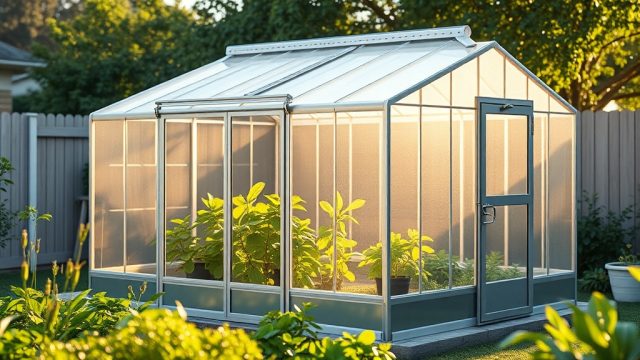
The Riverstone 6×8 Wooden Greenhouse, with its compact 48 square feet (4.5 m²) of growing space, demands precise water management. Overwatering leads to wood rot, fungal issues, and wasted resources—especially concerning in climates where water conservation matters. This article details a DIY rainwater collection system tailored for this specific greenhouse model, ensuring every drop counts while maintaining the structural integrity of the treated pine frame.
Integrating a rainwater collection system reduces your reliance on municipal supply, lowers utility bills, and provides plants with naturally soft, chlorine-free water. For a structure that measures 1.8 m × 2.4 m, capturing runoff from the polycarbonate roof can yield upwards of 200 litres during a moderate 20 mm rainfall. This makes the Riverstone 6×8 an ideal candidate for self-sufficiency in watering.
What Are the Key Dimensions and Roof Runoff Potential for Rainwater Harvesting?
Understanding the catchment area is the first step. The Riverstone 6×8 features a gabled roof with a pitch providing effective drainage. The roof footprint measures approximately 1.8 m (width) × 2.5 m (length) including eaves, totalling about 4.5 m² of collection surface. Using the standard calculation (1 mm rain × 1 m² = 1 litre), a 20 mm rain event yields roughly 90 litres from this roof alone.
| Parameter | Value | Notes |
|---|---|---|
| Greenhouse floor area | 4.5 m² (48 sq ft) | Clear growing footprint |
| Roof catchment area | ~4.5 m² (48 sq ft) | Including gutters |
| Runoff per 10 mm rain | ~45 litres (11.9 US gal) | Assume 90% collection efficiency |
| Recommended barrel size | 200–250 litres | Provides 5–7 days of moderate watering |
| Gutter type | Square-downpipe compatible | Standard PVC half-round |
This volume is sufficient to sustain a mixed planting of tomatoes, peppers, and leafy greens for several days without manual intervention. Pairing this with a shade system reduces evaporation, further stretching water supplies.
How Do You Select the Right Rain Barrel and Downpipe Kit for the Riverstone 6×8?
Choose a food-grade, opaque barrel (UV-resistant) to prevent algae growth. A 210-litre (55 US gal) blue recycling barrel works well, but a decorative wooden or resin model blends better with the greenhouse’s aesthetic. The barrel must include a debris screen at the top inlet and an overflow outlet plumbed away from the foundation.
The downpipe connection requires a standard 70 mm (2.75 inch) round downpipe diverter kit, available at local hardware stores for around £25–£35. Ensure the diverter has a fine mesh filter to keep leaves and insects out. Install it on the gutter downpipe closest to the greenhouse door—ideally on the eastern or western side to avoid full afternoon sun exposure on the barrel.
- Key components list:
- 200–250 litre barrel with threaded lid
- Downpipe diverter with 1.5 m flexible hose
- Brass spigot (faucet) at barrel base
- Soaker hose or drip irrigation tubing (6 mm diameter)
- Hose connector adapter for spigot-to-tubing
- Overflow pipe (20 mm PVC) directed to a rain garden or drainage area
Total investment: approximately £60–£90 for a complete DIY setup. Compare that to annual water savings of £20–£30 in many UK regions—the system pays for itself in 2–3 seasons.
How Is the Gutter System Installed on the Riverstone 6×8 Wooden Greenhouse?
Most Riverstone 6×8 kits include basic guttering supplies—usually two 1.8 m lengths of PVC half-round gutter and downpipe brackets. If not, purchase a standard plastic gutter kit (about £15–£20). Attach gutter brackets to the greenhouse roof beam using stainless steel screws (pre-drill to avoid splitting the wood).
Ensure a slight pitch (1:200, or 5 mm per metre) toward the downpipe outlet. For a 2.5 m long roof, this means raising the far end by about 12 mm. Cut the gutter with a fine-tooth saw, fit the end caps, and connect to the downpipe using a 90° elbow. Seal all joints with silicone caulk to prevent leaks.
The downpipe should run vertically down the side of the greenhouse and connect to the diverter. Position the diverter so that the barrel sits on a level, firm base (paving slabs work best) directly beneath it. The barrel’s inlet should be at least 100 mm above the diverter outlet to allow gravity flow. For enhanced water quality, install a first-flush diverter that discards the initial 2 litres of dirty runoff.
Which Irrigation System Works Best with the Rainwater Collection Setup?
Gravity-fed drip irrigation is the most efficient method for this compact greenhouse. Connect a soaker hose or 6 mm drip line from the barrel spigot to the base of each plant. Use a Y connector with a ball valve to regulate flow. For precise control, add a battery-operated timer (£25–£40) that opens the valve at set intervals.
Alternatively, install a small 12V submersible pump (about £30) inside the barrel connected to a timer. This raises the pressure to enable misting heads for seedlings or net pots for propagation trays. The Riverstone 6×8’s low height (about 2.1 m at ridge) means even a modest pump provides adequate pressure for overhead watering.
- System type options:
- Gravity drip: 0.5–1 L/hr per emitter, no electricity needed
- Pumped drip: 2–4 L/hr, uses 12V battery or solar panel
- Soaker hose: 5–10 L/hr per 5 m, even distribution
Keep the barrel elevated on a 30 cm (12 inch) sturdy platform to improve gravitational pressure. For a greenhouse that already uses ventilation fans to control humidity, the drip system reduces leaf wetness, minimising disease risk.
What Are the Maintenance Requirements for the Rainwater Collection System?
Seasonal maintenance ensures the system functions optimally and the wood frame remains dry. In autumn, remove autumn leaves from gutters and the diverter screen. Clean the barrel interior annually (spring) using a mild bleach solution (1:10 ratio) to kill algae and bacteria. Rinse thoroughly before refilling.
During winter, if temperatures drop below freezing, drain the barrel completely and disconnect the downpipe diverter. Stagnant water in the barrel can crack it when frozen. Store the barrel indoors or upside down. The greenhouse’s wood preservation checklist should also include checking the mounting brackets for corrosion.
What Do Owners Say About the Rainwater System Integration?
Many Riverstone 6×8 owners praise the simplicity of adding a rainwater collection system. One enthusiast in Devon reported: “After installing a 210-litre barrel, I only used tap water twice in a three-month growing season. The water is soft, and my basil plants thrive without the chlorine yellowing the leaves.” Another owner from Dorset noted that pairing the system with bench and planter combos allowed efficient placement of drip lines exactly where needed.
However, some users caution about the gutter quality. “The plastic gutter brackets that came with my kit snapped after one winter. I replaced them with stainless steel ones for about £8,” wrote one reviewer on a gardening forum. Others recommend painting the barrel white to reduce heat absorption, keeping water temperature below 25°C for optimal plant uptake.
Frequently Asked Questions
Can I use the rainwater system with a mains backup?
Yes. Install a float valve in the barrel connected to a mains water line. When the barrel runs low, the valve opens to refill it automatically, ensuring you never run out during dry spells.
How do I prevent mosquitoes in the barrel?
Cover the barrel with a fine mesh screen (0.5 mm aperture) at the inlet. Add a few drops of vegetable oil to the water surface—this suffocates mosquito larvae without harming plants.
Does the rainwater system void the greenhouse warranty?
No, provided you follow the manufacturer’s mounting instructions. Use pre-drilled holes and stainless steel fasteners. Do not drill into load-bearing beams.
What water pressure can I expect from a gravity-fed system?
With the barrel elevated 30 cm, you get approximately 0.03 bar (0.5 psi). This is sufficient for soaker hoses and low-flow drip emitters (0.5–1 L/hr). For misters, use a pump.
How do I clean the downpipe filter?
Remove the diverter cap every 2–4 weeks during heavy leaf fall. Rinse the mesh under a hose. Replace the cap tightly. For stubborn debris, soak in white vinegar for 30 minutes.
Can I expand the system for larger watering needs?
Yes. Connect multiple barrels in series using a 20 mm hose at the overflow outlet. Place them side by side on a flat base. This expands capacity to 500 litres or more.
For further customisation of your Riverstone 6×8, consider DIY shelving plans to optimise vertical space, or heating solutions for early spring planting. Each upgrade enhances the greenhouse’s efficiency without compromising its compact footprint.