Why Choose the Riverstone 6×8 Wooden Greenhouse for Space-Saving Shelving and Benching?
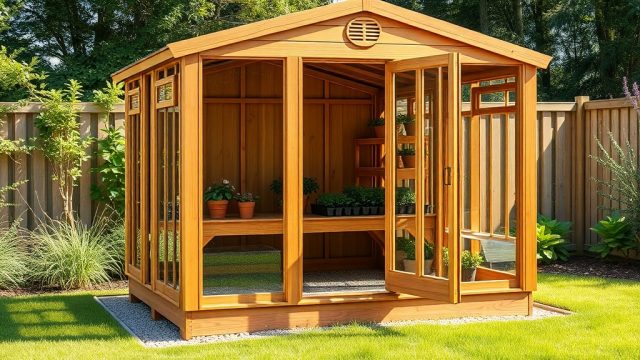
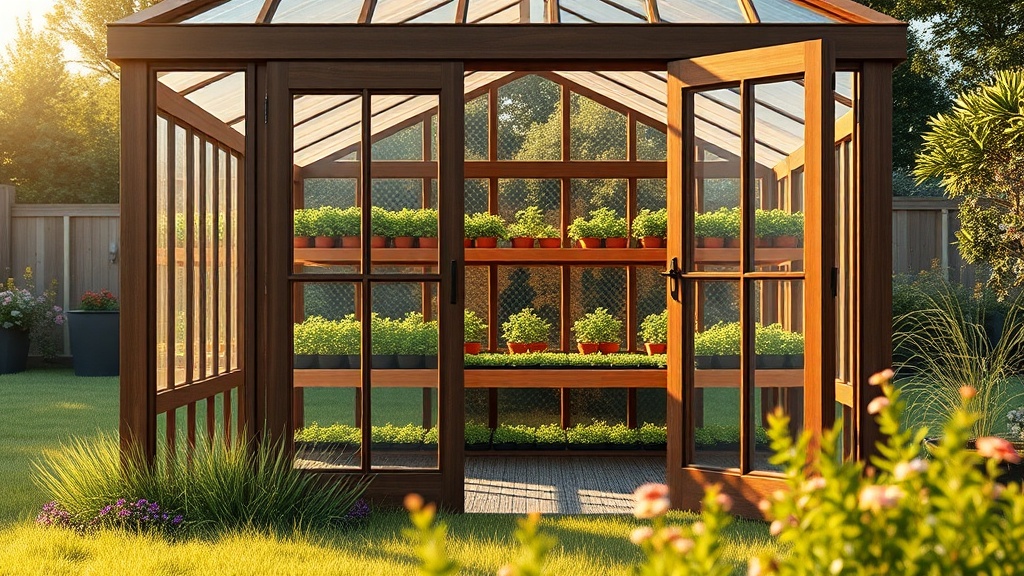
The Riverstone 6×8 Wooden Greenhouse offers a compact 48 square feet of growing space, making efficient use of every square inch essential. This structure, crafted from pressure-treated timber, measures approximately 1.8m x 2.4m externally, providing just enough room for dedicated propagation and potting areas without feeling cramped. Integrating smart shelving and benching solutions is the key to transforming this modest footprint into a productive gardening hub. Whether you are starting seeds or overwintering tender perennials, a well-planned layout can double your usable surface area. Below, we explore the best bench and planter combo ideas specifically tailored for the Riverstone 6×8 model.
What Are the Standard Interior Dimensions and How Do They Affect Benching Choices?
Before purchasing any shelving or benching, you must measure the interior clearances of your Riverstone 6×8. The standard interior width is approximately 1.68m, with a ridge height of around 2.1m and eaves height of about 1.35m. The doorway opening is typically 1.6m tall by 0.65m wide. These dimensions dictate that you cannot use standard 0.6m deep benches on both sides if you want a central path. A common setup involves a 0.6m deep bench along one long side and a narrower 0.3m deep shelf along the opposite wall. Alternatively, a single 0.9m deep central bench can maximize workspace but limits plant storage underneath. We recommend leaving a minimum of 0.45m clear walking space for comfortable access, so plan your bench depth accordingly.
How Can a Tiered Bench System Maximize Vertical Space Without Sacrificing Floor Area?
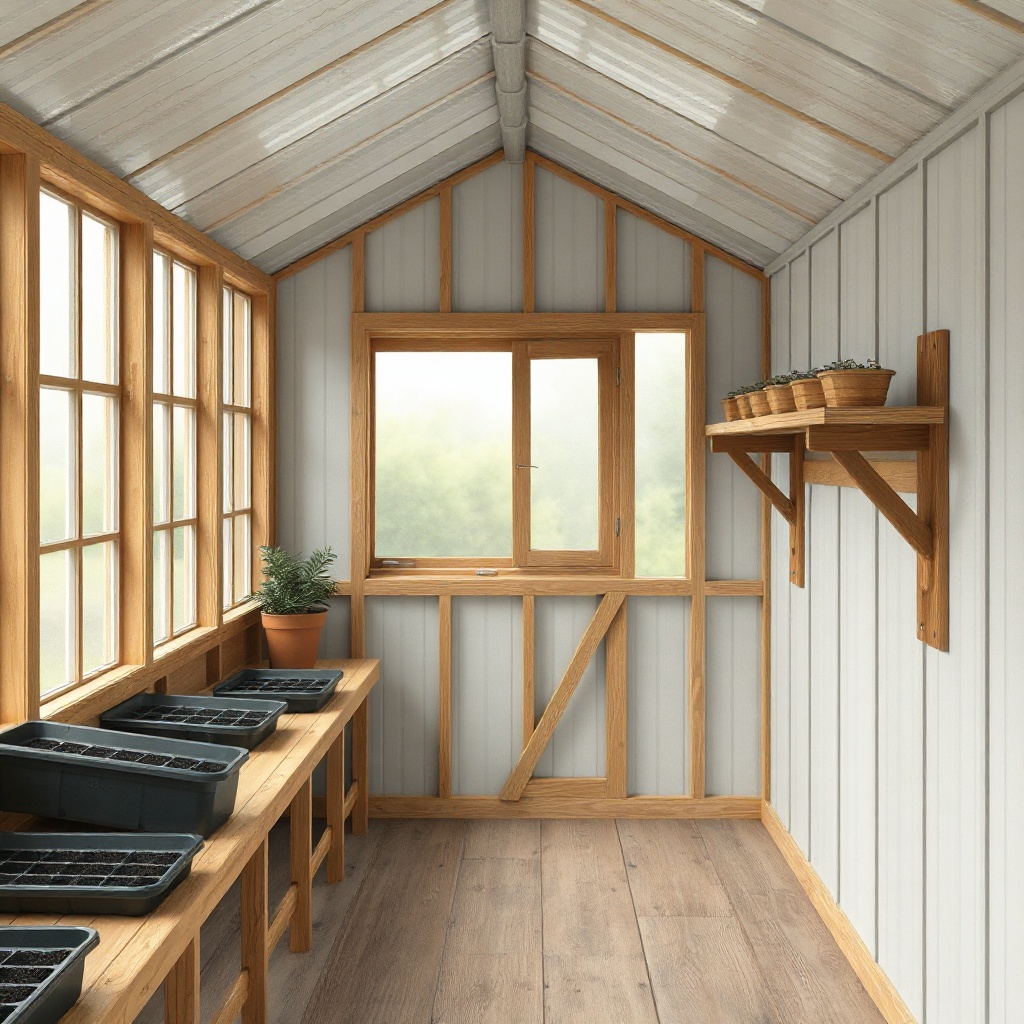
Tiered benching is the most effective method to increase usable surface area in a 6×8 greenhouse. A three-tier system, with shelves at 0.3m, 0.6m, and 0.9m above the floor, can nearly triple your bench space. For the Riverstone 6×8, a custom-built wooden tiered bench along the entire 1.8m back wall works exceptionally well. Use pressure-treated 2×4 lumber for the frame and 12mm exterior-grade plywood for the shelves. Ensure the top tier sits below the eaves (max 1.2m high) so light reaches lower plants. A typical three-tier back bench can hold up to 40 standard 54-cell plug trays. For optimal drainage, slope the shelves slightly (about 2 degrees) and add a capillary matting system. This configuration does not block ventilation airflow if you keep a 50mm gap between the bench and the greenhouse wall.
| Benching Type | Dimensions (L x D x H) | Estimated Cost (GBP) | Typical Plant Capacity |
|---|---|---|---|
| Single 1-tier (side) | 1.6m x 0.6m x 0.8m | £45-£65 | 12-15 medium pots |
| Two-tier (back wall) | 1.8m x 0.4m x 1.0m | £70-£95 | 30-40 seed trays |
| Three-tier (back wall) | 1.8m x 0.35m x 1.2m | £100-£140 | 45-55 seed trays |
| Narrow shelf (opposite side) | 1.6m x 0.2m x 1.1m | £30-£45 | 8-12 small pots |
What Are the Best Planter Bench Combos for Seed Starting and Overwintering?
For a compact 6×8 space, multi-purpose benches that combine a solid top with a built-in planter pot holder or tray are ideal. One effective combo is a 0.6m deep bench with a raised, removable front lip that holds a 40cm wide seed tray, while the lower shelf stores pots and compost bags. For overwintering tender plants, consider a bench with slatted sides and a waterproof liner—this creates a dry microclimate without trapping moisture against the greenhouse glazing. Another popular design for the Riverstone 6×8 is the “propagation bench”: a 0.6m high table with a 2cm deep sand tray topped with heated cables. Place this along the sunniest side (south-facing) and use the opposite wall for a narrow shelf holding small pots or growing bags. You can find detailed advice on preparing the base for such heavy combos in our guide on Riverstone 6×8 Wooden Greenhouse: Ground Preparation Tips for First-Time Builders.
How Do You Build a Fold-Down or Hinged Bench to Save Space?
When floor space is at a premium, a fold-down bench is a clever addition. Install a 1.2m long by 0.4m deep hinged wooden shelf on the wall opposite the door. Use heavy-duty 75mm galvanised hinges and a support chain rated for 25kg. When not needed, the bench folds flush against the wall, freeing up the floor for wheelbarrows or large pots. For the Riverstone 6×8, we recommend positioning this folding bench about 0.7m above the floor—comfortable for standing work. The top surface can be made from 18mm marine-grade plywood sealed with linseed oil. Attach a removable wooden lip along the front edge to prevent pots sliding off. This design is particularly useful during autumn for temporary storage of bulbs or cyclamen. Remember to install a locking latch for when the bench is folded up.
Which Materials Work Best for Shelving in a Riverstone 6×8 Greenhouse?
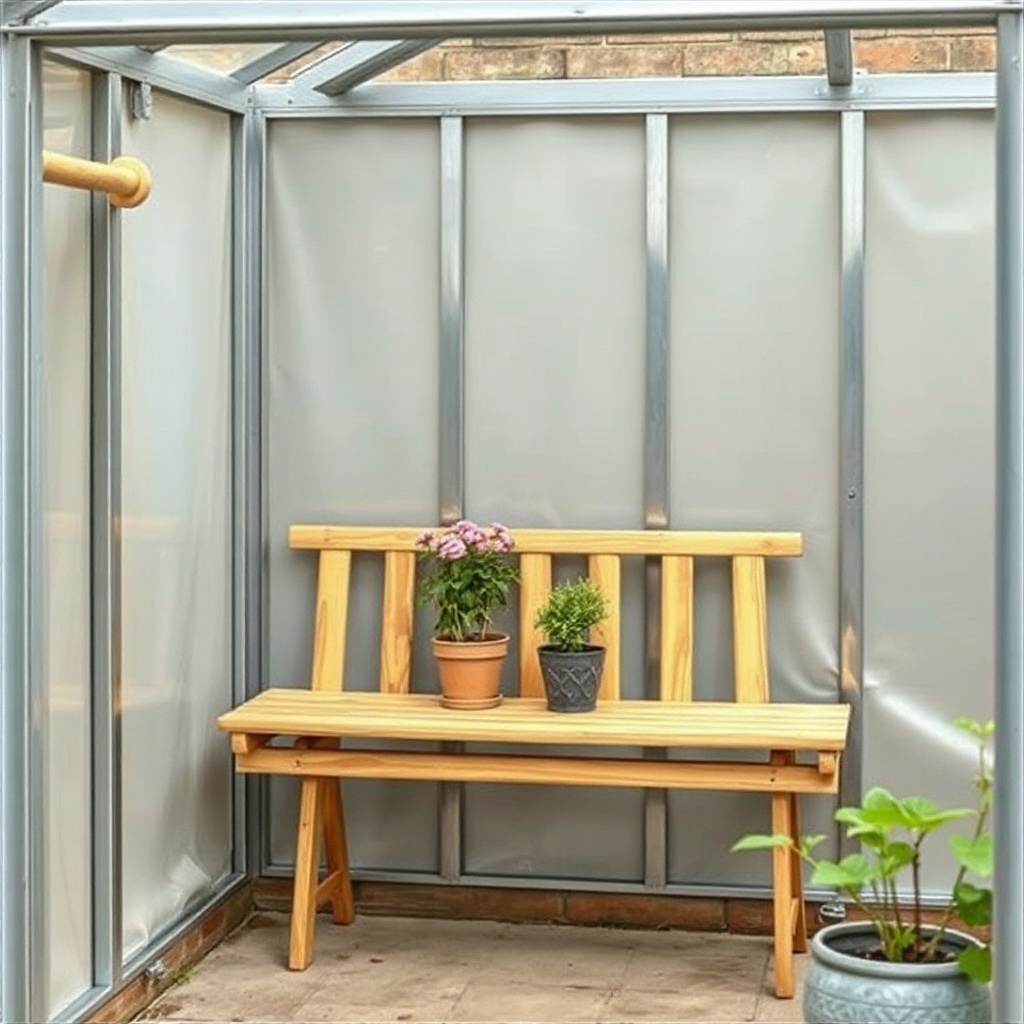
Durability against humidity and temperature fluctuations is critical. For the Riverstone 6×8, pressure-treated softwood (pine or spruce) is the most cost-effective choice, with a lifespan of 5-8 years if oiled annually. Alternatively, cedar or redwood naturally resists rot but costs 2-3 times more. Aluminium shelving is lightweight, does not warp, and is rust-proof, but it can be cold in winter and hot in summer. A hybrid approach works well: use a wooden frame with galvanised steel mesh shelving. The mesh allows excellent airflow and water drainage, reducing mould risk. For the benching surface, 12mm exterior-grade plywood sealed with three coats of yacht varnish offers a smooth, clean surface that lasts 3-4 seasons. Polycarbonate sheets (6mm thick) are another option—lightweight, impact-resistant, and easy to wipe clean, though they can scratch over time. Avoid untreated particleboard as it will delaminate rapidly.
What Do Owners Say About Benching Configurations in the Riverstone 6×8?
Experienced owners of the Riverstone 6×8 frequently highlight the importance of custom benching over pre-made kits. Many report that a single 0.6m deep bench along one side, paired with a 0.3m deep shelf on the opposite wall, provides adequate space for 25-30 tomato plants in 20L pots. Others note that installing a broad central bench (0.9m deep) allows for a dedicated work area but leaves cramped access; they recommend this only if you intend to use the greenhouse primarily for seed starting rather than full-season tomato growing. Several owners use the Riverstone 6×8 Wooden Greenhouse: Best Winterizing Tips for Cold Climates in tandem with heated benches to overwinter citrus trees and fuchsias successfully. A common modification is adding a second tier of shelving above the door at a 1.5m height to store small pots and labels. Overall, owners recommend budgeting at least £100-£180 for quality wooden benches and shelves that match the greenhouse’s aesthetic.
Frequently Asked Questions
1. How much weight can a wooden bench inside this greenhouse support?
A well-built pressure-treated wooden bench with a 0.6m depth and 1.6m span, supported by 4×4 legs and a 2×4 frame, can safely hold up to 80-100kg uniformly distributed. This is enough for 10-12 large terracotta pots or about 40 standard seed trays. Always use galvanised screws and consider cross-bracing for extra stability.
2. Can I install automatic ventilation near the benching?
Yes, but ensure that automatic vents are positioned above head height and do not obstruct bench access. We recommend the Riverstone 6×8 Wooden Greenhouse: Automatic Ventilation System Review and Budget Options for reliable models. Mount the vent opener arm so it clears any shelves below by at least 150mm.
3. Should I use a solid bench or slatted bench?
Slatted benches are preferable for general use because they allow water drainage and air circulation, reducing fungal diseases. Solid benches are better for seed starting and doilies as they provide a flat, stable surface. Many owners build a slatted frame with a removable solid plywood top for flexibility.
4. How do I secure shelves to the greenhouse walls without damaging the structure?
Use polycarbonate-compatible screws with rubber gaskets when fastening into the greenhouse frame. For wooden frames, use 40mm stainless steel screws. Avoid drilling into the glazing panels. Alternatively, use freestanding metal shelving units that do not require wall attachment. For shade control, check our Riverstone 6×8 Wooden Greenhouse: How to Install an Automatic Shade System for Heat Control.
5. Can I use recycled wood for benching?
Yes, but ensure it is untreated and free from toxic chemicals. Hardwood pallet wood can work if sanded and sealed with a non-toxic outdoor wood preservative. Avoid treated railway sleepers or painted woods containing lead. Pressure-treated softwood from a timber merchant is safer and more predictable.
6. What is the best height for a bench in this greenhouse?
A standard working height of 0.8m to 0.9m is comfortable for most people. If you use a stool, 0.6m height is fine for seed trays. For shelves above, keep them between 0.3m and 1.2m high to allow light penetration and easy access. For humidity management, also read Riverstone 6×8 Wooden Greenhouse: Ventilation Tips for Humidity Control.