Why Does Humidity Control Matter in a Riverstone 6×8 Wooden Greenhouse?
A Riverstone 6×8 Wooden Greenhouse creates a sealed environment where warmth and moisture accumulate rapidly. Without deliberate ventilation, relative humidity can climb above 90% within an hour of watering, triggering fungal diseases like botrytis and powdery mildew. Good humidity control protects seedlings, prolongs structural timber life, and prevents condensation from dripping onto leaves. The 6×8 footprint, while manageable, needs a deliberate approach to air exchange because the wooden frame and single-wall glazing amplify moisture retention compared to polycarbonate models. Proper ventilation balances temperature swings and keeps humidity between 50% and 70%—the ideal range for most vegetables and ornamentals grown in this sized greenhouse.
How Much Natural Ventilation Does the Riverstone 6×8 Wooden Greenhouse Provide Out of the Box?
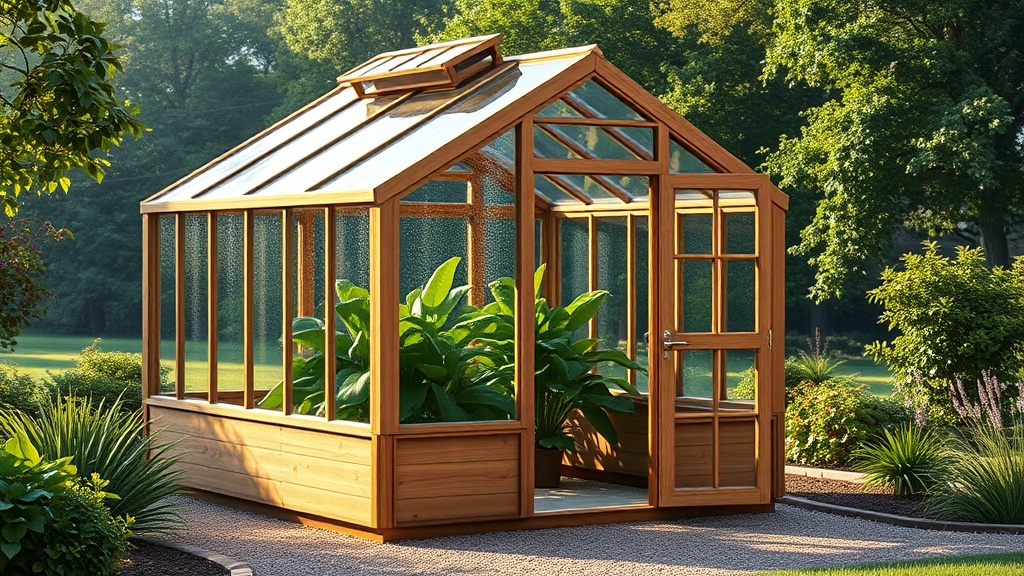
The stock Riverstone 6×8 arrives with one roof vent and a louvered side window, which together offer about 8 to 10 square feet of opening area. In still summer air, that volume is insufficient for consistent humidity reduction. The roof vent allows hot, moist air to escape via the stack effect, while the side louver creates cross‑flow only when wind aligns. During peak growing season, owners often report humidity readings above 80% by midday even with both vents open. The greenhouse’s volume is roughly 320 cubic feet, and standard ventilation theory recommends at least 15% of the floor area in openable vent space for effective moisture control. That means you need roughly 7.2 square feet of vent area—but for humidity reduction in humid climates, double that figure is safer. The stock openings barely meet the lower threshold.
For comparison, here are the ventilation specs of the Riverstone 6×8 against a typical 6×8 polycarbonate budget model:
| Feature | Riverstone 6×8 Wooden | Budget 6×8 Polycarbonate |
|---|---|---|
| Roof vent area | 4.5 sq ft (single) | 3.0 sq ft (single) |
| Side vent area | 4.0 sq ft (louvered) | 2.5 sq ft (sliding) |
| Total fixed ventilation | 8.5 sq ft | 5.5 sq ft |
| Recommended additional vent area (for humidity control) | 6–10 sq ft | 8–12 sq ft |
| Ease of adding automatic openers | High (wooden frame supports struts) | Moderate (needs reinforcement) |
| Typical midday humidity (both vents open, 80°F outside) | 78–85% | 82–90% |
As the table shows, the wooden greenhouse starts with better base ventilation than a similarly priced polycarbonate unit, but still needs augmentation during humid months. Adding an automatic louvre system or a second roof vent is advisable—and the wooden frame makes attachment straightforward.
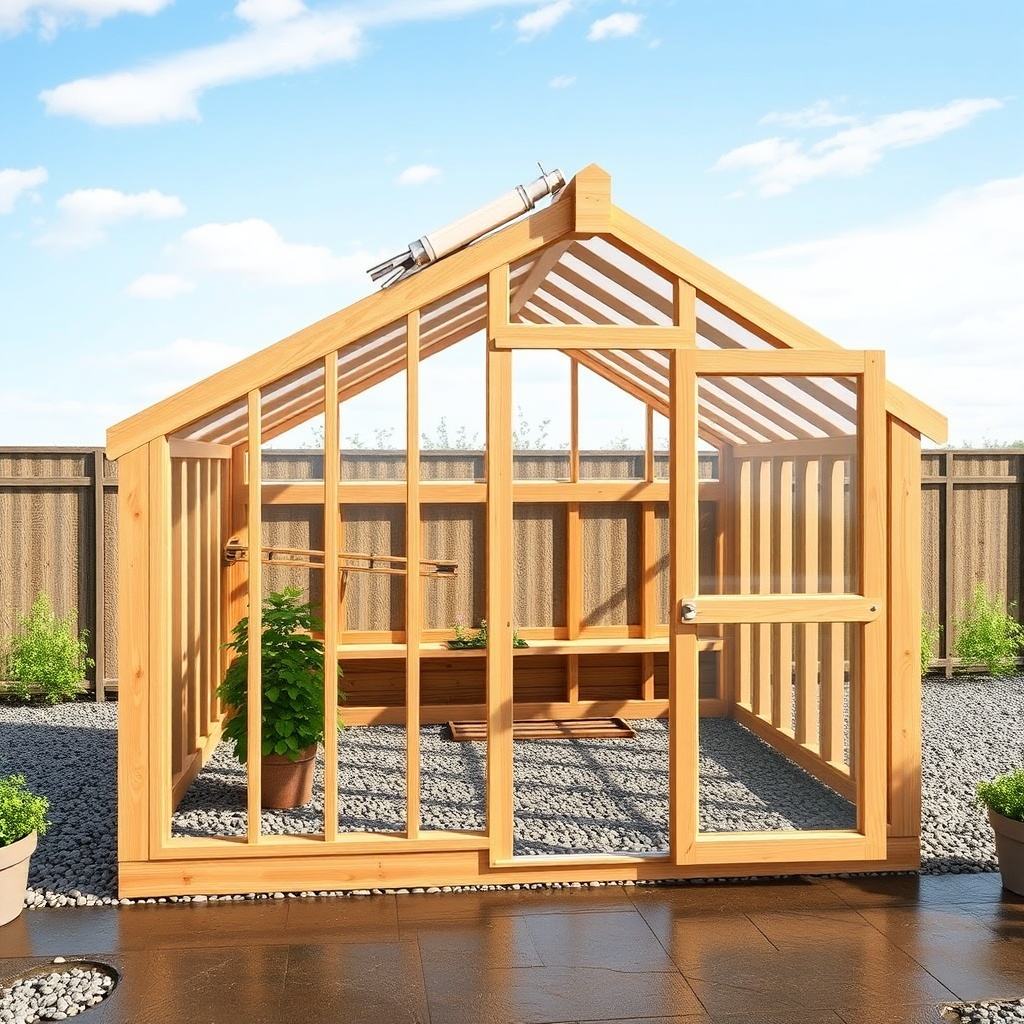
What Is the Best Way to Add Passive Vent Openings Without Cutting the Frame?
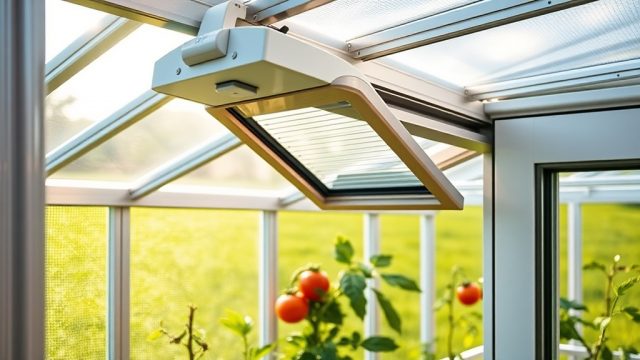
Adding permanent holes to a wooden greenhouse frame can compromise structural integrity and invite rot. Instead, focus on three non‑invasive upgrades that increase passive airflow. First, fit an automatic roof vent opener (a solar‑powered cylinder) to the existing roof vent—this lets the vent open wider and earlier in the morning, catching the cool, low‑humidity air before the day heats up. Second, install a louvered panel at the base of the back wall, near ground level. This creates a low‑pressure intake that feeds the roof outlet, known as the chimney effect. Since the Riverstone 6×8 has a pressure‑treated timber base, you can mount a 12‑inch x 6‑inch louver without cutting into the main framing. Third, replace the stock side window glazing with a hinged vent that opens outward. Many owners swap the fixed glass for a 3‑mm acrylic panel on gas springs, which adds another 2 square feet of opening. These changes require no structural modification—only screw‑on brackets and weather seals.
Costs for these upgrades range from £30 for a basic solar actuator to £120 for a full side‑vent conversion kit. Combined, they bring total vent area to about 14 square feet, sufficient for humidity control even in UK summer conditions. For a step‑by‑step guide on integrating openers with your watering schedule, see our review of automatic ventilation systems for this model.
Should You Run an Extractor Fan for Active Humidity Removal?
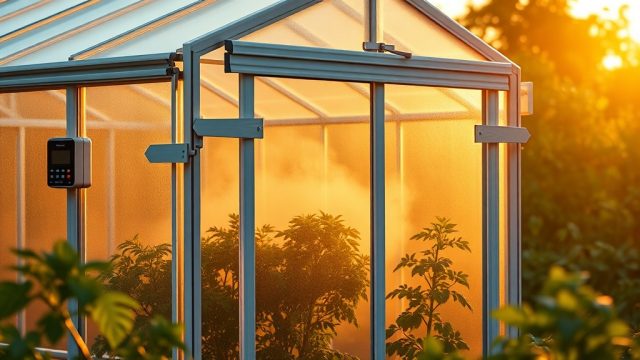
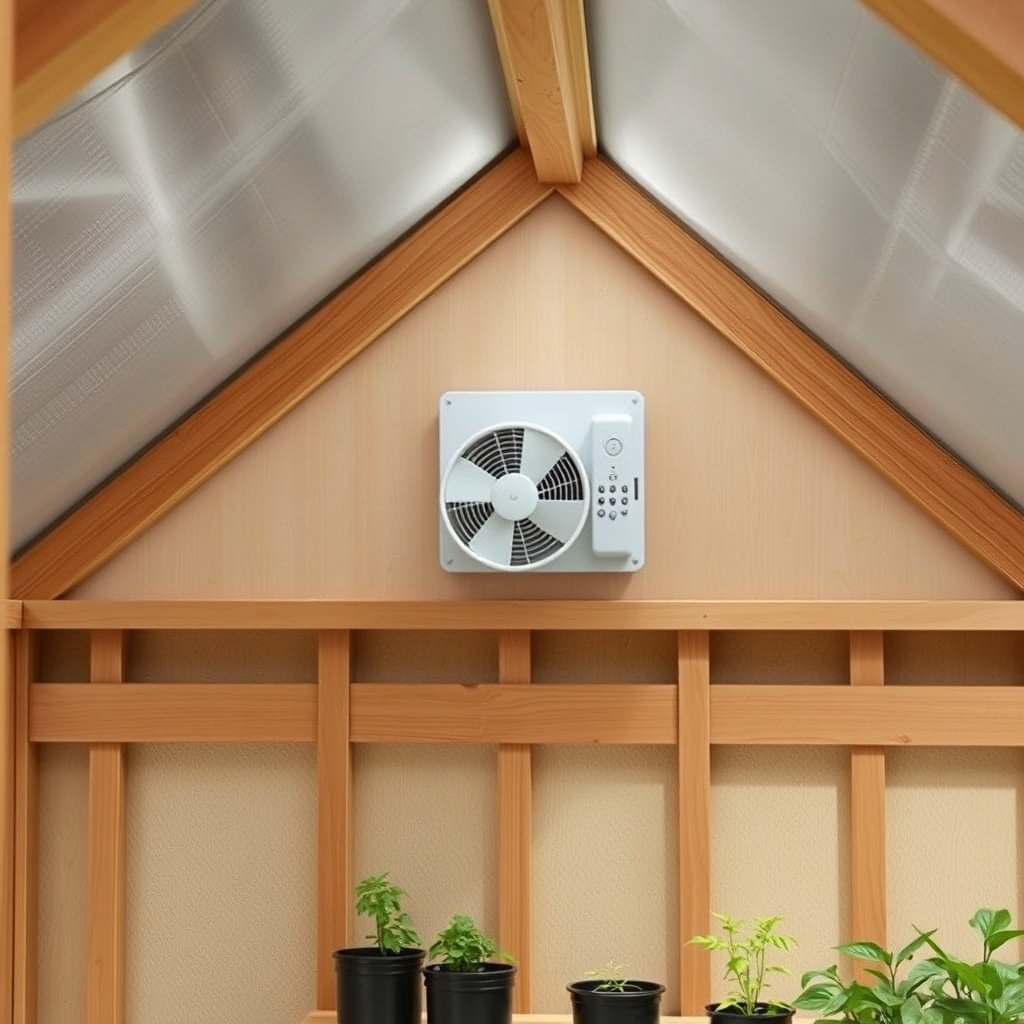
Passive vents work during breezy days and moderate temperatures, but during still, humid spells in July and August, an extractor fan becomes the most reliable tool. A 4‑inch inline fan, rated at about 100 cubic feet per minute (CFM), can exchange the entire greenhouse volume every three minutes—sufficient to drop humidity from 90% to 60% in under ten minutes. The Riverstone 6×8’s wooden construction makes mounting straightforward: you can cut a 4‑inch hole in the gable end or install a fan in the roof ridge. Choose a fan with a built‑in hygrostat (humidity controller) that activates at 70% RH. Alternatively, pair a standard fan with a separate humidity controller, available for around £25.
Running a fan does increase electricity costs: a 20‑watt fan operating four hours daily adds about £4 per year. For off‑grid use, solar‑powered fans with a battery buffer work well, but they need direct sun exposure on the panel. The wooden frame also allows you to install a fan in the roof vent opening itself—removing the stock glazing and mounting the fan on a plywood plate. This keeps the aesthetic clean and preserves the lower side vent for intake. For growers who also use automatic drip irrigation, combining fan cycles with irrigation timers prevents humidity spikes right after watering.
How Does Shading Affect Humidity and Ventilation Strategy?
Shading and ventilation work hand‑in‑hand. If you apply 40–50% shade fabric over the roof, you lower internal temperatures by 5–10°F, which reduces the air’s capacity to hold moisture. That might sound counterintuitive, but lower temperatures mean less evaporation from soil and leaves, so humidity builds more slowly. The result: your ventilation system has an easier time keeping RH under 75%. Fixed shading (paint or fabric) is fine, but adjustable shading—like external roller blinds or a retractable shade net—gives you flexibility on overcast days when humidity is high but light is low. On the Riverstone 6×8, you can attach shade brackets to the wooden eaves without drilling into the glazing. An automatic shade system that responds to temperature or light sensors will close the shade before the greenhouse overheats, preventing the humidity spike that follows rapid cooling.
Many owners overlook the relationship between shading and ventilation: if you shade too aggressively, you reduce transpiration and increase ambient humidity inside the space. The sweet spot for the Riverstone 6×8 is a 50% shade factor combined with a total ventilation area of at least 12 square feet. For detailed instructions on adding an automatic shade system, refer to our installation guide.
What Owners Say About Ventilation and Humidity in Their Riverstone 6×8
Feedback from greenhouse forums and owner reviews consistently highlights two points: the stock ventilation is adequate for spring and autumn, but insufficient for summer humidity control. One owner in Essex reported losing a full tray of tomato seedlings to botrytis in early July before adding a second roof vent and a fan. After those modifications, they said humidity dropped from “consistently 88%” to “manageable 65%” during the same period the following year. Another owner in Scotland noted that the side louver is poorly placed for prevailing winds, so they added a wind‑driven turbine vent on the roof—a method that cost £45 and required no cutting. A third review mentioned that adding a gravel floor (which drains quickly) reduced floor‑level humidity by 15% compared to the original earth base. For a comprehensive guide on preparing a low‑humidity base, see our ground preparation tips.
The most common DIY improvement among owners is fitting a solar‑powered automatic opener to the roof vent, with many reporting they saw condensation disappear from the glazing within two days. A handful of owners in particularly wet regions—such as Cornwall and the Lake District—have added a dehumidifier, but this is less common given the cost (around £150) and the need for a power supply inside the greenhouse. Overall, owners emphasize that the wooden frame makes modification easy: “You can screw anything into it” is a recurring phrase. For winter care, where humidity also plays a role in preventing mould on stored pots, see our winterizing guide.
Frequently Asked Questions
1. Can I rely solely on the single roof vent for humidity control?
No. The single roof vent provides about 4.5 square feet of opening, which is roughly half of what’s recommended for the 6×8 size. You will still see high humidity during summer and on still days. Adding a side louver, a second roof vent, or an extractor fan is strongly advised.
2. What is the best material for a fan installation in this wooden greenhouse?
Use a corrosion‑resistant inline fan with an IPX4 rating or higher. The wooden frame will hold screws securely, but ensure you seal the cut hole with exterior silicone to prevent moisture from wicking into the timber. A plastic or stainless‑steel fan housing lasts longer than painted steel in the humid environment.
3. Do I need a humidity controller, or can I run the fan manually?
Manual operation works if you are present and check conditions hourly, but a controller automates the process. A basic hygrostat costs £25–£40 and switches the fan at a set RH level. This prevents the fan from running unnecessarily, saving electricity and prolonging motor life.
4. How often should I clean vents and fans?
Clean vents and fans at least once a month during the growing season. Dust, pollen, and spider webs reduce airflow by 30–50% when allowed to accumulate. Use a soft brush and a damp cloth on the fan blades, and check that louver hinges open freely. The wooden frame may need a wipe‑down to prevent mould build‑up around vent openings.
5. Does the greenhouse’s location affect how much ventilation I need?
Yes. If the greenhouse sits in a low‑lying area with poor air movement, you will need more mechanical ventilation. A sheltered garden corner may require a fan or turbine, while an exposed hilltop can rely on passive vents most of the year. Measure humidity with a digital hygrometer during the first summer to determine your specific needs.
6. Can I use a misting system to cool the air and lower humidity?
Misting actually raises humidity in the short term, so it is not recommended for humidity control. For cooling without adding moisture, use shading, an extractor fan, or a combination of both. If you need to cool plants on hot days, consider a drip irrigation system at the root zone, which adds minimal moisture to the air.