Suncast 8×6 Tremont: Understanding the Automatic Drip Irrigation Setup
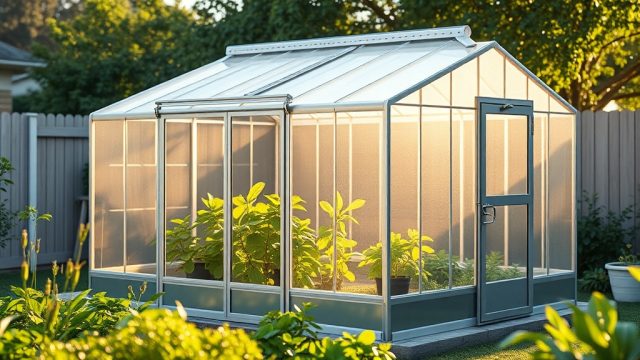
The Suncast 8×6 Tremont greenhouse, with its compact 48-square-foot footprint, is a popular choice for serious home growers who want a manageable yet productive growing space. One of the most effective upgrades for this model is the addition of an automatic drip irrigation system, which can dramatically reduce daily maintenance and improve plant health. This article outlines the practical setup process, cost considerations, and key benefits of automating watering in your Suncast 8×6 Tremont.
Why Install Automatic Drip Irrigation in a Suncast 8×6 Tremont?
Consistent watering is critical for greenhouse plants, especially during hot summer months or when you are away for extended periods. Manual watering often leads to overwatering or underwatering, which stresses plants and encourages disease. An automatic drip system delivers water directly to the root zone at a controlled rate, minimizing evaporation and runoff. In the Suncast 8×6 Tremont, where space is at a premium, a simple drip system can be installed without sacrificing growing area. This upgrade pairs well with proper ground preparation; ensure you read our guide on Suncast 8×6 Tremont: Ground Preparation Tips for Sloped Terrain to avoid drainage issues.
The primary benefit is labor savings—once set up, you can spend more time pruning and harvesting and less time dragging hoses. For the Suncast 8×6 Tremont, a basic system costs between £60 and £120 (approximately $75–$150 USD) for materials, depending on whether you choose a battery-operated timer or a mains-powered controller.
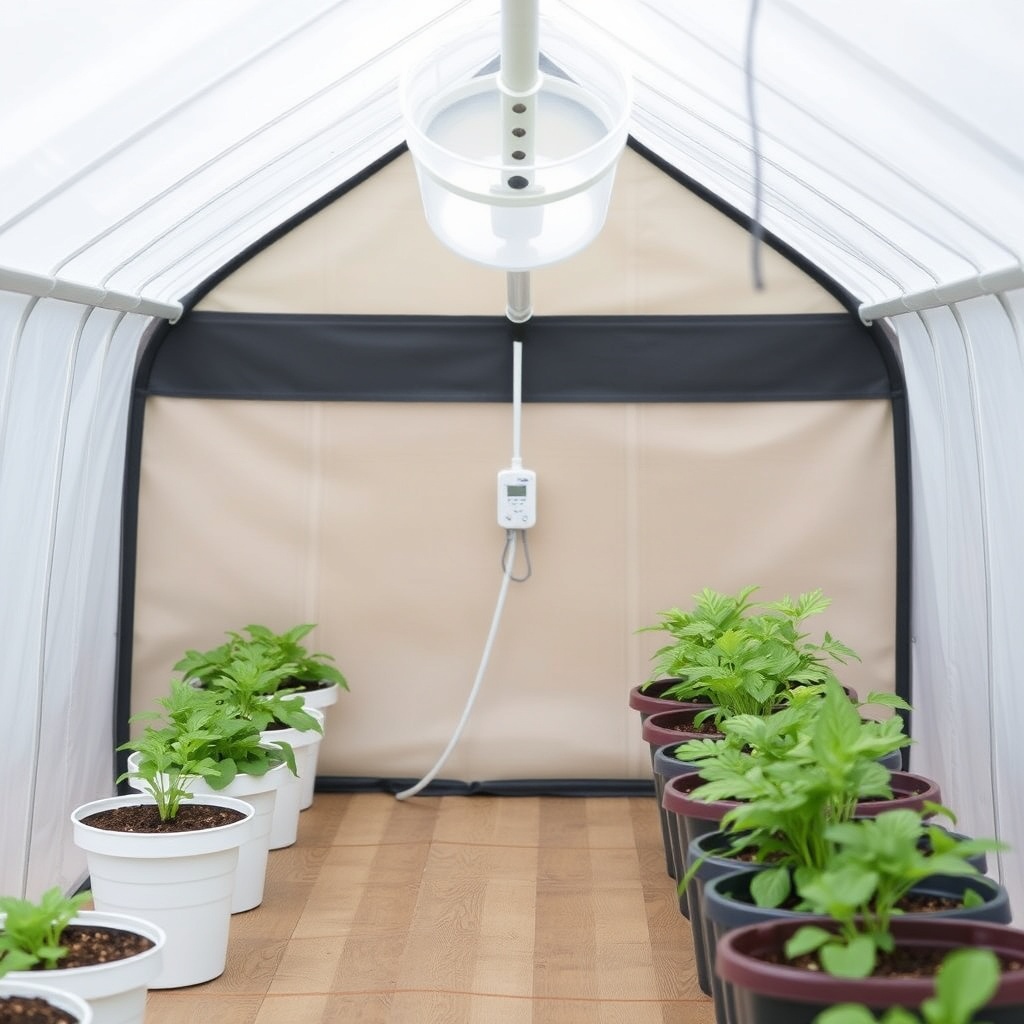
What Components Are Needed for the Drip Irrigation Setup?
A basic automatic drip irrigation system for the Suncast 8×6 Tremont requires the following components:
- Water source adapter: Connects to the garden tap (usually a 3/4-inch BSP thread in the UK).
- Timer/controller: Battery-operated (e.g., Gardena, Hozelock) or mains-powered (requires an outdoor weatherproof socket near the greenhouse).
- Main supply tubing: 13mm or 16mm (1/2-inch or 5/8-inch) polyethylene tubing runs along the greenhouse floor or under a bench.
- Drip emitters or dripper lines: Pressure-compensating emitters (2–4 L/hour) or inline drip tape for rows of plants.
- Fittings: Connectors, elbows, end caps, and a pressure reducer if water pressure exceeds 3 bar (recommended for most domestic systems).
- Filter: A fine mesh filter prevents debris from clogging emitters, essential if using rainwater barrels.
For the Suncast 8×6 Tremont, a typical layout involves running the main tubing along the back wall or under a bench, then branching off to each pot or tray. If you plan to use raised beds, consider installing a Suncast 8×6 Tremont: Installing Greenhouse Base Options for Stability first to ensure the floor is level and the base supports the tubing runs.
How to Plan the Drip Layout for Maximum Coverage
The Suncast 8×6 Tremont measures 8 feet (2.44 m) long by 6 feet (1.83 m) wide. A good layout uses two parallel lines of 13mm tubing, each running the full 8-foot length, spaced 2 feet apart. This covers the central growing area. For bench plants, you can route a single line along the bench and use micro-drip stakes for individual pots.
Here is a typical specification table for a drip system in this greenhouse:
| Parameter | Value |
|---|---|
| Greenhouse area | 48 sq ft (4.46 m²) |
| Number of plants (typical) | 20–30 in pots or 12–15 in raised beds |
| Main tubing length required | 18–20 feet (5.5–6 m) of 13mm tubing |
| Recommended emitter type | Pressure-compensating, 2 L/h per emitter |
| Total flow rate at 2 bar | ~60 L/h (with 30 emitters) |
| Timer runtime (summer) | 10–15 minutes per cycle, 1–2 times daily |
| Water pressure range | 1.5–3 bar (use pressure reducer if above 3 bar) |
Adjust the timer schedule based on crop type and season. For hot summer days, two short cycles (e.g., morning and evening) are better than one long cycle to reduce runoff.
What Are the Installation Steps for the Drip System?
Follow these steps for a clean installation inside the Suncast 8×6 Tremont:
- Prepare the water source: Attach the adapter to the garden tap nearest the greenhouse. Install the filter and pressure reducer before the timer.
- Mount the timer: Place the battery-operated timer inside the greenhouse near the door, or install a mains-powered timer near an outdoor socket. Ensure the control panel is accessible.
- Run the main tubing: Lay the 13mm tubing along the greenhouse floor, avoiding sharp bends. Secure with clips or pegs every 2 feet. If using a base, route tubing through gaps in the base panels.
- Install branch lines: Use T-connectors to create branch lines leading to each plant row or bench. For potted plants, use 4mm micro-tubing from the main line to each pot with a drip stake.
- Attach emitters: Insert pressure-compensating emitters directly into the main tubing or micro-tubing ends. For raised beds, use inline drip tape with built-in emitters spaced 12 inches apart.
- Test and adjust: Turn on the system manually to check for leaks and ensure each emitter delivers water. Adjust the timer for desired frequency and duration.
For stability, consider anchoring the tubing under the greenhouse base. Our article on Suncast 8×6 Tremont: Installing Greenhouse Base Options for Stability provides guidance on base types that allow for easy tubing routing.
What Benefits Does Automatic Drip Irrigation Provide for Plant Health?
Automatic drip irrigation directly supports healthier plants in the Suncast 8×6 Tremont by:
- Reducing foliar diseases: Water is delivered to the soil, not the leaves, lowering the risk of mildew and blight.
- Conserving water: Drip systems use 30–50% less water than overhead watering, critical if you rely on collected rainwater.
- Improving root development: Consistent moisture encourages deep root growth, making plants more resilient to temperature fluctuations.
- Enabling efficient fertilizing: You can add a fertigation injector to feed plants with each watering cycle, reducing labor.
For early spring crops, combining drip irrigation with effective heating ensures young seedlings receive adequate moisture without cold shock. Read about Suncast 8×6 Tremont: Heating Solutions for Early Spring Planting to optimize your greenhouse environment.
What Owners Say About Drip Irrigation in Their Suncast 8×6 Tremont
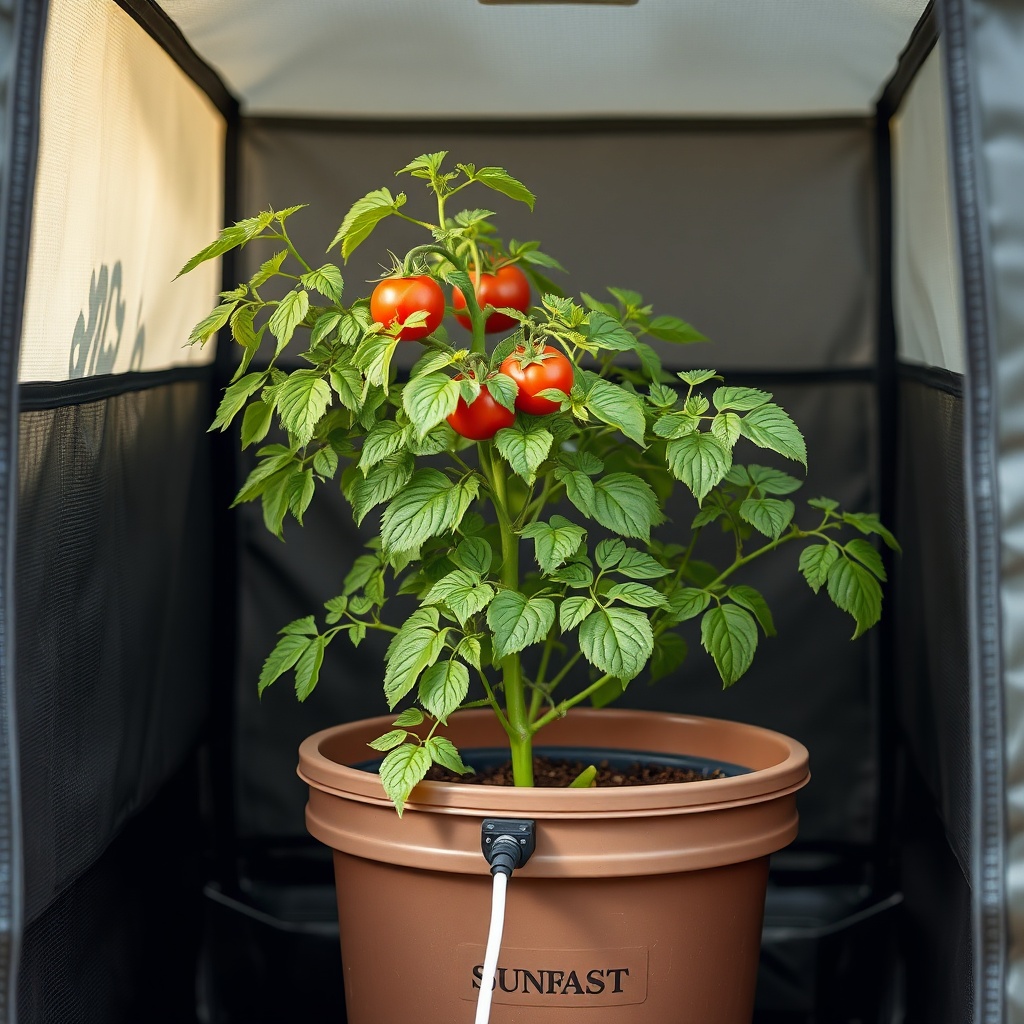
Suncast 8×6 Tremont owners on gardening forums and review sites frequently report that adding automatic drip irrigation transformed their gardening experience. One owner from Devon noted: “I used to water manually twice a day in summer, which was exhausting. Now with a simple timed system, my tomatoes have never been better, and I can go away for a weekend without worrying.”
Another user emphasized the importance of a filter: “I tried without a filter initially, but the emitters clogged from sediment in my water butt. After installing a 150-micron filter, it’s been flawless.” Owners also recommend choosing a timer with a rain delay feature to avoid overwatering during rainy periods. The system is particularly beneficial when used with shelves for seed starting; see Suncast 8×6 Tremont: Beginner’s Guide to Seed Starting Shelves for optimal positioning of drip lines on shelves.
Frequently Asked Questions
1. Can I install drip irrigation without a permanent water supply?
Yes, you can use a gravity-fed system from a rain barrel placed at least 3 feet above the greenhouse floor. Use a low-pressure dripper kit designed for gravity feed (1–2 L/h emitters). Ensure the barrel has a fine mesh filter.
2. How long does a typical drip run need to be in the Suncast 8×6 Tremont?
For most crops, a 10- to 15-minute run time once or twice daily is sufficient. Check soil moisture after 10 minutes—the top 2–3 inches should be moist. Adjust based on weather and plant stage.
3. Do I need a pressure reducer for the drip system?
If your home water pressure exceeds 3 bar (43 psi), yes. Most domestic supplies are 2–4 bar. A pressure reducer set to 1.5–2 bar is recommended for consistent emitter output and to prevent tubing bursts.
4. Can I use the same drip line for different crops with varying water needs?
Yes, use adjustable drip emitters (e.g., 0–20 L/h) on individual lines. Label each line or group. For instance, give tomatoes 4 L/h per plant and lettuce 2 L/h per plant. Do not mix high- and low-flow emitters on the same line without a pressure-compensating system.
5. How do I winterize the drip system inside the Suncast 8×6 Tremont?
Drain all water from tubing, emitters, and the timer. Disconnect the timer and store it indoors. If the greenhouse is heated in winter, you may leave the system operational but reduce frequency. Flush the system with a mild bleach solution before storage to prevent algae growth.
6. Does a drip system affect the greenhouse’s ability to heat in spring?
No, drip irrigation does not raise humidity significantly compared to overhead watering, so it does not hinder heating. In fact, moist soil retains heat better, providing slight thermal mass. For more on early spring warmth, see Suncast 8×6 Tremont: Heating Solutions for Early Spring Planting.