
Suncast 8×6 Tremont Maintenance: Cleaning and Care for Resin Panels
Keeping your Suncast 8×6 Tremont greenhouse in top shape doesn’t require a chemistry degree. The resin panels and frame resist rust and rot, but they still need regular cleaning to stay clear and functional. This guide covers practical care for the Tremont’s specific materials, from wiping down the polycarbonate glazing to preventing residue buildup on the resin frame.
How Often Should You Clean the Resin Panels on the Suncast 8×6 Tremont?
For most climates, a full clean every three to four months keeps the Suncast 8×6 Tremont looking good and transmitting maximum light. If you live near a busy road or under dusty conditions, bump that to every six to eight weeks. Algae and moss thrive on damp resin, especially in shaded corners, so check the lower panels after heavy rain. A quick rinse with the hose between deep cleans prevents debris from scratching the surface over time.
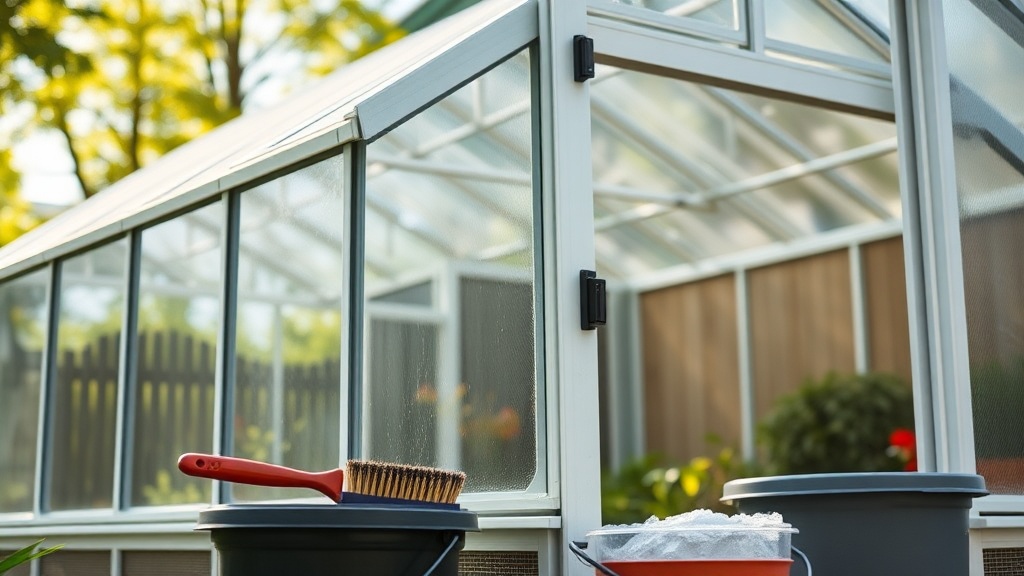
Start by removing loose dirt with a soft brush or microfiber cloth. Avoid abrasive sponges that can haze the polycarbonate. For the resin frame, a simple mixture of warm water and mild dish soap works wonders—just don’t use bleach or ammonia, which can yellow the panels. Rinse thoroughly with a gentle spray nozzle to avoid forcing water into the extrusion channels. If you notice stubborn spots, a dedicated plastic cleaner formulated for polycarbonate is safe when diluted per instructions.
What Cleaning Products Are Safe for Suncast 8×6 Tremont Polycarbonate?
The Suncast 8×6 Tremont’s glazing is twin-wall polycarbonate, a material that’s tough but sensitive to harsh chemicals. Stick to pH-neutral cleaners—anything with a pH between 6 and 8 is fine. A common kitchen mix of one cup white vinegar to a gallon of water cuts through mineral deposits without damaging the UV coating. Avoid any product with acetone, isopropyl alcohol (over 10% concentration), or petroleum-based solvents, as these can craze the plastic.
For the resin frame, a car-wash-style soap (like Meguiar’s Gold Class) mixed per label directions works well. Test any new cleaner on an inconspicuous bottom corner before going full splash. If you use a pressure washer, keep the nozzle at least 18 inches away and use a wide fan setting at under 1,200 PSI—direct blast can lift the panel seals. Always rinse thoroughly to leave no soap residue, which attracts pollen in warm months.
For an annual deep clean, consider a specialized polycarbonate cleaner, like Prosoco’s Sure Klean 600 (though more for commercial greenhouses). For home use, a bucket of warm water with a tablespoon of Dawn dish soap per gallon is perfectly adequate and costs less than $1 per batch.
How Do You Remove Algae and Moss from Suncast 8×6 Tremont Panels?
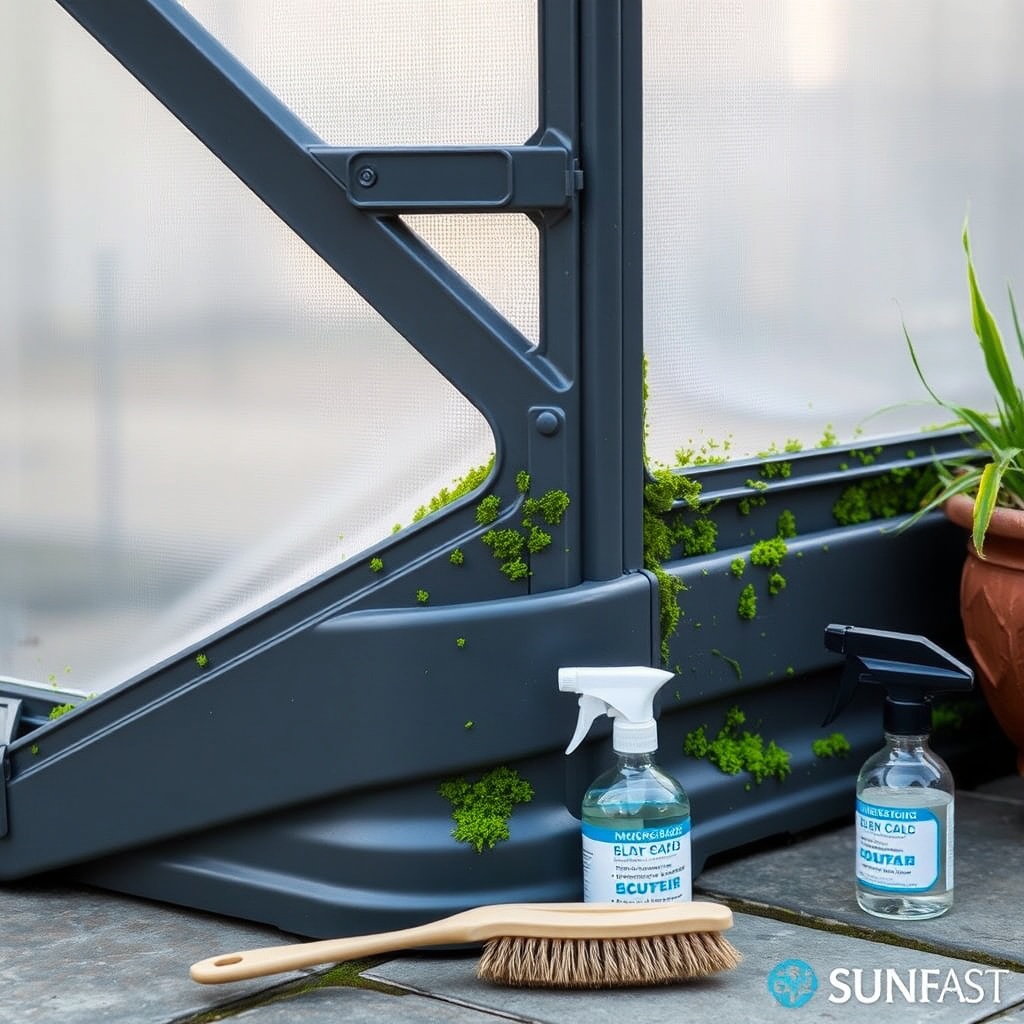
Algae and moss are a common nuisance on the Suncast 8×6 Tremont’s lower panels, especially if the greenhouse sits in partial shade or near a water source. Start with a soft brush and a solution of one part hydrogen peroxide (3%) to three parts water—this kills spores without harming the resin. Let it sit for five minutes, then scrub gently with a non-abrasive pad (like a Scotch-Brite heavy-duty sponge, but not the green scouring side).
For deep moss buildup on the frame corners, use a plastic putty knife to gently scrape off the thick growth before cleaning. A mild sporicide like Wet & Forget (diluted per label) can be sprayed on quarterly and is safe for polycarbonate and resin, according to the manufacturer. Avoid copper-based algaecides; they stain resin an ugly bluish-green. A garden hose with a spray nozzle typically removes all residue after scrubbing. If you have Suncast 8×6 Tremont Glazing: How Durable Are the Polycarbonate Panels?, you’ll know the panels resist impact, but chemical abuse cuts that life short—stick to gentle methods.
Can You Power Wash the Suncast 8×6 Tremont?
Yes, but only with care. A pressure washer at under 1,200 PSI is safe for the Suncast 8×6 Tremont’s resin frame and polycarbonate panels if you keep the nozzle moving. Start at 24 inches away and work closer only if needed, never holding the spray on any single spot for more than two seconds. The key risk is water forcing its way into the panel channels behind the glazing—once inside, it can create condensation or cause the extruded aluminum frames (if present on your build) to corrode over time.
For the panels themselves, use a 40-degree or wider nozzle to avoid cutting into the plastic. Never use a turbo nozzle or any rotating tip with high pressure. If you’re dealing with caked-on mud or bird droppings, soak the area with water for 10 minutes first—pressure alone won’t loosen organic matter and might just smear it. For routine cleaning, a standard garden hose with a thumb-and-finger sprayer is safer and uses less water. Always dry the metal parts of the frame after washing to prevent water spotting on the resin.
How Do You Maintain the Suncast 8×6 Tremont’s Resin Frame and Hardware?
The resin frame on this model is a polypropylene blend that resists UV fading, but it still needs periodic attention. Check the black frame extrusions every three months for cracks or gaps, especially near the glazing channels. A small bottle of silicone lubricant (like Super Lube 91003, about $8) sprayed on the sliding door tracks keeps them smooth—apply every two months or after a heavy storm. For the screws and hinge hardware, a dab of marine-grade grease (Lucas Oil Marine Grease, around $6) prevents rust. Don’t use WD-40 on resin; it can leave a sticky residue that collects dust.
If you notice yellowing on the resin frame, it’s likely UV degradation or exposure to fertilizer salts. Wipe it down with a 50/50 mix of white vinegar and water; if that doesn’t restore color, a plastic restorer like 303 Aerospace Protectant ($15) can darken it back. For a deeper look at how the frame compares to metal options, read Suncast 8×6 Tremont Frame: Resin vs Metal – Which Offers Better Longevity?. It covers why resin won’t rust but might warp in extreme heat—another reason to keep your cleaning routine consistent.
What Should You Do About Cloudy or Hazed Glazing?
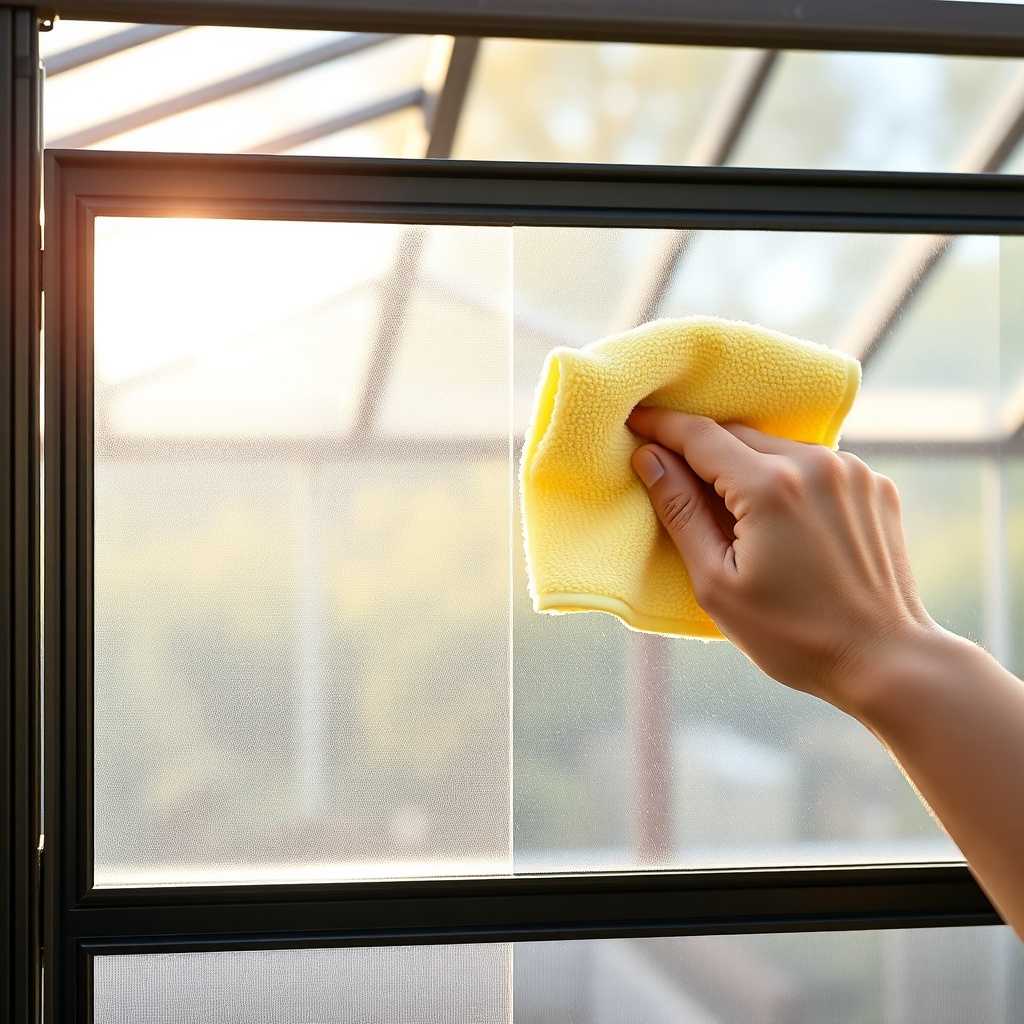
Hazing on polycarbonate usually comes from two sources: mineral buildup from hard water etching, or UV degradation of the factory coating. For hard water spots, a solution of equal parts white vinegar and distilled water applied with a microfiber cloth can remove mild deposits. Rinse immediately—don’t let it dry on the panel. For deeper hazing, a dedicated polycarbonate polish (like Novus Plastic Polish #2, $10 for a 8-ounce bottle) works well. Rub it on with a soft cloth in small circles, then wipe off with a clean microfiber.
If haziness persists after polishing, the UV coating has likely worn away. This is more common after five-plus years of direct sun. You can mitigate future damage by applying a UV protectant spray for plastics (303 makes one for $12). But if the panel is physically cracked, replace it—here’s the catch: the Suncast 8×6 Tremont uses custom-cut panels, so order a direct replacement from the manufacturer for about $40 to $60 per side. Polishing a damaged coating won’t restore light transmission, but a regular cleaning schedule—say, every two months—slows the process dramatically.
What Owners Say
“I’ve had my Suncast 8×6 Tremont for two years now, and honestly, the biggest hassle is keeping the lower panels free of moss. I live in the Pacific Northwest, and cleaning them quarterly with hydrogen peroxide has been a lifesaver. Just don’t use bleach—it ruined a corner panel on mine.” — Mark T., Oregon
“I use a hose and a soft car-wash mitt with plain water and a drop of dish soap. Takes 15 minutes every two months. The frame still looks brand new after three winters. One tip: dry the metal hinge tabs after washing, or they get rusty spots.” — Lena S., New York
“I power washed mine at about 1,000 PSI from 18 inches away, and it worked fine—but I did blow out one of the little rubber seals on a corner. If you’re not careful, water gets into the polycarbonate channels. Now I just use a spray bottle with vinegar solution. Way less risk.” — Dave R., Texas
| Situation | Severity & Action |
|---|---|
| Light dust or pollen on panels | Not urgent — rinse with hose or quick wipe with damp cloth; can wait until next weekly check. |
| Algae/moss on lower frame corners | Needs attention within 1-2 weeks — clean with diluted hydrogen peroxide to prevent staining and reduced light. |
| Hard water spots or light haze | Needs attention within a month — use vinegar solution or plastic polish to avoid permanent etching. |
| Crack or chip in polycarbonate panel | Needs attention now — replace panel to prevent structural weakening; check seals at same time. |
| Rusted hinge or screw hardware | Needs attention within 2-4 weeks — apply marine grease or replace with stainless steel; can spread to resin frame over time. |
Frequently Asked Questions
Can I use Windex on Suncast 8×6 Tremont panels?
No. Windex contains ammonia, which can dull the UV coating and cause polycarbonate to yellow over time. Stick to mild dish soap and water or a dedicated plastic cleaner.
How do I clean inside the double-wall polycarbonate panels?
You can’t directly access the channels. To clean between the walls, use a low-pressure water spray from the top edge to flush out debris, then tilt the panel to drain. For stubborn dust inside, a thin strip of microfiber cloth taped to a skewer can work through the open side, but avoid during rainy weather.
Will the resin frame fade in sunlight?
The Suncast 8×6 Tremont uses UV-stabilized resin, so fading is minimal over the first five years. If it does lighten, a plastic restorer like 303 Aerospace Protectant can darken the color, but expect natural lightening after a decade.
How do I prevent water spots after cleaning?
Use distilled or filtered water for the final rinse—tap water contains minerals that spot. Wipe down with a clean microfiber cloth immediately after rinsing, before it air-dries. Or use a squeegee meant for flat panels.
What’s the best way to clean the roof panels?
Use a soft-bristle brush on an extension pole and a mild soap solution. Rinse from the ridge down. Avoid stepping on the roof—the resin panels can support light foot pressure only if you stand on a spread load, but it’s safer to use a ladder.
Can I use a vinegar solution on the resin frame?
Yes, a 50/50 mix of white vinegar and water is safe for the resin frame. It removes minerals and mild stains. Just rinse thoroughly to avoid any leftover smell that might attract insects in summer.