
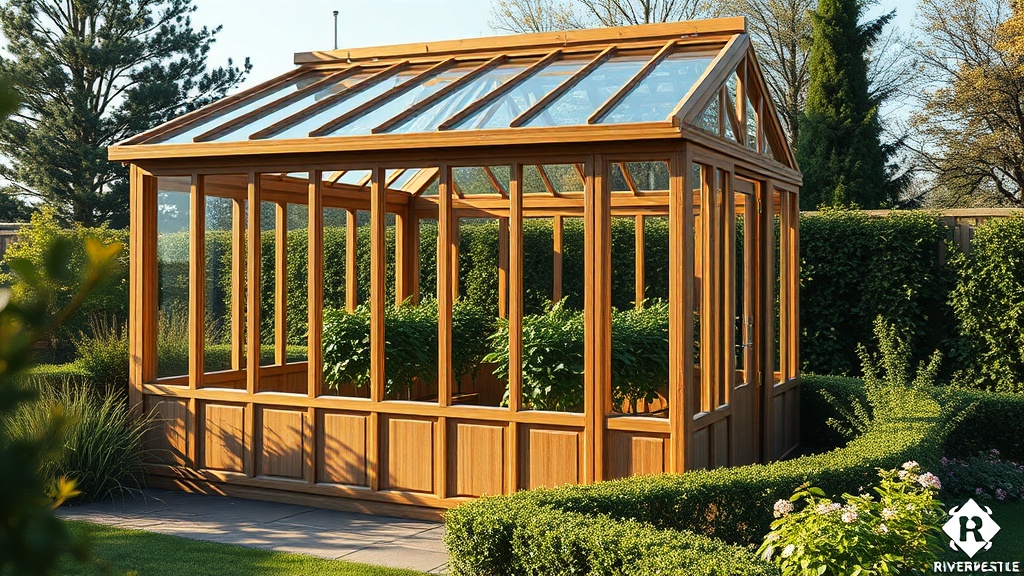
Why Does the Riverstone 6×8 Wooden Greenhouse Need a Seasonal Maintenance Routine?
The Riverstone 6×8 Wooden Greenhouse is a robust structure built from kiln-dried timber, but even the best wood requires consistent care to resist rot, warping, and pest damage. Seasonal weather—from freezing winters to humid summers—directly impacts the longevity of the frame, glazing, and foundation. A proactive maintenance checklist not only preserves the natural aesthetic of the cedar or pressure-treated pine but also ensures stable internal conditions for your plants. This guide provides a structured approach to wood preservation, covering cleaning, inspection, and protective treatments across four distinct seasons.
How Often Should I Clean the Riverstone 6×8 Wooden Greenhouse?
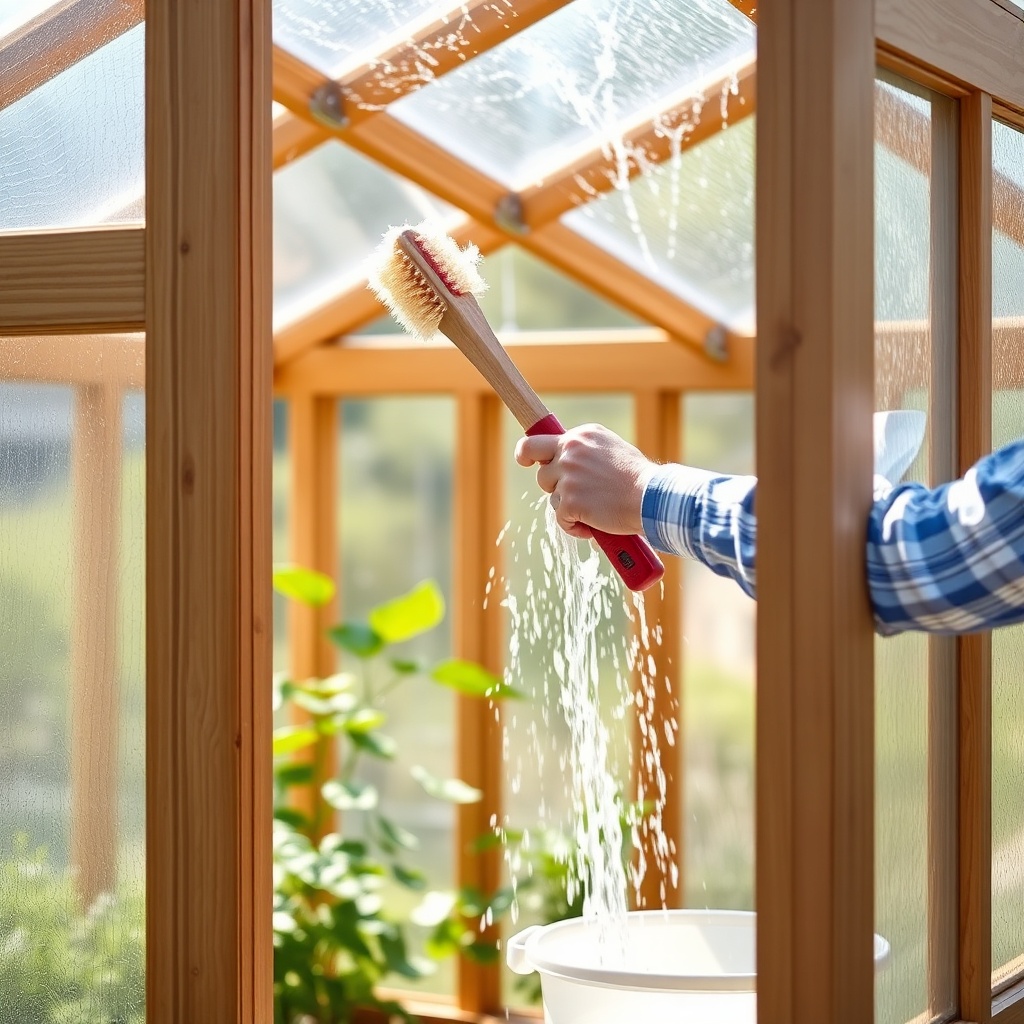
Cleaning frequency depends on your local climate and plant debris load, but a minimum of two deep cleans per year—spring and autumn—is essential. Interior surfaces, including the wooden frame, glazing bars, and staging, should be wiped down at the start of each growing season. Exterior wood needs an annual wash with a mild, pH-neutral detergent (like Castile soap) to remove algae, dirt, and bird droppings. Avoid pressure washers, as they can force moisture into the wood grain and damage the protective stain. Instead, use a soft-bristle brush and a garden hose with a spray nozzle. For stubborn mildew spots, a solution of one part white vinegar to four parts water works well without harming the timber. Rinse thoroughly and allow the wood to dry fully before applying any preservative or stain. This step prevents trapping moisture, which is the primary cause of rot in the Riverstone 6×8’s base rail and door frame.
What Is the Best Wood Preservative for the Riverstone 6×8 Frame?
Selecting the right preservative is critical. The Riverstone 6×8 frame is typically supplied with a factory-applied base coat, but this degrades within 12 to 18 months, especially on south-facing panels. For exposed timber, use a high-quality, exterior-grade wood stain or oil that contains UV blockers and water repellents. A semi-transparent stain (e.g., from Cuprinol or Ronseal in the UK, or Thompson’s WaterSeal in North America) allows the wood grain to show while providing robust protection. Apply two thin coats every two years, focusing on end grains and joints. Avoid paint or thick varnishes, which can crack and peel, trapping moisture. Instead, opt for a microporous finish that lets the wood breathe. For budget-conscious owners, a clear or lightly tinted teak oil applied annually on the base rails and door sill offers excellent water resistance. Check the manufacturer’s recommendations for re-treatment intervals specific to your climate zone—coastal and high-rainfall areas may require annual applications.
How Do I Inspect and Repair Wooden Joints and Base Rails?
The base rail of the Riverstone 6×8 is the most vulnerable part, as it sits close to the ground. Every spring, after cleaning, perform a thorough visual inspection using a flashlight. Look for soft spots, discoloration, or fungal growth. Prod the wood gently with a screwdriver; if the tip sinks in more than 2 mm, rot may be present. Minor rot can be treated with a wood hardener (like Ronseal Wet Rot Wood Hardener) after scraping out the damaged area with a chisel. For loose joints along the sill, apply exterior wood glue and reinforce with stainless steel screws. If the base rail is severely compromised, replacement sections can be ordered from Riverstone spare parts suppliers—install them with a polyethylene damp-proof course underneath to prevent future contact with soil. Similarly, check the ventilator hinges and door latch for corrosion; lubricate pivot points with a silicone-based spray twice a year. This proactive approach prevents the frame from warping, which would compromise the glass fit and weather seal.
| Maintenance Task | Spring | Summer | Autumn | Winter |
|---|---|---|---|---|
| Deep clean interior and exterior | Yes | Spot clean only | Yes | No (below 5°C) |
| Apply wood stain/preservative | Yes (if needed) | No (too hot) | Yes (preferred) | No (below 10°C) |
| Inspect base rail for rot | Yes | As needed | Yes | Yes (after snow/ice) |
| Lubricate hinges and locks | Yes | No | Yes | Before freezing |
| Check glazing clips and seals | Yes | Yes | Yes | Yes (before storms) |
What Are the Seasonal Ventilation and Humidity Maintenance Steps for the Wood?
Excess humidity inside the Riverstone 6×8 can soften wood fibers and promote mold. In summer, use the roof vent and side louver (if fitted) to maintain airflow. Install a Riverstone 6×8 Wooden Greenhouse: Automatic Ventilation System Review and Budget Options if you want consistent humidity control without manual opening. In winter, reduce watering frequency and keep the vent slightly cracked on mild days to release condensation. After heavy rain or snow, wipe down the interior timber with a dry cloth to prevent droplets from soaking into the grain. For owners in wet climates, consider adding a humidity-absorbing coating (like a wax emulsion) to door frames and corner posts. This simple step can reduce the risk of black mold staining the wood. Also, keep gutters and downspouts clear of leaves; overflow water can splash back onto the base and cause the wood to deteriorate much faster.
How to Clean and Prepare the Riverstone 6×8 Before Winter?
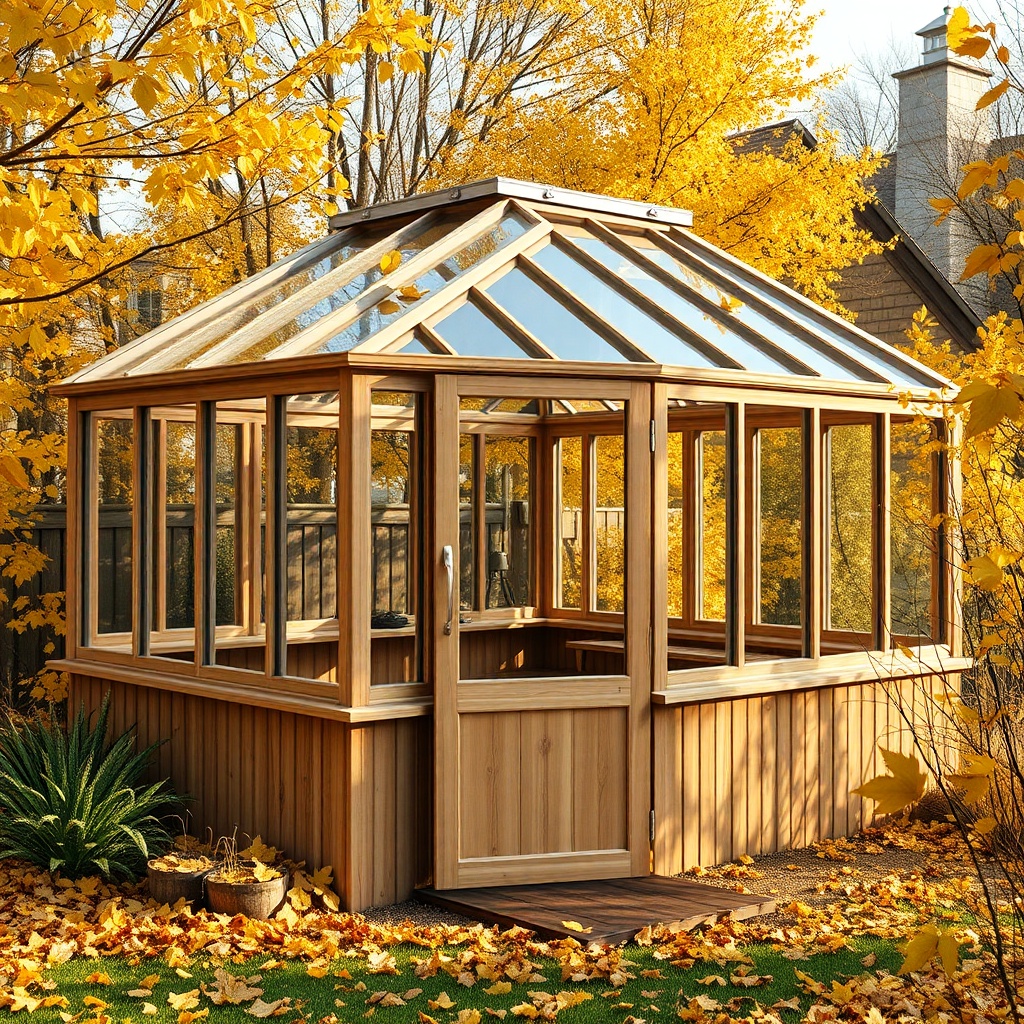
Autumn is the critical window for winterizing the greenhouse. Start by removing all dead plant debris, which can harbor fungal spores. Clean the glazing with a solution of warm water and a few drops of dish soap; use a long-handled sponge for the roof. Pay special attention to the wooden glazing bars—any remaining moss or algae can hold moisture against the wood. Apply a fresh coat of wood stain or oil if the previous coat looks thin, ensuring you cover the end grains of cut timber where water wicks in most easily. Check the foundation and ensure the base is well-drained. If your Riverstone 6×8 sits on soil, consider improving Riverstone 6×8 Wooden Greenhouse: Ground Preparation Tips for First-Time Builders to prevent water pooling. Finally, inspect the door seal and replace any worn weatherstripping. A pliable, silicone-based seal is best for keeping out drafts and moisture. Heating mats or a small fan heater can be used, but keep them away from wooden surfaces to avoid localized drying and cracking. Proper winter preparation can extend the life of the wooden frame by several years.
What Owners Say About Maintaining the Riverstone 6×8
Long-term owners emphasize that the Riverstone 6×8’s cedar variant is naturally rot-resistant but still requires treatment for longevity. One owner from the Pacific Northwest reported that using a semi-transparent stain every 18 months kept the wood looking like new for seven years. Another owner in a dry climate mentioned that the main challenge is keeping the door frame from shrinking slightly during summer, which can cause gaps—solved by applying a thin coat of linseed oil on the exposed edges. Many users recommend investing in an automatic shade system not only for plant health but to reduce sun damage to the timber. Check out the Riverstone 6×8 Wooden Greenhouse: How to Install an Automatic Shade System for Heat Control guide for integration tips. Overall, owners agree that consistent, small efforts—like evening out stain patches and lubricating hinges—prevent expensive repairs. The consensus is clear: the wood preserves well if you don’t ignore the first signs of wear.
Frequently Asked Questions
1. Can I use bleach to clean the Riverstone 6×8 wood?
No. Bleach is too aggressive and can break down the wood fibers. Stick to mild soap and water or a vinegar solution for cleaning.
2. How do I deal with green algae on the wooden frame?
Scrub with a soft brush mixed with one part white vinegar to four parts water. Rinse well and let dry. Apply a wood preservative afterward.
3. Is it necessary to treat the frame before the first winter?
Yes. Treat the wood within the first six months of assembly. The factory coat is not enough for long-term exposure to frost and rain.
4. What type of paint works best for the Riverstone 6×8?
A microporous, exterior-grade wood stain or oil is better than paint. Paint can trap moisture and cause peeling.
5. How do I prevent the base rail from rotting?
Ensure the greenhouse sits on a damp-proof course (like a concrete or gravel base with a barrier film). Inspect and treat every spring as outlined above.
6. Can I pressure-wash the exterior wood?
Avoid pressure washers. They force water into the wood grain and damage the protective coating. Use a hose with gentle spray from a distance if needed.