Riverstone 6×8 Wooden Greenhouse: Troubleshooting Common Rot Issues
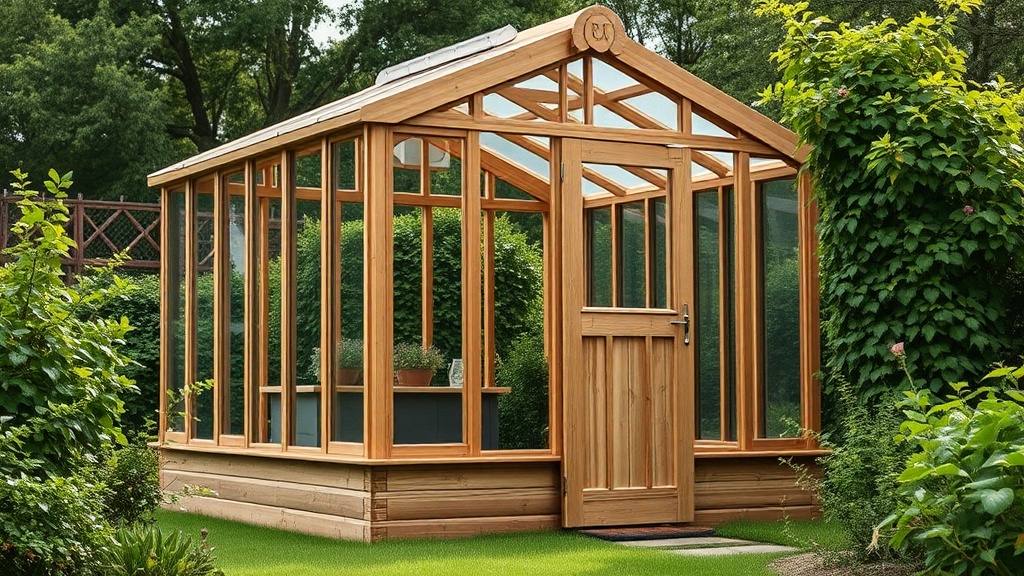
The Riverstone 6×8 Wooden Greenhouse is a popular structure for English gardeners, valued for its classic aesthetic and practical size. However, like any wooden greenhouse, it is vulnerable to rot if not maintained properly. This guide focuses on identifying, treating, and preventing the most common rot problems specific to this model, helping you extend its lifespan significantly.
Why Is My Riverstone 6×8 Wooden Greenhouse Showing Brown Spots on the Base?
Brown, soft spots on the base timbers are the most frequent rot complaint. This typically occurs where the wooden frame sits directly on the concrete base or gravel foundation. Moisture wicks up from the ground or accumulates after heavy rain, especially if the foundation lacks proper drainage or a damp-proof course.
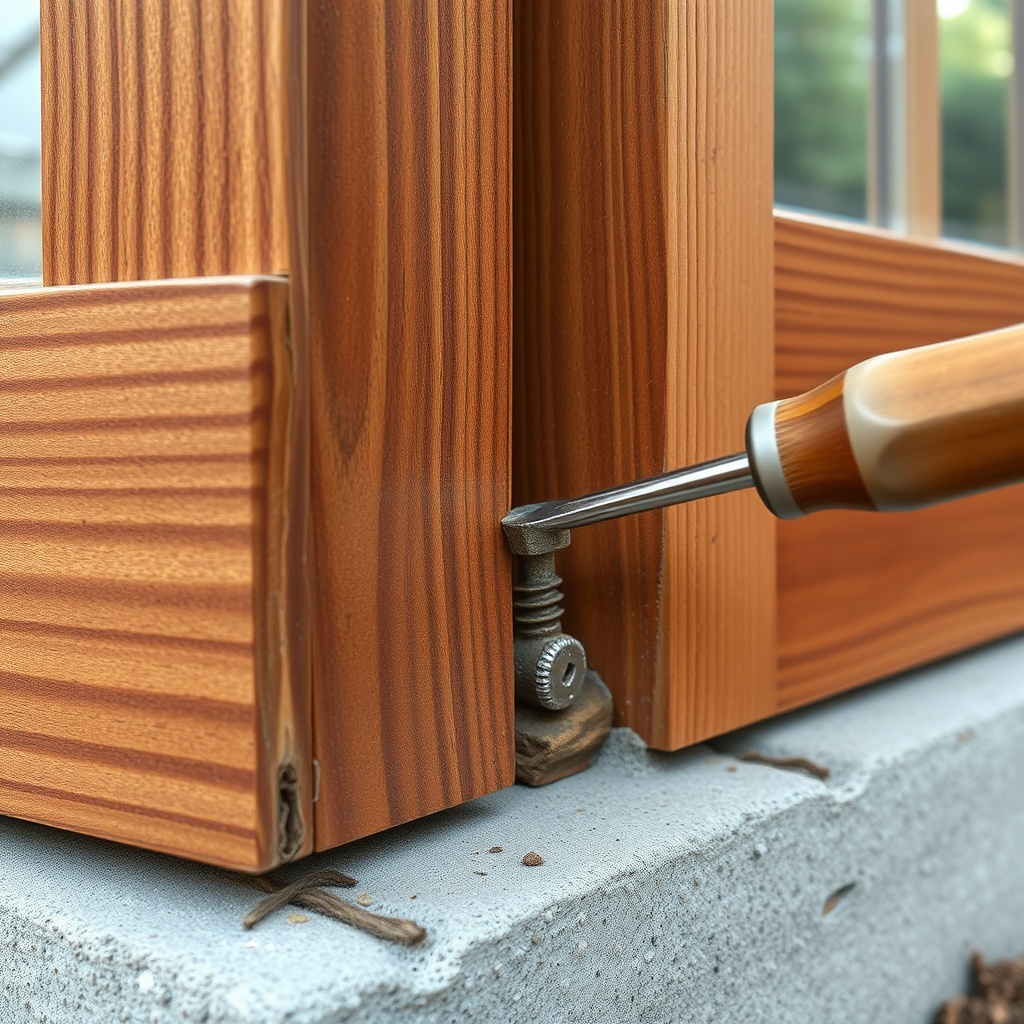
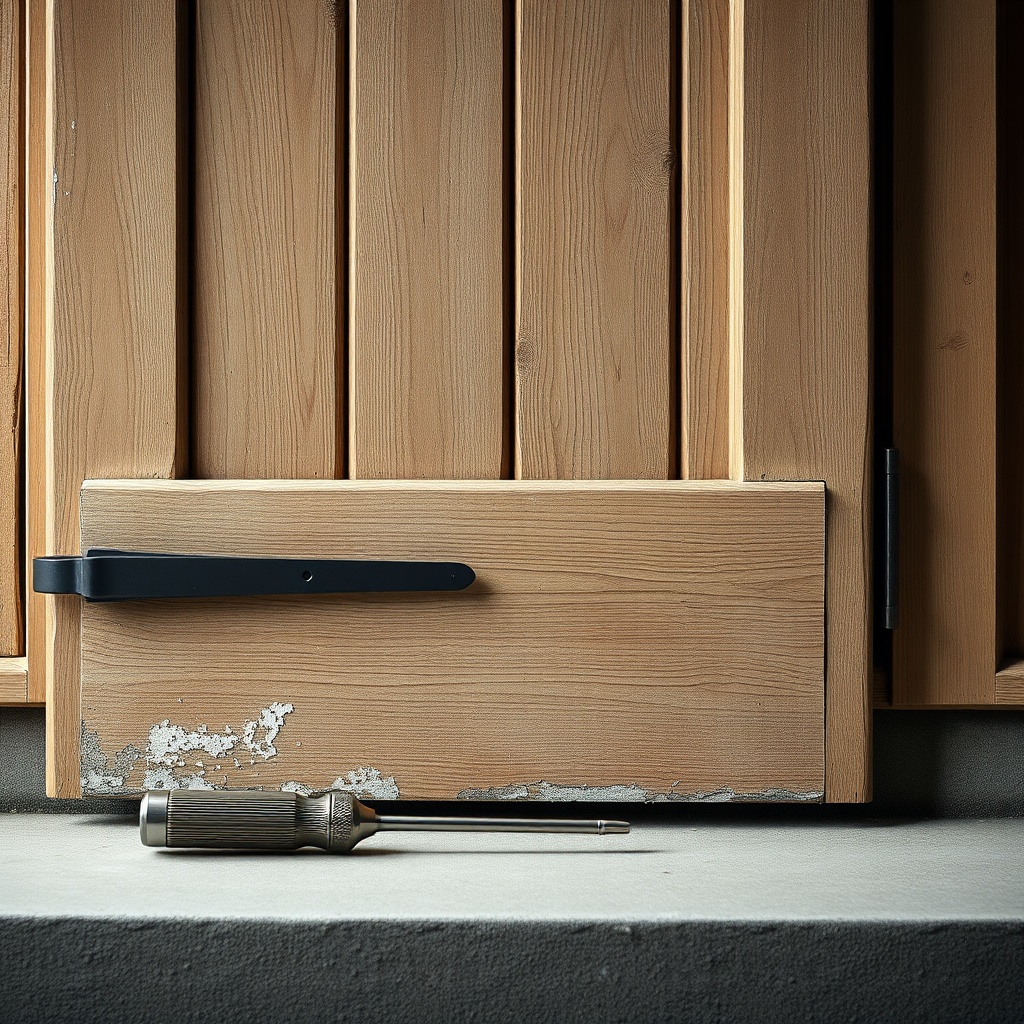
Inspect the base of the wall panels and the floor joists. If the wood feels spongy or crumbles when prodded with a screwdriver, you have active rot. For the Riverstone 6×8, the critical area is where the side panels meet the front and back panels—the joints are vulnerable if not sealed properly during assembly.
Immediate action: Scrape away any flaking paint or treatment. Apply a wood hardener (e.g., Ronseal Wet Rot Wood Hardener, ~£12) to stabilise the area. Then, treat with a fungicidal wood preservative (e.g., Cuprinol 5 Star Wood Treatment, ~£15 for 1L). Do not paint over until the wood is completely dry. For future prevention, ensure the greenhouse is on a 3–4-inch high concrete base with a slight slope away from the structure.
Why Are the Window Sills on My Riverstone 6×8 Rotting Faster Than the Rest?
Window sills on the Riverstone 6×8 are exposed to direct sunlight and rain, and they often collect water from condensation or splashing. Poor ventilation inside can cause persistent dampness. This is especially true if you have automatic irrigation system components mounted near the windows, which can create a mini microclimate of high humidity.
Check the sill ends, where water tends to pool. If the wood is lifting or showing dark streaks, you likely have surface mould or early rot. Clean thoroughly with a stiff brush and a garden disinfectant (e.g., Jeyes Fluid, diluted according to instructions, ~£8). Allow to dry for 48 hours in dry weather. Then, apply two coats of exterior-grade wood oil (e.g., Osmo UV Protection Oil, ~£22 for 750ml) which repels water better than standard paint.
Pro tip: Consider adding a small drip groove by routing a shallow channel on the underside of the sill, about 10mm from the edge. This prevents water from running back under the sill and into the joint.
What Should I Do About the Door Frame Rot on My Riverstone 6×8?
The door frame is another high-risk area due to constant use and exposure. The greatest point of failure is the bottom corner of the hinge side. Rainwater runs down the door, collects at the bottom, and sits against the hinge, which can also trap moisture against the wood. The Riverstone 6×8 uses a relatively thin (typically 22mm) timber for the door frame, making it susceptible.
| Rot Location | Severity | Action Needed |
|---|---|---|
| Surface mould on door panel | Usually not urgent | Clean with fungicidal wash; improve airflow. |
| Soft wood at bottom of door frame (hinge side) | Needs attention soon | Remove hinge, treat with wood hardener, replace hinge with stainless steel, ensure proper drainage away from frame. |
| Crumbling wood at base of door frame (latch side) | Needs attention soon | Cut out affected section (if small) and splice in a new piece; treat both surfaces with preservative before re-attaching. |
| Rot spreading into side panel studs | Urgent | May require partial disassembly; consult a professional or replace entire frame section. |
If you catch it early (soft wood less than 2mm deep), dig out the rotten material with a chisel, apply a wood hardener, and then fill with an exterior wood filler (e.g., Ronseal High Performance Wood Filler, ~£9). Sand smooth and repaint.
Why Is the Roof Panel of My Riverstone 6×8 Showing Water Stains?
Water stains on the roof panel of a Riverstone 6×8 usually indicate a failed seal between the glass and the timber frame. The roof is the most exposed part, and over time, the putty or glazing tape can crack. If you see brown streaks running down from the glass clips, or if the wood around the glass feels damp, you have a leaking seal.
Immediate fix: On a dry day, carefully remove the glass panel. Clean off old putty or tape. Replace with a high-quality glazing tape (e.g., Geocel Glazing Tape, ~£18 for 10m roll). Apply a bead of clear exterior silicone sealant along the rebate before pressing the glass back in. Re-secure with clips. This also improves insulation, which is helpful if you are setting up shelving and benching layouts near the roof for trailing plants.
If the wood itself is stained but not soft, it is likely just tannin bleeding from the wood—a cosmetic issue. Treat with a wood stain-blocking primer before repainting.
How Can I Stop the Floor of My Riverstone 6×8 from Rotting?
The floor rot in a Riverstone 6×8 is almost always due to standing water. The base is not sealed, and if you have a gravel floor without a proper membrane underneath, water can sit under the floorboards. If you have a solid concrete base, the problem is often that the floorboards themselves are untreated or have not been lifted periodically to allow drying.
Checklist for floor rot prevention:
- Lift floorboards: At least once a year (ideally in spring), lift a few floorboards to inspect the area underneath. Use a torch to check for damp patches or fungal growth.
- Improve ventilation: Ensure the base has small ventilation gaps (e.g., leaving a 10mm gap between the base and the first row of floorboards). Or install a small sub-floor vent.
- Treat all surfaces: Before replacement, treat the underside of floorboards with a water-repellent preservative (e.g., Barrettine Wood Preserver, ~£20 for 2.5L). Allow to dry for 24 hours.
- Replace damaged boards: If a board is soft or crumbling, replace it. A single bad board can spread rot to adjacent boards over time.
What Owners Say About Rot on the Riverstone 6×8
Owners of the Riverstone 6×8 frequently mention a few specific points in their experiences:
- “The base frame corners are the weakest link.” Many owners report that the join where the front and side panels meet is the first area to show signs of dampness, usually within 18–24 months if not treated annually. Several have solved this by applying a thick bead of clear exterior silicone to the inside of the corner joint before assembly.
- “Painting the whole thing yearly is a pain, but it works.” Several owners note that the factory treatment is adequate for about a year, but after that, a full coat of high-quality exterior wood paint or stain is necessary. Those who skip this step often see rot appear within two years.
- “The door frame is always damp.” A common observation is that the bottom of the door frame, especially on the hinge side, stays damp for hours after rain. Some owners have added a small rubber drip flap to the bottom of the door to redirect water away.
Frequently Asked Questions
Can I treat rot with bleach?
Household bleach can kill surface mould but will not penetrate deep enough to treat the wood. It can also damage the protective finish. For rot treatment, always use a dedicated wood hardener and preservative.
How often should I re-treat the wood of my Riverstone 6×8?
For the Riverstone 6×8, a standard exterior wood preservative or paint should be reapplied every 12–18 months. In high-humidity environments (e.g., near a pond or in a shady spot), you should do it annually. The roof and base joints are worth checking every six months.
Can I replace just one rotten panel, or do I need to replace the whole kit?
You can typically replace a single panel. The Riverstone 6×8 uses standard-sized panels. You can order a replacement from the manufacturer. Remove the rotten panel, clean the surrounding frame, treat with preservative, and install the new panel with fresh glazing tape. It is a moderate DIY job.
Does the greenhouse frame come with a warranty against rot?
Most standard warranties on the Riverstone 6×8 cover manufacturing defects for one year. Rot due to lack of maintenance, poor foundation, or environmental damage is typically not covered. Check your specific retailer’s terms.
What kind of paint is best for preventing rot on this greenhouse?
Use a high-quality exterior wood paint that contains a fungicide. Microporous paint (e.g., Sandtex, ~£25 for 2.5L) allows moisture vapour to escape, preventing trapped dampness. Avoid standard gloss paint, which can peel and trap moisture against the wood.
Should I insulate my Riverstone 6×8 to prevent condensation-related rot?
Yes, but correctly. Bubble wrap insulation (e.g., Greenhouse Megastore Bubble Insulation, ~£20 for a pack) is effective. Ensure you leave gaps at the base for airflow. Do not seal the entire structure, as trapped moisture can worsen rot more than condensation alone.