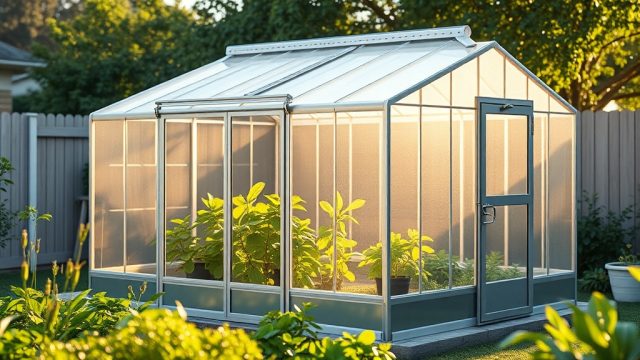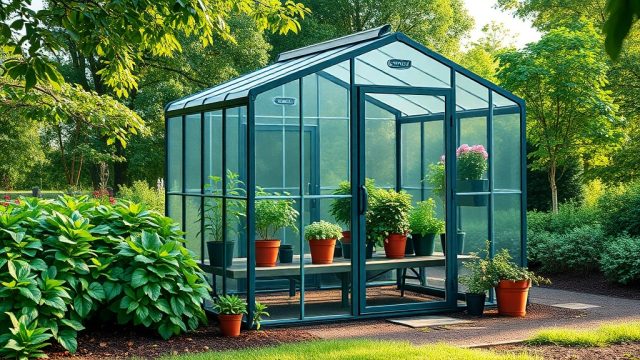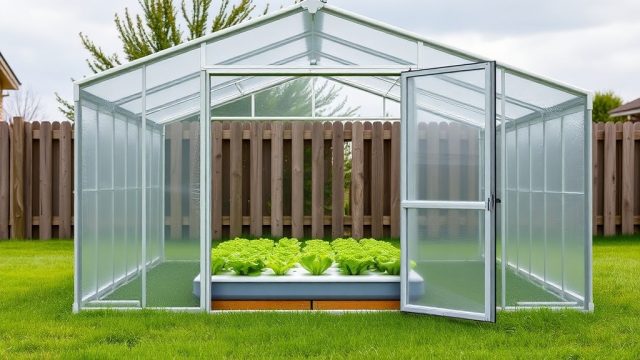
For owners of the Suncast 8×6 Tremont greenhouse, mastering irrigation is the single most critical factor for translating seasonal light into bountiful harvests. This 8-by-6-foot structure offers a controlled environment, but its watering demands shift dramatically from the cool, damp days of spring to the scorching heat of summer. Understanding how to calibrate your watering schedule for optimal growth ensures every plant receives the precise moisture it needs without risk of disease or root stress.
How Does the Suncast 8×6 Tremont’s Panel Material Affect Watering Frequency?
The Tremont’s polycarbonate panels and steel-reinforced frame create a unique microclimate. Unlike glass, twin-wall polycarbonate diffuses sunlight, reducing the intensity of direct rays and lowering evaporation rates by approximately 15–20% compared to a glass greenhouse of the same size. This means you may water slightly less often than you would in a glass structure, but the soil surface can dry unevenly if airflow is poor. Proper air circulation with fans helps maintain uniform moisture distribution across the planting bed.

What Is the Optimal Spring Watering Schedule for the Tremont?
In spring (March to May), outdoor temperatures in most regions hover between 45°F and 65°F (7°C–18°C). Inside the Tremont, the polycarbonate traps heat, raising daytime temps by 5–10°F. Cool soils and shorter days slow transpiration, so overwatering is a real risk. A good rule of thumb is to water every 2–3 days in early spring, then shift to every other day as foliage expands.
- Morning watering only: Apply water between 7 a.m. and 9 a.m. so leaves dry before nightfall, reducing fungal pressure.
- Volume: Use 0.5–0.75 gallons per square foot of growing area per week, split into two or three sessions.
- Soil check: Insert your finger 2 inches into the medium. If it feels cool and damp, wait another day.
Adjusting your method early prevents the soggy conditions that plaque inexperienced growers. For foundation stability that affects drainage, review ground preparation tips for a stable foundation.
How Should the Summer Irrigation Schedule Differ for the Suncast 8×6 Tremont?
Summer (June to August) brings intense solar gain inside the Tremont. With outdoor temps of 75–95°F (24–35°C), interior temperatures can spike to 100°F or more. Transpiration rates triple, and the 8×6 floor area (48 square feet) will need substantially more water. Switch to daily watering, sometimes twice daily on the hottest weeks.
| Season | Daily Water Volume (per 48 sq ft bed) | Frequency | Best Time of Day |
|---|---|---|---|
| Spring (Mar–May) | 24–36 gallons per week | Every 2–3 days | 7–9 a.m. |
| Summer (Jun–Aug) | 56–84 gallons per week | Daily (or twice daily during heatwaves) | 6–8 a.m. + 4–5 p.m. |
| Autumn (Sep–Nov) | 28–42 gallons per week | Every 2–3 days | 8–10 a.m. |
| Winter (Dec–Feb) | 10–18 gallons per week | Every 5–7 days (minimal) | 10 a.m.–12 p.m. |
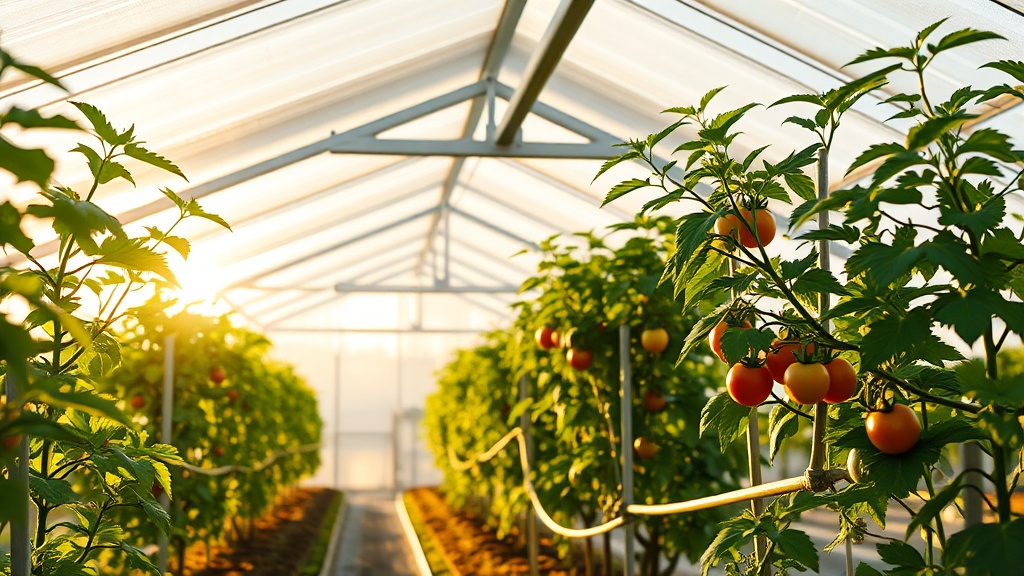
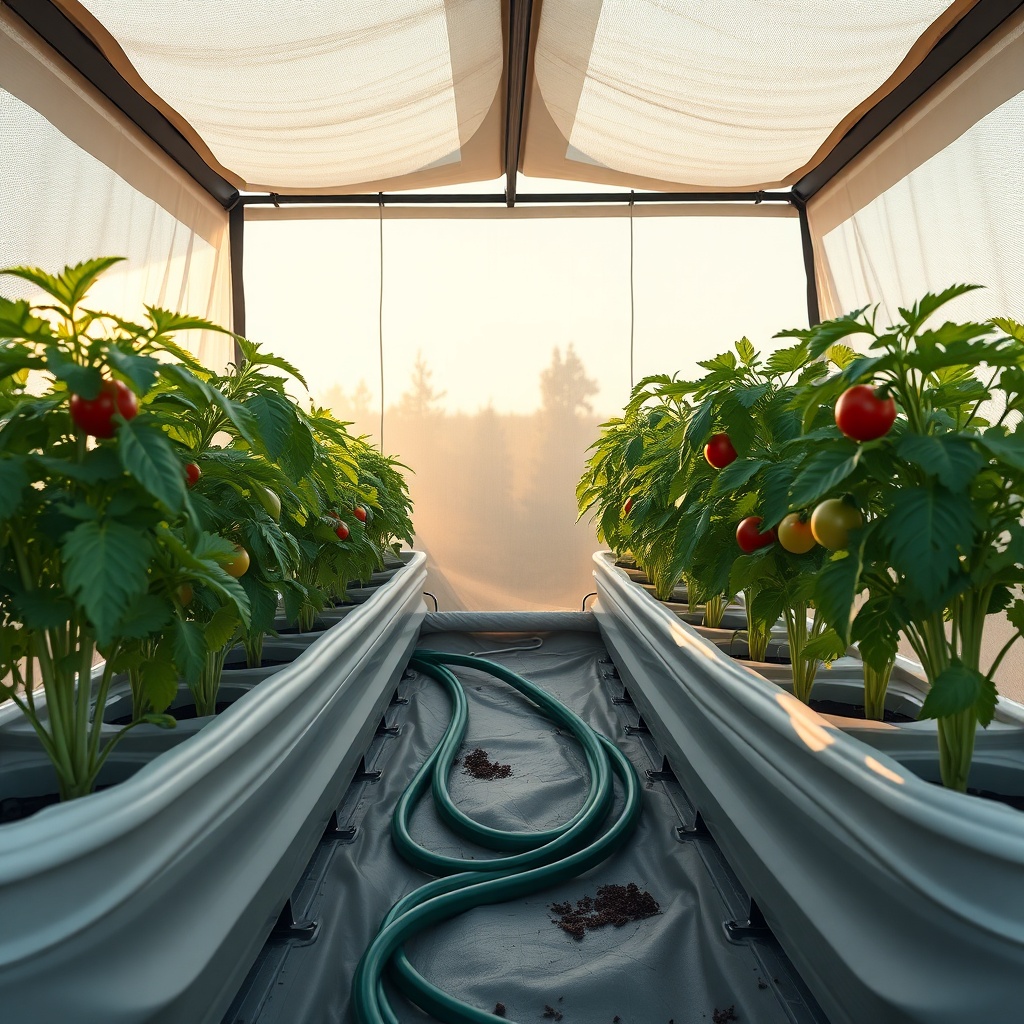
During July and August, use a soaker hose or drip system to deliver water directly to the roots, minimizing evaporation from the polycarbonate’s interior surfaces. Overhead watering in summer can turn the Tremont into a steam bath, fostering powdery mildew. Pairing irrigation with optimized air circulation with fans is non-negotiable during peak season.
How Do You Adjust Watering When Transitioning from Summer to Autumn in the Tremont?
Autumn (September to November) brings cooler nights and shorter days. The photo period drops below 12 hours, and plant growth slows. Inside the Suncast 8×6 Tremont, you must gradually reduce water volume and frequency. Start by cutting summer’s daily schedule back to every other day in September, then every third day by October. By November, many growers water only once every 5–7 days, depending on what remains in the bed.
- Temperature trigger: When interior night temps drop below 50°F (10°C), reduce water by 30%.
- Leaf drop signs: Yellowing lower leaves often indicate overwatering in the cooling season.
- Drainage check: Ensure the Tremont’s base drainage channels (if used with a gravel floor) are clear of debris. For tips on stable setups, read troubleshooting common frame and panel issues.
Many autumn weeds and volunteer seedlings appear; don’t water them—pull them to conserve moisture for your intended crops.
What Winter Watering Strategy Prevents Damage in the Suncast 8×6 Tremont?
Winter (December to February) is the most delicate period for watering in the Tremont. With outdoor temperatures often below freezing, water inside the greenhouse can lead to ice formation on panels and in soil. Polycarbonate retains some heat but not enough to prevent frost if external temps drop into the teens. Your goal is minimal, strategic watering to keep roots alive without saturating the medium.
- Frequency: Water only every 5–7 days, and only when the soil surface feels completely dry to the touch.
- Volume: Use just 0.2–0.3 gallons per square foot per week, applied slowly to avoid runoff.
- Timing: Irrigate between 10 a.m. and 12 p.m. on a sunny day so soil can warm and absorb moisture before nightfall.
- Frost risk: Never water in late afternoon or evening; trapped moisture can freeze on foliage and panels.
If you’re overwintering tender perennials or starting seeds, consider using a heated seedling mat under the trays. This localized warmth keeps roots hydrated without requiring heavy watering. For winter panel protection, refer to winter-proofing with proper sealing techniques.
What Owners Say About Watering in the Suncast 8×6 Tremont
Longtime users of the Suncast 8×6 Tremont frequently mention the importance of fine-tuning irrigation to the structure’s specific heat retention. One owner in Ohio noted that “the polycarbonate panels hold heat so well in spring that I have to water less than my neighbor’s glass greenhouse, but in July I sometimes water twice a day if I’m running tomatoes.” Another grower in the Pacific Northwest reported that the Tremont’s low height (about 6 feet at peak) can trap humidity, so they use an oscillating fan on a timer alongside drip irrigation. A third owner emphasized that the unit’s sliding door and lack of a floor pan means any excess water drains into the gravel base, preventing waterlogging issues common with cheaper kits. For detailed setup advice, see complete assembly setup tips.
Frequently Asked Questions
1. Should I water my Suncast 8×6 Tremont greenhouse in the morning or evening?
Always water in the morning (6–10 a.m.) to allow foliage to dry during daylight. Evening watering promotes fungal diseases and can lead to frost damage in winter.
2. Can I use rainwater in the Tremont, and how does it affect the schedule?
Yes, rainwater is excellent for plant health. However, you may need to adjust frequency because rainwater is slightly acidic and lacks dissolved salts, which can cause plants to take up water more readily. Typical adjustments mean a 10–15% reduction in volume compared to tap water.
3. How do I know if my Tremont’s soil is too dry or too wet?
Use the knuckle test: insert your finger 2 inches into the soil. If it’s dry at that depth, water. If it’s moist, wait a day. A moisture meter ($10–$15) is an accurate investment for this 8×6 space.
4. What type of irrigation system works best for the Suncast 8×6 Tremont?
A simple drip irrigation system with a timer is ideal. For a 48-square-foot bed, install ½-inch tubing with emitters spaced every 12 inches. Soaker hoses also work well for raised beds but require careful placement to avoid wetting the polycarbonate walls.
5. Do I need to drain the Tremont’s watering system in winter?
Yes. If you use a hose or drip system attached to an exterior spigot, disconnect and drain all lines before the first hard freeze. Internal water in tubing can expand and crack fittings. Store the system indoors.
6. How does plant spacing affect my watering schedule in the Tremont?
Dense planting reduces soil evaporation but increases transpiration, so you’ll water more often. Sparse planting means each plant gets more root volume, requiring less frequent watering. Adjust volume and frequency based on leaf area coverage within your 8×6 footprint.