How Should I Clean the Exterior Wood and Glass Before Winter?
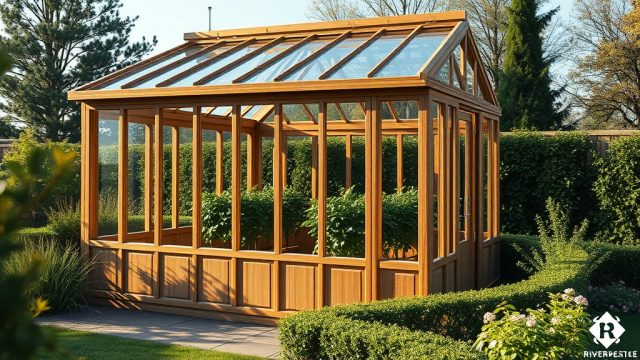
Before the first frost arrives, the Riverstone 6×8 Wooden Greenhouse demands a thorough cleaning to prevent wood rot and glass staining. Start by removing all plants, pots, and debris from the interior and exterior. For the timber frame, use a soft-bristle brush and a mixture of warm water and mild wood cleaner—avoid harsh bleach that can strip the protective stain. Rinse thoroughly with a garden hose set to low pressure, ensuring no soap residue remains in the joints or on the glass panes. Clean the horticultural glass with a vinegar-water solution (1 part white vinegar to 3 parts water) and a squeegee to remove algae, mineral deposits, and dirt. Pay special attention to the roof panels, where moisture can accumulate. This cleaning step is foundational; skipping it can lead to trapped moisture that accelerates wood decay over winter. For a deeper dive on year-round preservation, refer to our Riverstone 6×8 Wooden Greenhouse: Seasonal Maintenance Checklist for Wood Preservation.
What Wood Sealant or Stain Should I Apply for Winter Protection?
The Riverstone 6×8 Wooden Greenhouse is constructed from pressure-treated timber, but winter moisture and freeze-thaw cycles demand a high-quality exterior wood sealant. For this specific model, opt for a water-repellent, UV-resistant wood stain or a clear outdoor sealant designed for cedar or pine. Apply two thin coats with a natural-bristle brush, focusing on end grains and joints where moisture penetrates most. Allow 24 hours drying time between coats. Avoid deck oils, as they can attract dirt and mold. In regions with heavy snowfall, consider a tinted stain that offers UV protection—light gray or translucent cedar tones work well. A properly sealed greenhouse can last 10–15 years; neglect can cause rot within two winters. If you notice any damaged panels, check Riverstone 6×8 Wooden Greenhouse: Replacing Rotten Wood Panels Step-by-Step for repair guidance.
How Do I Winterize the Foundation and Base to Prevent Frost Heave?
The base of the Riverstone 6×8 Wooden Greenhouse sits on a prepared gravel or concrete slab foundation, but frost heave can still shift the structure if moisture accumulation occurs. Begin by clearing any organic debris, such as fallen leaves and mulch, from around the base—these trap moisture and attract pests. Inspect the pressure-treated base frame for signs of rot, especially at the corners. Apply a silicone caulk along the bottom edge of the frame where it meets the foundation to create a moisture barrier. If your greenhouse is on a gravel base, add 2–3 inches of fresh pea gravel around the perimeter to improve drainage and reduce frost penetration. For areas with deep frost lines, consider installing a simple skirt of rigid foam insulation around the base, buried 4–6 inches deep. This step minimizes thermal transfer and keeps the greenhouse interior more stable for Riverstone 6×8 Wooden Greenhouse: Heating Solutions for Early Spring Planting.
Which Cleaning Agents Are Safe for the Polycarbonate or Glass Panels?
The Riverstone 6×8 Wooden Greenhouse typically uses single-pane horticultural glass, though some models feature polycarbonate alternatives. For glass panels, avoid ammonia-based cleaners—they can cloud the glass or harm adjacent wood sealant. Instead, use a dish soap solution (1 teaspoon of mild liquid soap per gallon of water) combined with a soft microfiber cloth. For stubborn algae, apply a paste of baking soda and water, let it sit for 10 minutes, then rinse. For polycarbonate panels, never use abrasive scrubbers or solvent-based cleaners (like acetone or window cleaners with ammonia). Stick to a mixture of warm water and a few drops of liquid castile soap. Rinse both types with a hose spray nozzle set to a fan pattern to prevent streaking. After cleaning, check all panel clips and seals—replace any that are brittle to avoid winter drafts.
How Should I Clean and Store Greenhouse Accessories for Winter?
Accessories like benches, shelves, and irrigation systems require separate attention to endure winter. Remove all pots, trays, and tools from the Riverstone 6×8 Wooden Greenhouse. For wooden benches, use a stiff brush to remove soil and debris, then treat with a linseed oil finish (or a wood preservative) before storing indoors if possible. If benches remain in place, elevate them on bricks or blocks to avoid direct floor contact. Clean irrigation lines by flushing with a weak vinegar solution to remove mineral deposits, then drain all water to prevent freezing and cracking. For custom shelving, inspect for rust or rot; treat any metal components with a rust inhibitor. Store garden hoses, nozzles, and small tools in a dry shed or garage. If you need creative storage solutions, explore Riverstone 6×8 Wooden Greenhouse: Bench and Planter Combo Ideas for Space Saving for year-round organization.
| Winterizing Task | Severity if Skipped | Recommended Frequency | Estimated Time |
|---|---|---|---|
| Exterior wood cleaning | High – leads to rot and algae | Annually before first frost | 1–2 hours |
| Wood sealant application | Critical – moisture damage within 1 season | Every 2–3 years | 2–3 hours (plus drying) |
| Foundation and base cleanup | Medium – frost heave is possible | Annually | 30–45 minutes |
| Glass/polycarbonate cleaning | Moderate – reduced light transmission | Annually | 1–2 hours |
| Accessory cleaning and storage | Moderate – investment protection | Annually | 1 hour |
| Seal and gasket inspection | High – thermal leaks and drafts | Annually | 30 minutes |
What Preventive Steps Should I Take Against Pests and Mold in the Off-Season?
Wintering the Riverstone 6×8 Wooden Greenhouse without plants doesn’t mean pests and mold take a break. Clean all surfaces with a hydrogen peroxide solution (3% hydrogen peroxide, undiluted for hard surfaces) to kill mold spores and bacteria naturally. Spray corners, joints, and under benches where slugs and snails hide. To deter rodents, remove any organic matter inside (soil, compost bags, dead leaves). Seal gaps larger than ¼ inch with steel wool and silicone caulk—mice can squeeze through tiny openings. Place a few snap traps or humane traps along the base perimeter as a precaution. For persistent mold issues, use a dehumidifier or moisture absorber (like silica gel packs in small containers) inside the greenhouse. Avoid leaving standing water in buckets or trays. If you’re planning early spring plantings, a clean, pest-free greenhouse gives you a head start—complement this with Riverstone 6×8 Wooden Greenhouse: DIY Custom Shelving Plans for Small Greenhouses to maximize space.
What Owners Say
Many owners of the Riverstone 6×8 Wooden Greenhouse report that consistent winterizing extends the structure’s life dramatically. “After three winters, my greenhouse looks as good as new,” says Sarah, a gardener from Vermont. “I followed the annual sealant and caulking routine—no rot, no drafts.” Another owner, Mark from Ohio, emphasizes cleaning the glass: “I neglected the roof panels one winter, and algae buildup reduced light by about 30%. Now I do it every fall.” A common tip from long-term users is to invest in a quality silicone-based sealant for the base, noting that the pressure-treated wood holds up well but needs protection at ground level. One caution: owners in wet climates recommend checking the wood stain yearly, as rain can wear it faster than expected. Overall, the consensus is that with 3–4 hours of focused work each autumn, this greenhouse remains a reliable investment for years.
Frequently Asked Questions
Can I power wash the Riverstone 6×8 Wooden Greenhouse?
Yes, but only on the lowest pressure setting (below 1,000 PSI) and at least 12 inches away from the wood. High pressure can damage the timber grain and strip the sealant. Use a fan nozzle and avoid direct streams at glass panel edges.
How often should I replace the wood sealant on this greenhouse?
Typically every 2 to 3 years, depending on sun exposure and local climate. In regions with intense UV or heavy rainfall, inspect annually and reapply when water no longer beads on the wood surface.
What is the best way to prevent moss growth on the roof glass?
Clean the glass with a vinegar-water solution twice a year—once in spring and once in autumn. Ensure the roof has no overhanging tree branches that drip organic matter. For persistent moss, use a copper-based aquarium cleaner (safe for plants) diluted per instructions.
Should I leave the greenhouse door open during winter?
Partly—open the door a crack (1–2 inches) on dry, mild days to reduce condensation and mold. Close it fully during rain, snow, or freezing nights. Consider installing an automatic vent opener that closes at freezing temperatures, or manually adjust based on weather forecasts.
Do I need to drain the rainwater collection system attached to this greenhouse?
Absolutely. Before temperatures drop below freezing, drain all water from barrels, downspouts, and pipes. Ice expansion can crack plastic barrels and damage connectors. Rinse out the barrel with a mild bleach solution (1 cap per 10 gallons) to prevent algae growth during storage. For setup tips, see Riverstone 6×8 Wooden Greenhouse: DIY Rainwater Collection System for Efficiency.
Can I leave plants inside the greenhouse during full winter?
Only if you provide supplemental heat, as the interior can drop to below freezing on cold nights without protection. Unheated, the structure is suitable for frost-tolerant crops like kale or cold-hardy herbs (e.g., rosemary) in milder climates. For others, move plants indoors or use a small space heater with thermostat for Riverstone 6×8 Wooden Greenhouse: Heating Solutions for Early Spring Planting.