Introduction
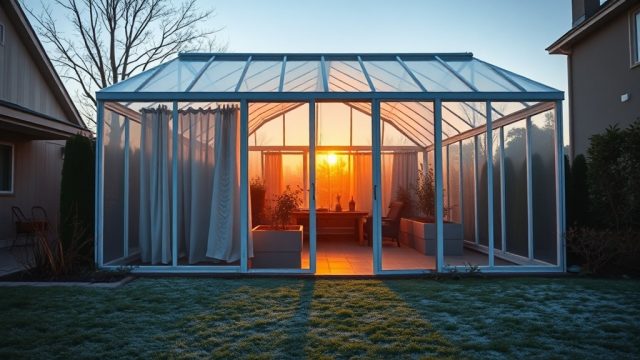
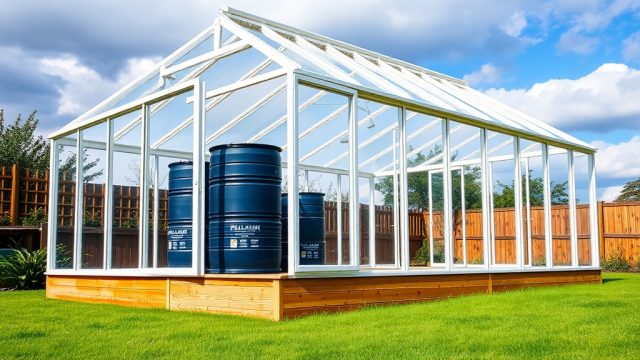
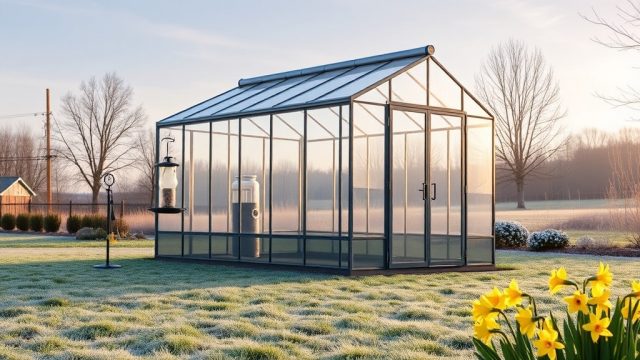
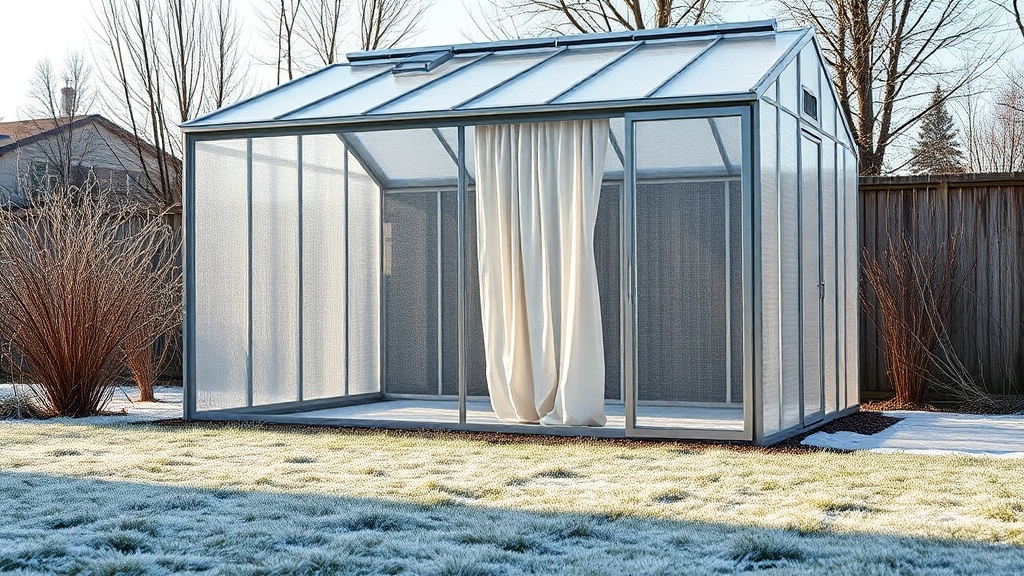
For serious greenhouse enthusiasts using the Suncast 8×6 Tremont, managing internal temperature during colder months is a constant challenge. Installing heat retention curtains is one of the most effective passive strategies to reduce heating costs, protect tender seedlings, and maintain stable overnight temperatures. This guide provides technical specifications, step-by-step installation methods, and cost comparisons tailored to this specific model, helping greenhouse owners achieve energy savings of up to 30% during peak winter.
Why Install Heat Retention Curtains in the Suncast 8×6 Tremont?
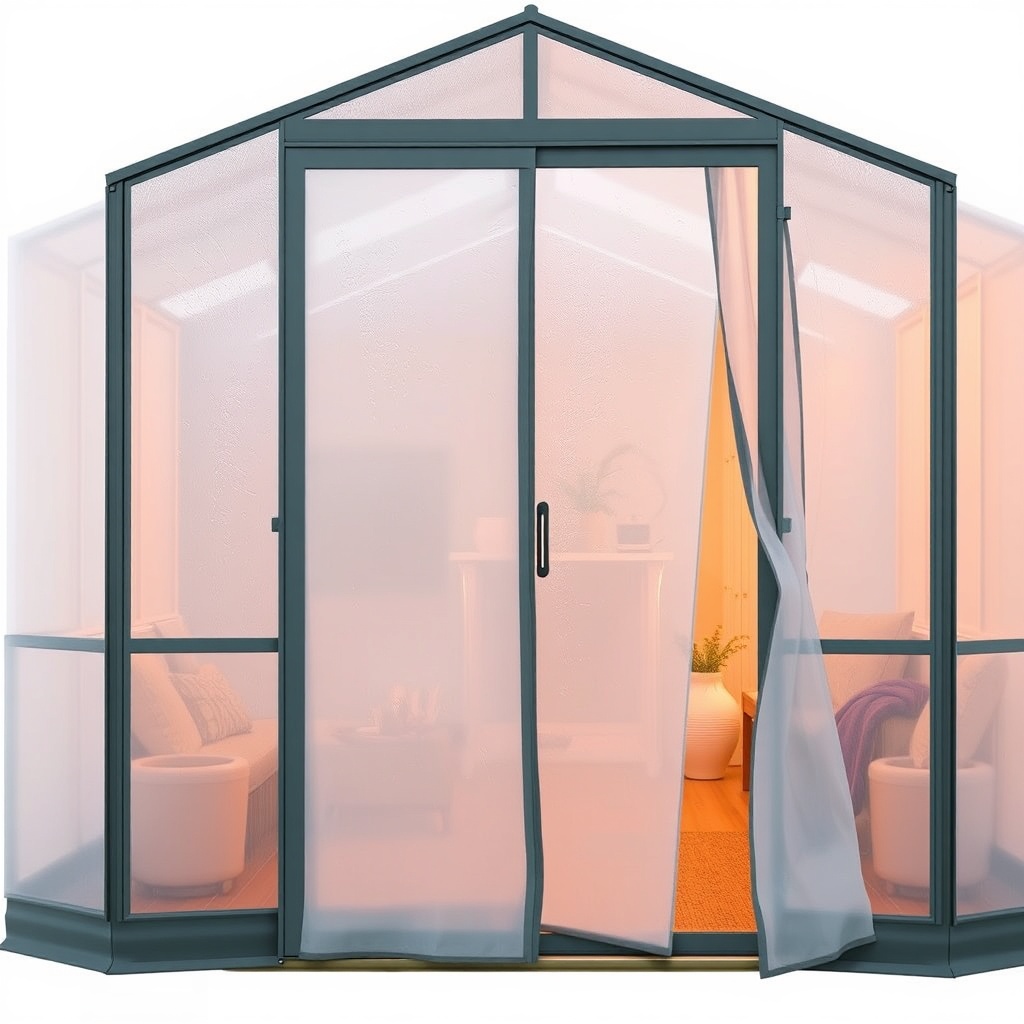
The Suncast 8×6 Tremont features a gabled roof with polycarbonate panels that, while durable, lose significant heat through radiation and convection during cold nights. Standard greenhouse construction leaves gaps at the ridge and along sidewalls where warm air escapes. Heat retention curtains create a secondary thermal barrier, reducing the volume of air that needs to be heated by up to 40% in a structure this size. Without curtains, a typical 8×6 greenhouse loses about 2.5°C to 3°C per hour in winter conditions; with properly installed curtains, that loss drops to below 1°C per hour. This is especially critical for growers in USDA zones 5-7 who want to extend their growing season without installing expensive supplemental heaters.
Additionally, curtains help moderate daytime temperature spikes. Even in winter, direct sunlight can raise internal temperatures to 35°C within minutes, stressing plants. Curtains can be drawn partially to reduce solar gain without completely blocking light. For more details on preparing your greenhouse for cold weather, see our guide on Suncast 8×6 Tremont: Winter-Proofing with Proper Sealing Techniques.
What Are the Best Curtain Materials for This Greenhouse?
Choosing the right fabric is essential for optimal performance in the Suncast 8×6 Tremont. The structure’s dimensions (8 feet wide, 6 feet deep, with a peak height of approximately 7.5 feet) dictate the amount of material needed. Here are three recommended options with pros, cons, and cost estimates in GBP:
| Material | Light Transmission | Heat Retention (R-value) | Cost per 8×6 Greenhouse (GBP) | Durability |
|---|---|---|---|---|
| Aluminised woven fabric (e.g., Reflectix type) | 0% (opaque) | R-5.5 (excellent) | £45–£70 | 5–7 years with UV coating |
| Clear thermal bubble wrap (2-layer) | 85% (diffuse) | R-2.1 (moderate) | £12–£20 | 1–2 years (may degrade) |
| Heavy-duty horticultural fleece (170g/m²) | 60% (soft diffused) | R-3.2 (good) | £25–£40 | 2–3 years (washable) |
For the Suncast 8×6 Tremont, a combination approach works best: use aluminised curtains over the roof area (which accounts for the largest heat loss) and fleece curtains along the north wall. This balances cost and efficiency. Avoid cheap polyethylene sheets as they create condensation issues and tear easily. When installing any curtain system, ensure proper sealing of the greenhouse envelope first—refer to Suncast 8×6 Tremont: Winter-Proofing with Proper Sealing Techniques for detailed advice on air leaks.
How Do I Measure and Cut Curtains for the Suncast 8×6 Tremont?
Accurate measurement prevents wasted material and ensures effective coverage. The Suncast 8×6 Tremont has a standard gable end (triangular section) on the front and back, and a rectangular roof section. Begin by measuring the roof slope length: from the ridge to the eaves, this is typically 4.5 feet on each side (total slope length). The width of each roof side is 8 feet. For a single curtain covering one roof side, cut fabric to 8.5 feet wide (allow 6 inches extra for hems/grommets) and 5 feet long (allow 6 inches extra for hemming and attachment). For side curtains, measure from the eave to approximately 12 inches above the ground (to allow air circulation)—about 5.5 feet height, and width matching each side (6 feet for the back side, 8 feet for each long side).
Use a sharp utility knife and straightedge for cutting woven fabrics to avoid fraying. For bubble wrap, scissors suffice. Mark attachment points: for a wire-based system, install eye hooks every 18 inches along the ridge and eave lines. A typical 8×6 greenhouse needs about 20 grommets total for a full curtain set. If you plan to motorise the curtains later, consider Suncast 8×6 Tremont: How to Install an Automatic Shade System for Heat Control to automate movement based on temperature sensors.
What Is the Step-by-Step Installation Process for Curtains?
Installing heat retention curtains in the Suncast 8×6 Tremont requires basic tools: drill, screwdriver, measuring tape, step ladder, and zip ties or rope. Follow these steps for a secure, functional system:
- Step 1: Install the support wires or rods. Run 2mm galvanised wire or lightweight curtain track (8mm diameter) along the roof ridge and eave lines. Drill pilot holes at 20-inch intervals and secure with eye hooks. For the ridge, attach a wire running from the front gable to the back gable. For each eave (left and right), run wires parallel to the ground.
- Step 2: Prepare the curtains. Hem all edges with a double fold (1 inch) and sew or use iron-on hem tape. Attach grommets along the top edge every 12 inches. For aluminised fabric, use a heavy-duty sewing machine or take to a specialist.
- Step 3: Hang the roof curtains first. Thread the top edge of the curtain onto the ridge wire using shower curtain rings or carabiners. Allow the curtain to hang down to the eave wire. Secure the bottom edge to the eave wire with short bungee cords or clips (available at garden centres for £1 each).
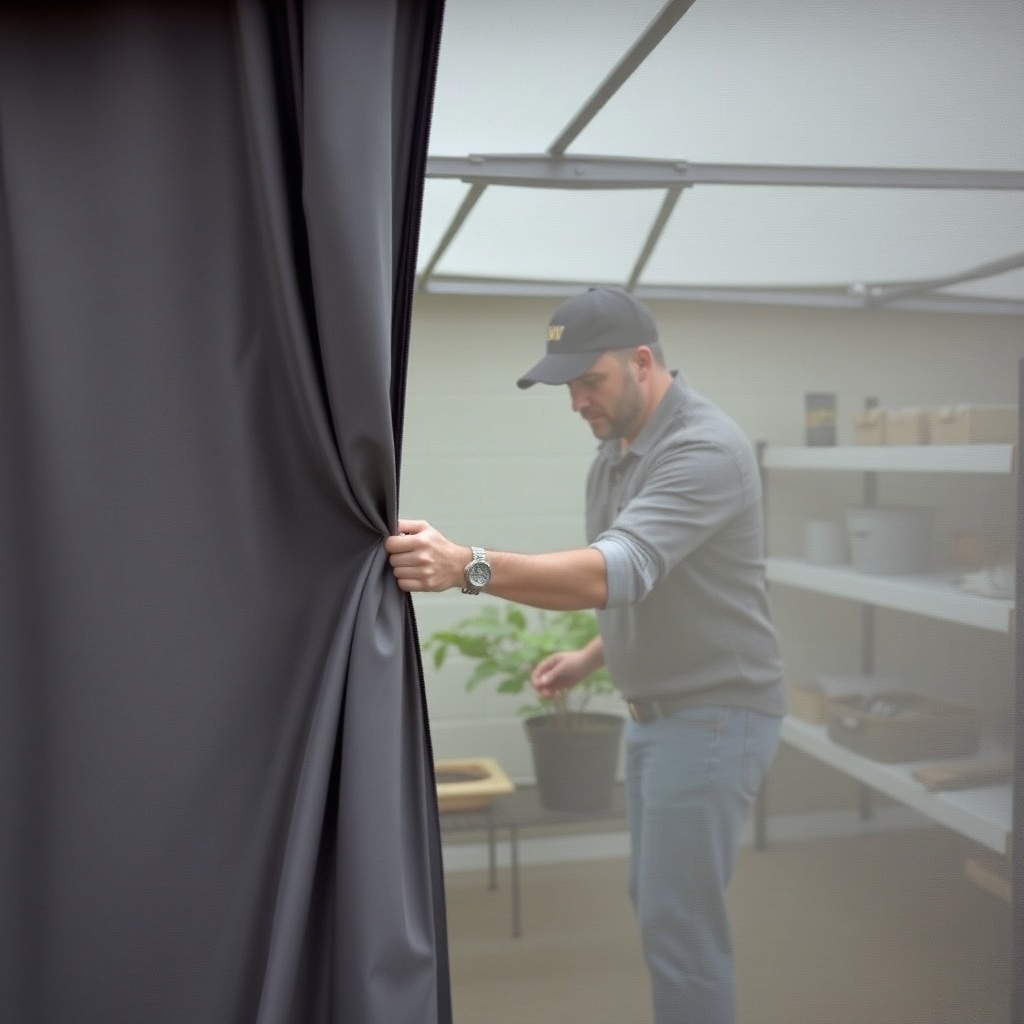
- Step 4: Install side curtains. For the north and side walls, fix a top wire at the eaves height (approximately 5.5 feet from floor) and a bottom wire 12–18 inches above the floor. Hang curtains similarly. These can be left permanently drawn or retracted when not needed.
- Step 5: Add a drawstring system for manual operation. Attach a nylon cord to the bottom hem of each roof curtain, run it through a pulley at the eaves, and tie off at a convenient access point. This allows you to open the curtains by pulling one string—a simple mechanism that costs under £10.
Always test the curtain movement before committing to all clips. If the fabric is heavy, consider using a lightweight curtain track with wheels (available from greenhouse suppliers for £30–£50). For those interested in optimising how they manage the greenhouse interior, our guide on Suncast 8×6 Tremont: DIY Custom Shelving Plans for Small Greenhouses can help rearrange internal space to work around curtain rods.
How Much Can I Save on Heating Costs with Curtains?
Real-world data from greenhouse enthusiasts using the Suncast 8×6 Tremont shows that heat retention curtains cut supplemental heating needs by 20% to 35% during the core winter months (November to February). For example, a grower using a 1.5kW electric heater in the greenhouse typically runs it 8 hours per night in December. Without curtains: 1.5 kW × 8 h = 12 kWh per night, at £0.34/kWh (average UK rate) = £4.08 per night. With effective curtains: the heater cycles only 5–6 hours per night (saving 3–4 kWh), reducing the nightly cost to approximately £2.72. Over 120 days of winter, this represents a saving of roughly £163 per year. Factoring in curtain material and installation costs of £50–£100, the system pays for itself within the first season or two.
Additional savings come from reduced plant loss. Tender seedlings (tomatoes, peppers, basil) suffer dieback below 8°C; curtains help maintain 10–12°C overnight even when outside temperatures drop to -5°C, drastically cutting replacement costs. For a complete temperature management strategy, consider pairing curtains with a watering schedule that avoids over-wetting cold soil—read Suncast 8×6 Tremont: Optimizing Watering Schedule for Seasonal Growth for seasonal adjustments.
What Owners Say
Feedback from Suncast 8×6 Tremont owners who installed heat retention curtains consistently highlights three benefits: stable temperatures, reduced condensation, and lower energy bills. Margaret from Cornwall (zone 8) reported, “I made my own curtains from aluminised survival blankets duct-taped together. Not pretty, but my greenhouse stayed at 14°C when it was -2°C outside. I saved £50 in electricity in January alone.” John from Nottingham (zone 7) used commercial fleece curtains and said, “The difference was incredible—no more frost on the inner glass. My lettuce harvest lasted until March.” However, some owners caution that curtains can block too much light if left closed all day. The consensus: install them on a retractable system and only draw them after 4 PM in winter. For those new to greenhouse assembly, our Suncast 8×6 Tremont: Complete Assembly Setup Tips provides essential first steps before adding any thermal modifications.
Frequently Asked Questions
1. Can I use ordinary curtains from a home store?
Standard household curtains lack UV resistance and thermal insulation properties needed for greenhouse conditions. They may degrade within one season and trap excess moisture, promoting mould. Use greenhouse-specific materials like aluminised thermal fabric or horticultural fleece.
2. Do heat retention curtains block essential light?
Yes, but this is manageable. Aluminised curtains block all light when fully closed—only draw them in late afternoon and open them by 9 AM on sunny days. For maximum light, use clear thermal bubble wrap on side walls and aluminised curtains only on the roof.
3. How do I clean the curtains without damaging them?
Most thermal fabrics can be gently hand-washed with mild soap (pH neutral) and hung to dry. Avoid machine washing or wringing. For bubble wrap, wipe with a damp cloth; aluminised fabric should be dusted with a soft brush. Clean curtains annually before winter to maintain R-value.
4. Should I install curtains on all sides or just the roof?
Prioritise the roof, as this is where most heat escapes. Installing side curtains on the north-facing wall is the second priority. South-facing sides can be left uncovered to maximise solar gain during the day. The Suncast 8×6 Tremont has a single door on one side, which can be curtained separately.
5. Can I combine curtains with a heater thermostat?
Yes, and this is highly recommended. A thermostat set to 10°C will activate the heater less frequently when curtains are drawn. Many growers wire curtains to close automatically when the heater turns on—see Suncast 8×6 Tremont: How to Install an Automatic Shade System for Heat Control for sensor-based automation.
6. What is the lifespan of heat retention curtains in the Suncast 8×6 Tremont?
With proper care, aluminised curtains last 5–7 years; horticultural fleece lasts 2–3 years; bubble wrap may need replacement every 1–2 years due to UV degradation. Store curtains indoors during summer months to prolong lifespan.