Why Does the Suncast 8×6 Tremont Need Special Winter-Proofing Attention?
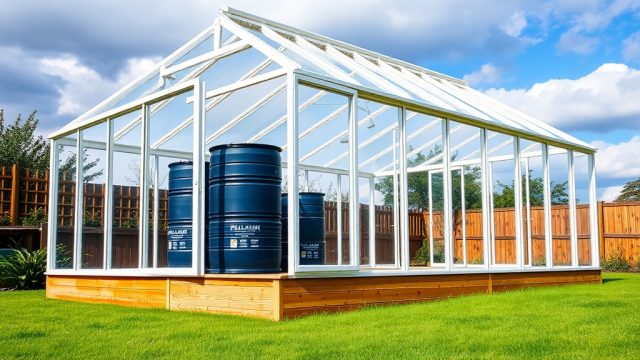
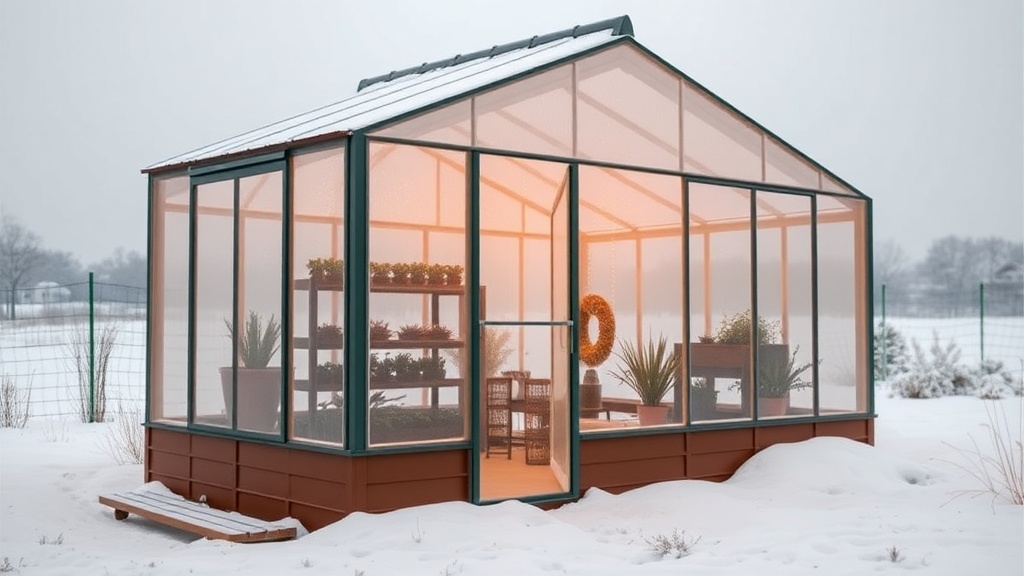
The Suncast 8×6 Tremont is a popular polycarbonate greenhouse valued for its twin-wall panel design, which provides inherent insulation. However, even this robust structure can become inefficient in harsh winter climates if the sealing points are not addressed. Thermal bridging at panel edges and gaps around the door and base can cool the interior, making heating systems work harder and increasing electricity costs.
Without proper winter-proofing techniques, you may experience up to 20% heat loss through unsealed seams. This article details specific, actionable strategies to keep your Suncast 8×6 Tremont warm without breaking the bank—focusing on low-cost sealing upgrades that complement your heating system.
What Are the Most Critical Heat Loss Points in the Suncast 8×6 Tremont?
Identifying where warmth escapes is the first step. The four primary areas of concern are:
- Panel channels: The aluminium frame holds polycarbonate panels via rubber gaskets. Over time, these gaskets compress or shift, creating micro-gaps.
- Door perimeter: The sliding door track and magnetic seal (or latch) can develop drafts, especially if the track collects debris.
- Foundation gap: The greenhouse sits on a frame that contacts the ground. Wind can cut underneath if the base is not sealed.
- Roof ridge and vent edges: The roof panel overlaps the frame, and condensation can form here if cold air infiltrates.
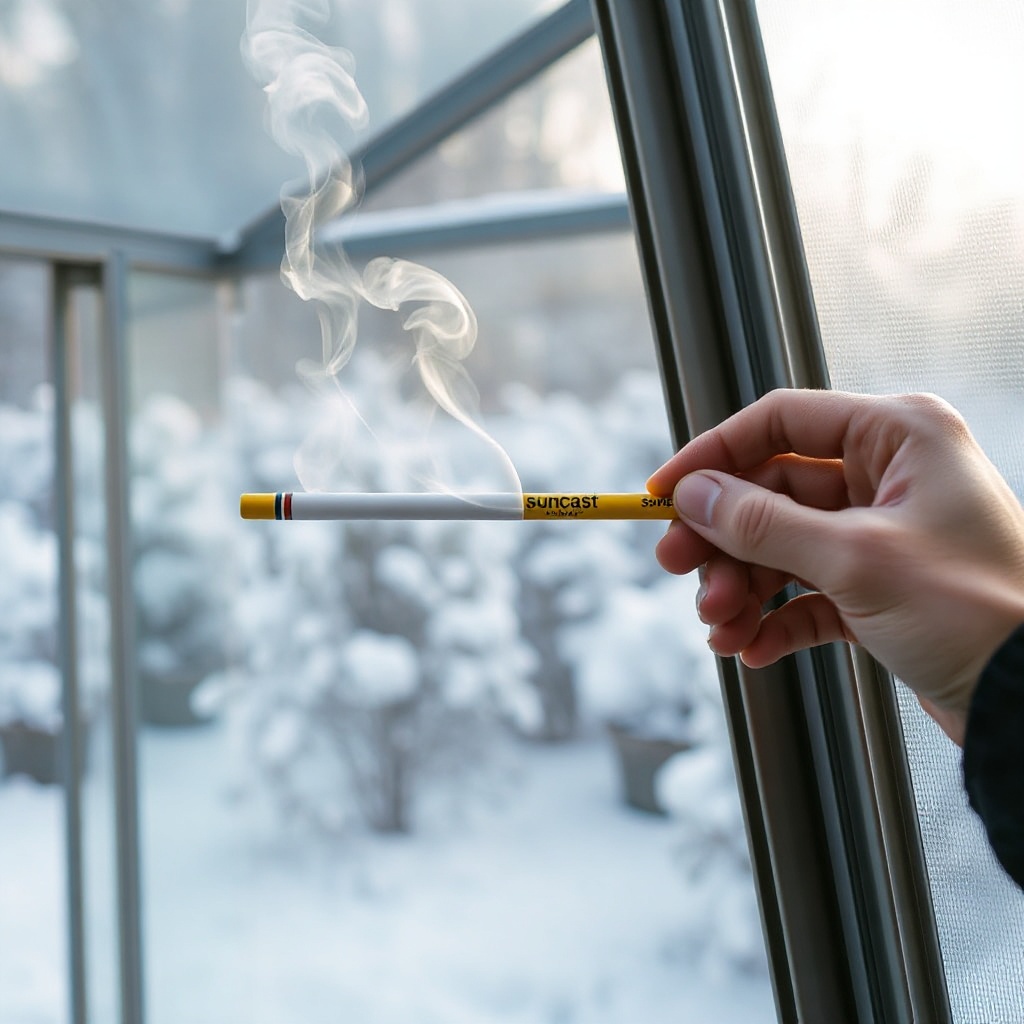
To check for leaks, use a smoke pencil or incense stick near these joints on a windy day. Alternatively, a thermal camera will instantly reveal cold spots. Addressing these areas can reduce heat demand by 30%.
Which Sealant Types Work Best on Polycarbonate and Aluminium Frames?
Not all sealants are compatible with polycarbonate. Using silicone-based products that release acetic acid can damage polycarbonate over time, causing crazing (fine cracks). For the Suncast 8×6 Tremont, use these specific products:
- Butyl tape (rope caulk): Excellent for sealing between the aluminium frame and polycarbonate panels. It remains pliable, accommodating thermal expansion without cracking. Cost per roll: approximately $6–$10.
- Polycarbonate-compatible silicone sealant: Look for neutral-cure silicone (no acetic acid). Brands such as GE Silicone II or SikaFlex Pro are safe. A standard tube costs $8–$14.
- Closed-cell foam weatherstripping: Ideal for door gaps. Use 3/8″ thick x 1/2″ wide strips. A 10-foot roll runs $4–$7.
- EPDM rubber gasket tape: Self-adhesive, durable against UV, and excellent for re-gasketing panel channels. A 20-foot roll costs around $12–$18.
Important note: Avoid expanding spray foam near polycarbonate—it can warp panels. Stick to sealants designed for greenhouse applications.
For more assembly context, see our Suncast 8×6 Tremont: Complete Assembly Setup Tips guide, which covers proper panel fitting from the start.
How to Seal the Base and Foundation to Stop Drafts
The bottom of the Suncast 8×6 Tremont often sits on a pressure-treated wooden frame or a concrete pad. If the structure is not fully enclosed underneath, cold air enters through the gap between the greenhouse frame and the base.
The most effective solution is a gravel-and-foam board skirt. Here’s a quick cost estimate:
| Item | Quantity | Approx. Cost (USD) |
|---|---|---|
| Extruded polystyrene (XPS) foam board (1″ thick) | 4 sheets (2×8 ft each) | $60–$80 |
| Construction adhesive (polyurethane based) | 2 tubes | $10–$15 |
| Gravel (washed, 3/4″ size) | 0.5 cubic yard | $25–$35 |
| UV-resistant vinyl tape | 1 roll | $8–$12 |
| Total | $103–$142 |
Instructions:
- Cut the XPS board into strips 6″ tall to fit around the greenhouse base perimeter.
- Apply construction adhesive to the inside of the base frame and press the foam strips firmly.
- Seal the joints between foam strips with UV-resistant vinyl tape to prevent air movement.
- Pile a 2″–3″ layer of gravel over the soil inside the greenhouse, up to the base frame. This insulates the floor.
This method creates a thermal break, stopping cold from penetrating the floor. For long-term stability, review our Suncast 8×6 Tremont: Ground Preparation Tips for a Stable Foundation article before laying the gravel.
Should You Upgrade the Door Seal? (Tips for the Sliding Door)
The sliding door on the Suncast 8×6 Tremont is a common source of drafts. The factory-provided brush seal can compress or become clogged with leaves and grit. A simple upgrade is to install a magnetic weatherstripping kit onto the door edges, similar to a refrigerator door seal.
Purchase a magnetic weatherstripping tape (25 ft long, with adhesive backing) for about $15. Apply it along:
- The top edge of the door where it meets the header.
- The vertical edge where the door latches.
- The bottom rail where the door slides (use a thin, flat strip to avoid drag).
Additionally, ensure the door track is clean and that the door sits level. A misaligned track creates a gap at the bottom. Adjust the track by loosening the screws, tapping it gently with a rubber mallet, and retightening. This alone can stop a 1/8″ gap that leaks warm air.
If you want automated ventilation to manage humidity and temperature alongside door sealing, check our Suncast 8×6 Tremont: Automating Ventilation for Optimal Temperature Control article—ventilation remains essential even in winter.
Heating Strategies: Using Sealants to Boost Heating Efficiency
Once you have sealed the major leaks, your heating system becomes significantly more effective. For a Suncast 8×6 Tremont, the recommended heater size is 1,500–2,000 BTU for mild climates (down to 20°F), or a 5,000 BTU electric heater for colder zones. However, unsealed gaps can double the runtime.
Here are supplementary heating tips that rely on proper sealing:
- Thermal curtains: Install heavy-duty clear plastic curtains on a tension wire across the rear half of the greenhouse. This creates a smaller zone to heat at night. Sealing the curtain edges with magnetic tapes reduces heat loss to that zone.
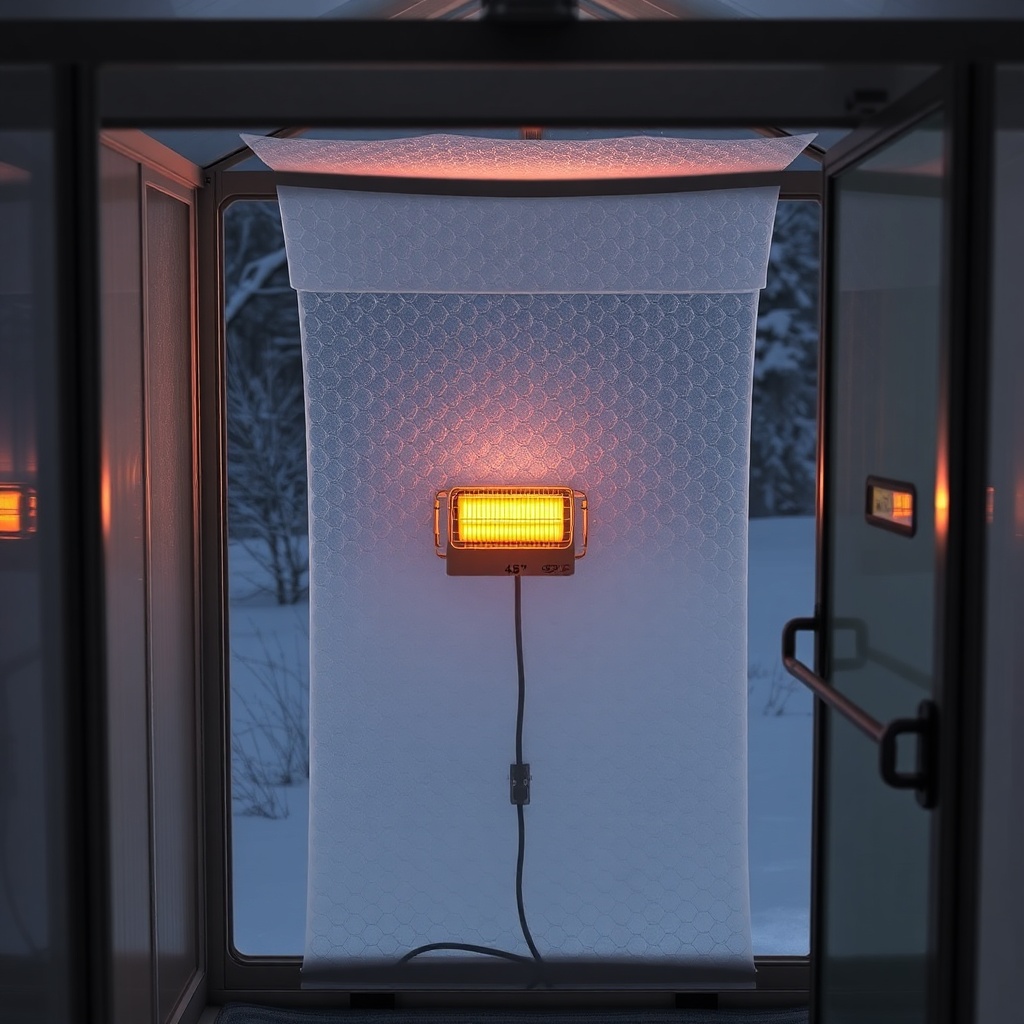
- Bubble wrap as secondary glazing: Cut large sheets of horticultural bubble wrap (UV stabilized) and attach them to the inside of the polycarbonate panels using greenhouse tape. This adds an R-value of approximately 1.0. The sealed bubble wrap also prevents condensation drips on plants.
- Heater placement: Position a small fan near the heater to circulate warm air. Pair this with a thermostat that kicks on at 40°F. Sealed panels allow the heater to maintain even temperature instead of short-cycling.
Good airflow further improves heat distribution. See Suncast 8×6 Tremont: Optimizing Air Circulation with Fans for fan placement that works with sealed structures.
What Owners Say About Winter Sealing Results
Experienced owners of the Suncast 8×6 Tremont who have applied these sealing techniques often report dramatic improvements. Common feedback includes:
- “After adding butyl tape to the panel channels, my heater runs 40% less. The greenhouse stays at 50°F even when it’s 15°F outside.” — Tom, Zone 6b, Pennsylvania
- “The base was the biggest leak. I used foam board and gravel as described, and now the floor feels warm. No more frozen roots!” — Linda, Zone 5, Minnesota
- “Installing magnetic weatherstrip on the sliding door was the best $15 I spent. The previous draft was chilling my seedlings.” — Mark, Zone 7, Oregon
- “I tried silicone caulk first and it yellowed after a year. Switched to neutral-cure silicone—no issues. Great advice here.” — Rebecca, Zone 6, Massachusetts
Many owners also emphasize that proper sealing allows them to grow cold-hardy greens (kale, spinach) through winter without a heater, only using warmth from solar gain. The twin-wall panels capture enough heat on sunny days to keep temperatures above freezing, provided no gaps exist.
For shelf and bench setup inside a sealed greenhouse, see our Suncast 8×6 Tremont: Space-Savvy Shelving and Benching Layouts for Small Greenhouses article.
Frequently Asked Questions
Can I use regular silicone to seal polycarbonate panels?
No, standard silicone (acetic acid cure) can damage polycarbonate. Use only neutral-cure silicone designed for plastics, or butyl tape for a safe, durable seal.
How often should I reapply sealant on the Suncast 8×6 Tremont?
Butyl tape lasts 2–3 years before becoming brittle. Check every autumn. Replace weatherstripping on doors annually if it shows compression marks.
Will sealing the greenhouse cause humidity problems?
Sealing reduces air exchange, so humidity rises. This is beneficial for plants but can cause condensation. Install a small ventilation fan (see this guide) or open the roof vent during sunny hours.
Can I insulate the floor without a concrete foundation?
Yes. Use rigid foam boards (XPS) under the gravel, as described earlier. This creates an insulated floor that prevents frost penetration and root damage.
Does the Suncast 8×6 Tremont come with any built-in sealing?
Yes, the kit includes rubber gaskets for panel edges, but these are basic. Upgrading to butyl tape or EPDM gasket tape provides a tighter, longer-lasting seal.
Is it worth using a heater inside a sealed Suncast 8×6 Tremont?
Absolutely. A small 1,500-watt heater can maintain 50°F down to 20°F outside when the greenhouse is properly sealed. Without sealing, you need 2–3x the wattage, significantly raising electricity costs.