Introduction: Why Automatic Shade Systems Are Essential for the Suncast 8×6 Tremont
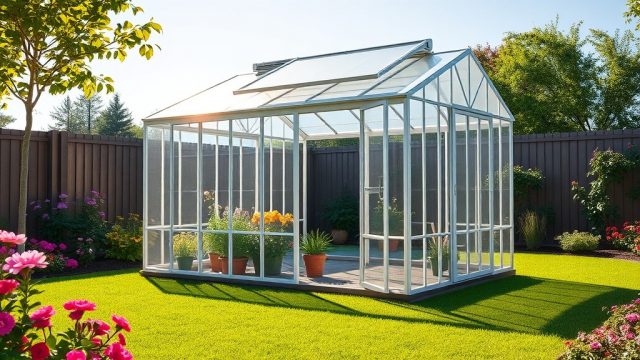
The Suncast 8×6 Tremont greenhouse is a popular choice for home gardeners who want a sturdy, compact structure that can handle a variety of crops. Its polycarbonate panels and aluminum frame provide good insulation, but without proper ventilation and cooling, internal temperatures can soar above 100°F (38°C) on a sunny day. One of the most effective solutions is installing an automatic shade system, which reduces heat stress, prevents scorched leaves, and maintains a stable environment for your plants. This guide walks you through the entire process, from understanding your greenhouse’s heat dynamics to choosing and setting up the right shade system.
How Does the Suncast 8×6 Tremont Overheat, and Why Is Shade Critical?
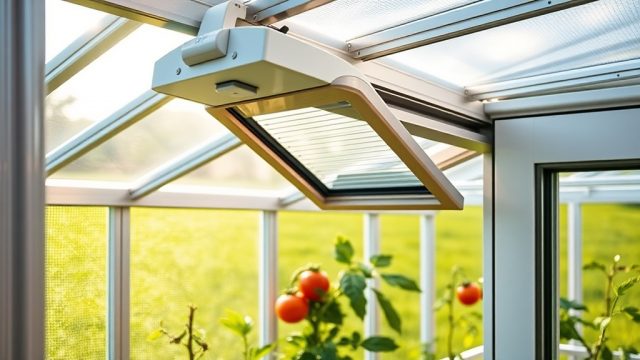
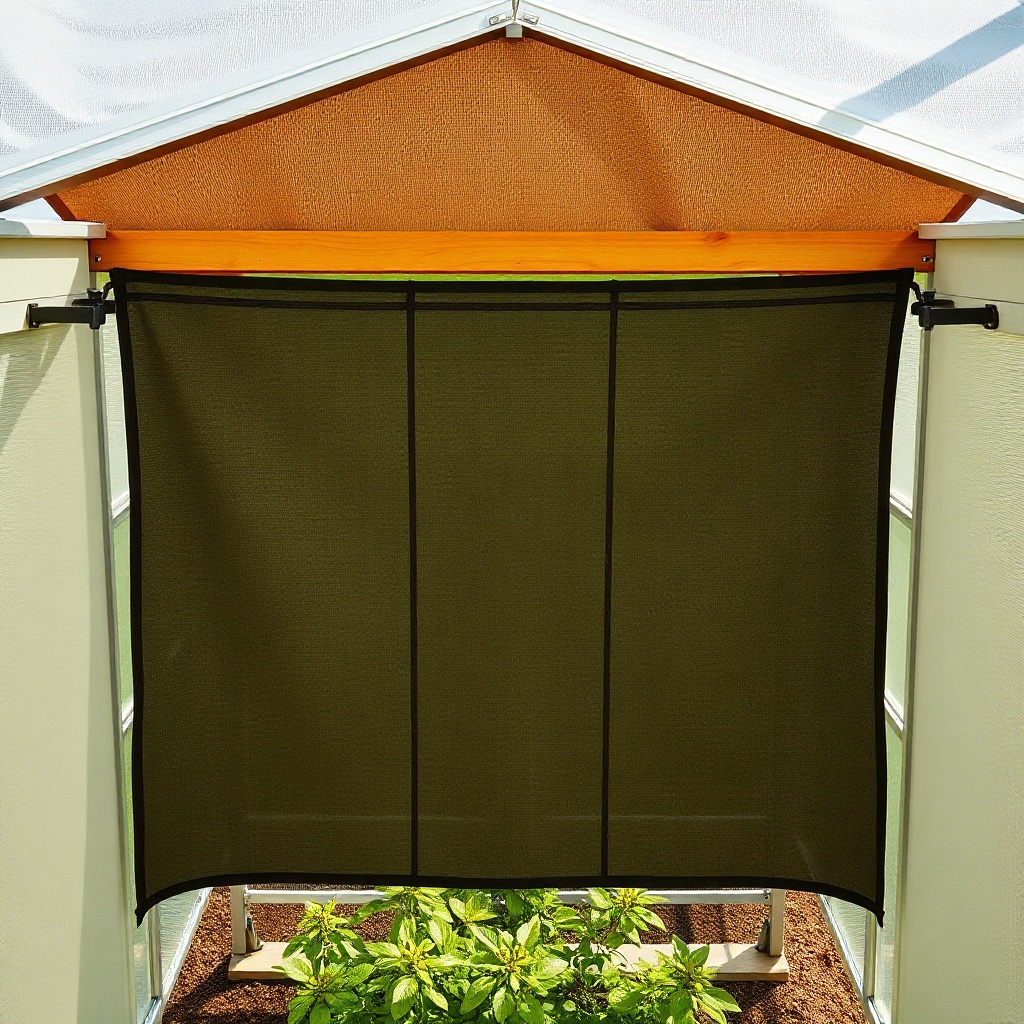
The Suncast 8×6 Tremont’s twin-wall polycarbonate panels are excellent for retaining warmth during cooler months, but they also trap solar radiation, creating a greenhouse effect. When outdoor temperatures exceed 75°F (24°C), the interior can quickly become unbearable for crops like lettuce, herbs, and tomatoes. Without adequate ventilation—such as roof vents, louvered windows, or an automatic shade system—heat builds up rapidly, leading to wilting, reduced yields, and even plant death. Shade systems reduce direct sunlight by 30% to 70%, lowering internal temperatures by 10°F to 15°F (6°C to 8°C) and helping maintain optimal growing conditions. They also protect sensitive plants during heatwaves and extend your growing season.
What Are the Best Automatic Shade Systems for the Suncast 8×6 Tremont?
For the Suncast 8×6 Tremont, you have several reliable options, each with pros and cons in terms of cost, ease of installation, and automation level. Below is a comparison table of the most common systems available in the US market:
| Shade System Type | Automation Method | Shade Percentage | Estimated Cost (USD) | Installation Difficulty | Best For |
|---|---|---|---|---|---|
| Roller Shade with Timer | Programmable timer (12V motor) | 30%-60% | $150–$250 | Moderate | All-around use, consistent shade |
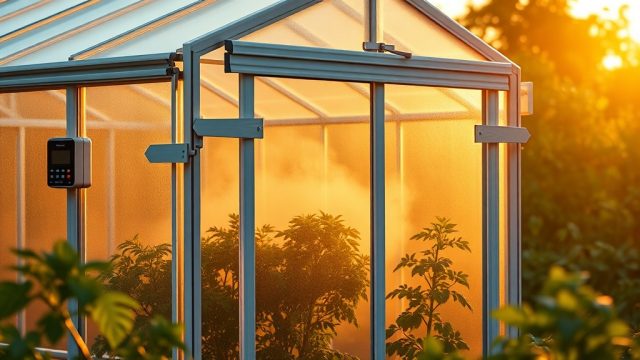
| Retractable Solar Screen | Solar-powered motor + light sensor | 40%-70% | $300–$450 | Challenging | Energy-conscious users, automatic response |
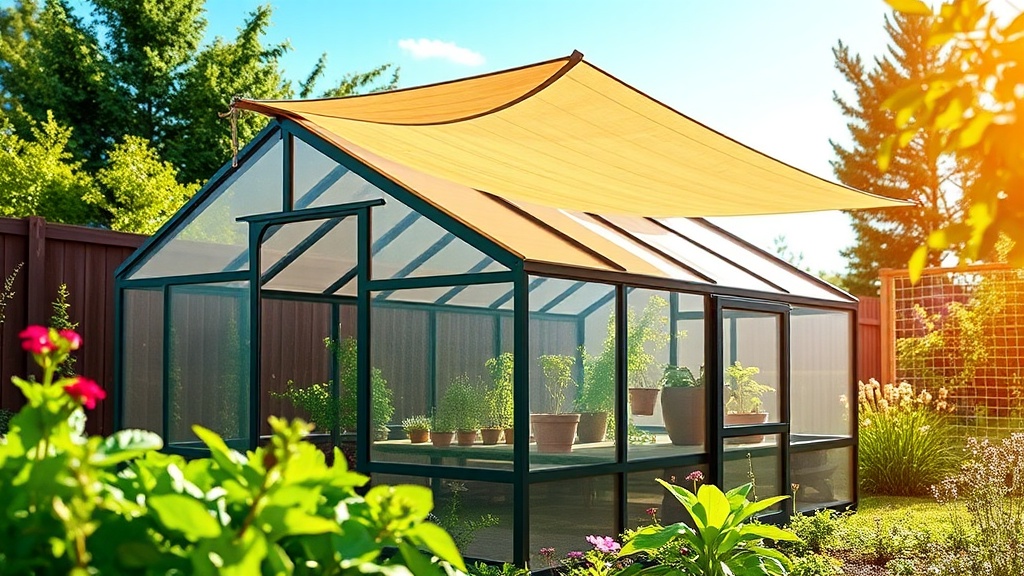
| Fixed Shade Cloth (manual) | None (manual pull or tie) | 50%-80% | $30–$80 | Easy | Budget-savvy gardeners, seasonal shade |
| Aluminum Louver System | Thermostat-controlled actuator | Varies by angle | $500–$700 | Difficult | Permanent heat control, high durability |
| Blackout Curtain System | Remote control or motorized track | 90%-99% | $400–$600 | Moderate | Photoperiod control, extreme heat |
For most Suncast 8×6 Tremont owners, a roller shade with a timer or a retractable solar screen offers the best balance of cost, automation, and performance. Ensure the system you choose is UV-resistant and designed for outdoor greenhouse use, as indoor solutions will degrade quickly.
How Do You Measure and Prepare the Suncast 8×6 Tremont for Shade Installation?
Before purchasing any shade system, accurately measure your greenhouse’s interior or exterior dimensions. The Suncast 8×6 Tremont has an 8-foot (2.44 m) length, 6-foot (1.83 m) width, and a peak height of about 7.5 feet (2.29 m). For roof-mounted shades, measure the sloped panels: each side is roughly 3.5 feet (1.07 m) wide by 8 feet (2.44 m) long. For side-wall shades, measure the rectangular panels (approx. 6 ft wide by 5 ft high). Always add 4–6 inches (10–15 cm) on each side for mounting hardware and tensioning. Mark the mounting points with a pencil and ensure the frame is clean and dry. If you have already completed the Suncast 8×6 Tremont: Complete Assembly Setup Tips, your structure is already ready for modifications. If not, ensure all screws and brackets are tight before drilling or attaching brackets for the shade system.
What Tools and Materials Do You Need for Installation?
To install an automatic shade system on your Suncast 8×6 Tremont, gather the following:
- Shade system kit (e.g., roller shade with motor, or solar screen with sensor)
- Mounting brackets (typically included, but verify compatibility with aluminum frames)
- Stainless steel screws or self-tapping screws (4–6 per bracket)
- Drill with drill bits (for metal and plastic)
- Measuring tape and level
- Wire cutters and electrical tape (if wiring a timer or sensor)
- Ladder (for roof access)
- Safety glasses and gloves
If your system includes a solar panel, ensure it will receive direct sunlight for at least 4–6 hours per day. For motorized units, a nearby weatherproof power outlet or a low-voltage transformer is essential. Test all components before mounting to avoid rework. If you encounter any issues during installation, consult the Suncast 8×6 Tremont: Troubleshooting Common Frame and Panel Issues guide for help with frame alignment or panel adjustments.
How Do You Install an Automatic Shade System Step by Step?
Here is a detailed step-by-step guide for installing a typical roller shade with a timer on the Suncast 8×6 Tremont. The process works similarly for other systems, though sensor placement may vary.
Step 1: Position the Mounting Brackets
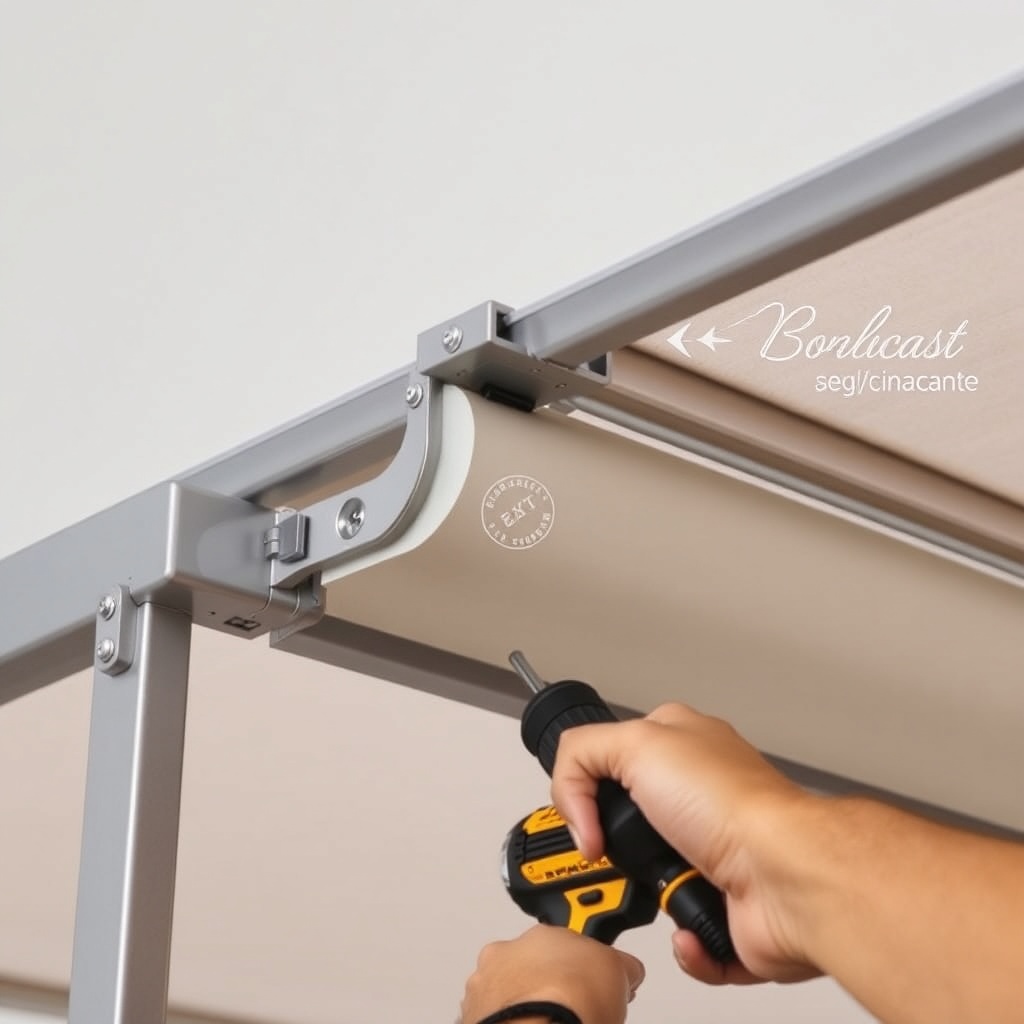
Attach the first bracket to the top rail of the greenhouse, centered on the peak or along the ridge. Use a level to ensure it is straight. Drill pilot holes with a 1/8-inch drill bit, then secure with stainless steel screws. Repeat for the second bracket at the opposite end, typically 6–8 feet apart depending on your shade width. For side-wall shades, mount brackets on the top of the side panel frame.
Step 2: Attach the Roller Shade
Slide the roller tube into the brackets. Most systems have a spring-loaded pin on one side—push it in to fit, then release. Ensure the shade cloth unrolls smoothly without binding. If the fabric is too long, trim it with scissors (seal the edges with a lighter to prevent fraying).
Step 3: Install the Timer or Controller
Mount the timer box inside the greenhouse near a power source (use a GFCI outlet). Follow the manufacturer’s wiring diagram: typically connect the motor wires to the terminal block, then plug in the transformer. Program the timer to deploy the shade mid-morning (e.g., 10:00 AM) and retract it in the late afternoon (e.g., 5:00 PM). Adjust based on your local climate and crop needs.
Step 4: Test the System
Unplug and re-plug the power to test the motor. Ensure the shade rolls up and down evenly. If it binds, check bracket alignment and fabric tension. For solar screens, calibrate the light sensor so the shade activates at a preset brightness (e.g., 30,000 lux). Fine-tune over the next few days.
Step 5: Secure Cables and Panels
Use cable ties to route power cords away from walkways and sharp edges. If your greenhouse already has the Suncast 8×6 Tremont: Winter-Proofing with Proper Sealing Techniques applied, be careful not to disturb any seals. Finally, clean the polycarbonate panels to ensure maximum light transmission when the shade is retracted.
What Owners Say About Their Suncast 8×6 Tremont Shade Systems
Many gardeners report that adding an automatic shade system transformed their greenhouse experience. One owner in Texas noted that after installing a solar-powered retractable screen, his tomato plants stopped showing blossom-end rot and yielded 20% more fruit during the summer. Another enthusiast in Oregon mentioned that the timer-based roller shade allowed her to grow cool-season crops like spinach and kale well into June, whereas before the greenhouse would overheat by late morning. Some owners on forums caution that cheaper fixed shade cloths can be cumbersome to adjust manually, especially during sudden heatwaves, and recommend investing in automation for consistent results. Overall, the consensus is that the Suncast 8×6 Tremont performs best when combined with both ventilation (like roof vents) and a shade system. For those building custom setups, the Suncast 8×6 Tremont: DIY Custom Shelving Plans for Small Greenhouses can help organize plants to maximize airflow under the shade.
Frequently Asked Questions
- Can I install an automatic shade system on a Suncast 8×6 Tremont without damaging the panels?
Yes, most systems mount on the aluminum frame, not on the polycarbonate panels. Use self-tapping screws designed for metal to avoid cracking the panels. If you must attach something to the panels, use UV-resistant adhesive clips. - Will a shade system completely eliminate the need for ventilation fans?
No, shade reduces heat but does not remove humidity or stale air. For best results, use the shade in conjunction with roof vents or a small exhaust fan. Proper ventilation also helps prevent mold and mildew. - How much does a good automatic shade system cost for the Suncast 8×6 Tremont?
Expect to spend between $150 and $700 USD, depending on automation level. A timer-based roller shade is the most popular option at $150–$250, while a solar-powered retractable system runs $300–$450. - Do I need to remove the shade in winter?
Shade cloth can remain installed year-round, but for winter, you may want to retract it fully to maximize light. Some systems allow you to increase the shade percentage in summer and decrease it in winter via adjustable settings. - Will a shade system interfere with my Suncast 8×6 Tremont: Watering Schedule for Optimal Growth?
No, shade systems work independently of watering, but they do reduce evaporation. Monitor soil moisture more closely during shaded periods—your plants may need slightly less water. The Suncast 8×6 Tremont: Optimizing Watering Schedule for Seasonal Growth guide can help adjust for seasonal changes. - Can I automate both shade and ventilation together?
Yes, many smart greenhouse controllers can manage both. For example, a thermostat can trigger a vent opener when the temperature reaches 85°F (29°C) and deploy the shade at 90°F (32°C) for layered heat control.