Why Consider the Palram Canopia Harmony 6×8 for Better Heating and Insulation?
For dedicated greenhouse gardeners, maintaining stable temperatures is often the difference between a thriving crop and a disappointing harvest. The Palram Canopia Harmony 6×8 greenhouse addresses this challenge head-on with its twin-wall polycarbonate glazing, a feature that sets it apart from cheaper single-wall models. This article examines how this specific design improves thermal retention, reduces heating costs, and extends the growing season for hobbyists with limited space.
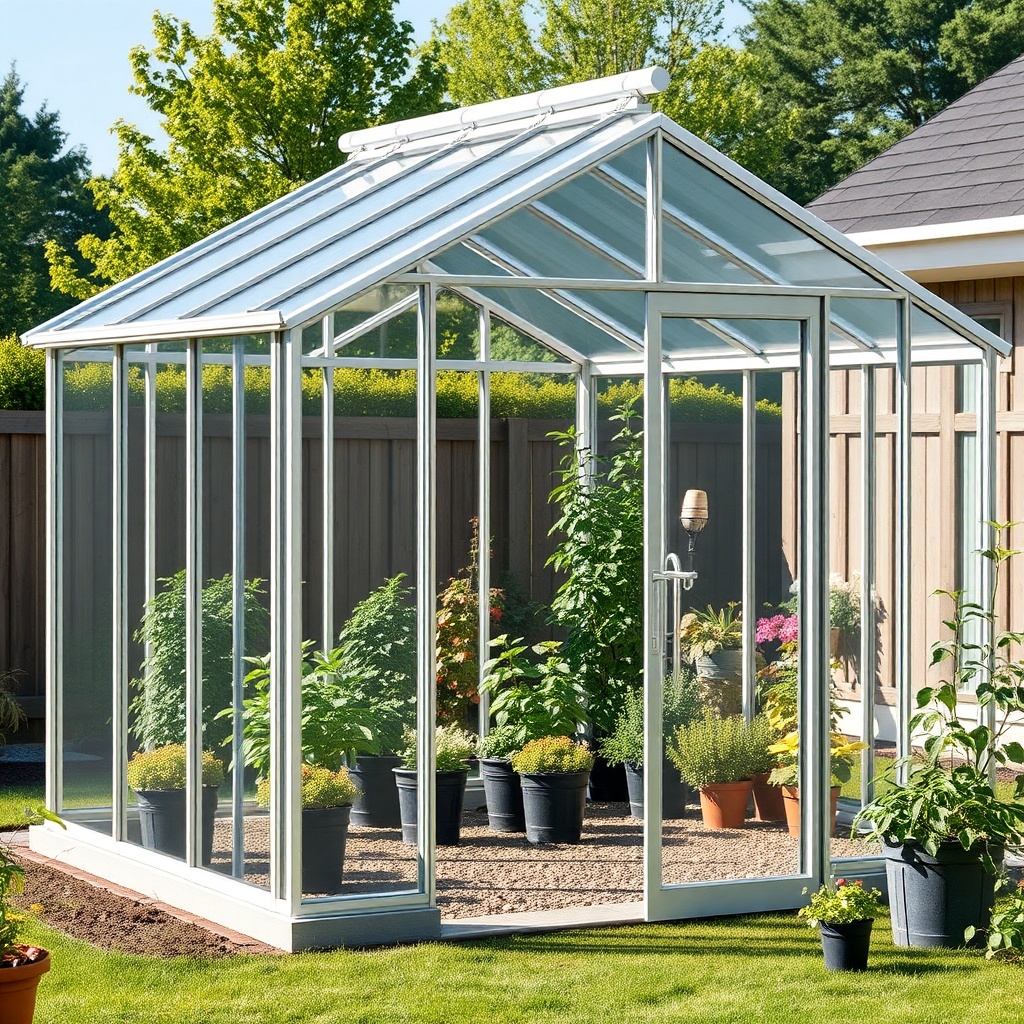
Unlike glass or single-pane polyethylene, twin-wall polycarbonate traps air between layers, creating a natural insulating barrier. This greenhouse model takes advantage of that technology, providing a structure that holds heat better during cold nights while reducing the risk of overheating on sunny days. Whether you are starting seedlings early or overwintering tender perennials, the Harmony 6×8 offers a practical solution to temperature management.
How Does Twin-Wall Polycarbonate Glazing Improve Insulation in the Harmony 6×8?
The primary insulation benefit of the Palram Canopia Harmony 6×8 comes from its 6mm twin-wall polycarbonate panels. These panels consist of two layers of polycarbonate with an internal rib structure that creates air pockets. Still air is a poor conductor of heat, so these pockets significantly slow heat transfer between the interior and exterior of the greenhouse.
Compared to single-wall polycarbonate or glass, twin-wall glazing can reduce heat loss by up to 40-50% in controlled tests. For a 6×8 foot structure, this means less cold air intrusion during winter nights and slower heat dissipation after the sun sets. The panels also scatter light effectively, reducing hot spots and creating a more uniform temperature distribution for your plants.
Key Thermal Properties of the Harmony 6×8 Panels
- U-Value (Heat Transfer Coefficient): Approximately 2.7 W/m²K for 6mm twin-wall polycarbonate, compared to 5.7 W/m²K for single glass.
- Light Transmission: Around 80% diffuse light transmission, which reduces UV damage and provides soft, even lighting for photosynthesis.
- Impact Resistance: Polycarbonate is 200 times stronger than glass, so it withstands hail and debris better while maintaining insulation integrity.
What Is the Estimated Heating Cost Savings With the Harmony 6×8?
While exact savings depend on local climate and heater efficiency, upgrading from a single-wall polycarbonate or glass greenhouse to the Harmony 6×8’s twin-wall system can lower heating bills noticeably. For a typical user in a temperate zone (USDA zones 6-8), a 6×8 greenhouse with twin-wall glazing might require 30-50% less energy to maintain 10°C (50°F) above outside temperature during cold months.
To illustrate, consider a scenario where a single-wall greenhouse needs a 1,500-watt heater running 10 hours per night during December. With the Harmony 6×8’s better insulation, a 900-watt heater could provide the same warmth, saving about 6 kWh per night. At a rate of $0.12 per kWh (US national average), that equates to roughly $0.72 saved nightly, or over $65 per heating season. These numbers can add up significantly in colder regions.
| Glazing Type | U-Value (W/m²K) | Estimated Heat Loss (6×8, 10°C ΔT) | Typical Annual Heating Cost (Zone 6) |
|---|---|---|---|
| Single Glass (4mm) | 5.7 | ~1,200 BTU/hr | $250–$350 |
| Single Polycarbonate (6mm) | 3.5 | ~900 BTU/hr | $200–$280 |
| Twin-Wall Polycarbonate (6mm) – Harmony 6×8 | 2.7 | ~650 BTU/hr | $150–$220 |
Cost estimates assume electric heat at $0.12/kWh, 6-month heating season, average temperature difference of 10°C (18°F).
For more ways to reduce heating needs, see our guide on Palram Canopia Harmony 6×8: Passive Solar Heating Methods to Extend Your Growing Season.
How Does the Frame Design Support Thermal Performance and Prevent Cold Bridging?
Insulation is not only about the glazing; the frame plays a critical role. The Palram Canopia Harmony 6×8 uses a galvanized steel frame with a powder-coated finish, which resists rust and maintains structural integrity. However, metal frames can act as thermal bridges—areas where heat escapes more easily than through the panels.
To counter this, the Harmony 6×8 incorporates rubber gaskets and thermoplastic sealing strips at all panel-to-frame junctions. These seals reduce heat loss around the frame edges and minimize condensation runoff that can cause cold spots. The frame’s design also allows for easy addition of insulation strips or bubble wrap lining on the interior during extreme cold, enhancing overall thermal performance without major modifications.
Practical Frame Insulation Tips
- Check that all gaskets are seated properly during assembly; loose seals are a common source of heat loss.
- Apply silicone caulk at any gaps between frame sections, especially at corners and sliding door tracks.
- Consider adding a thermal curtain or insulated end wall if you live in zone 5 or colder.
Can the Harmony 6×8 Be Used Year-Round Without Excessive Heating?
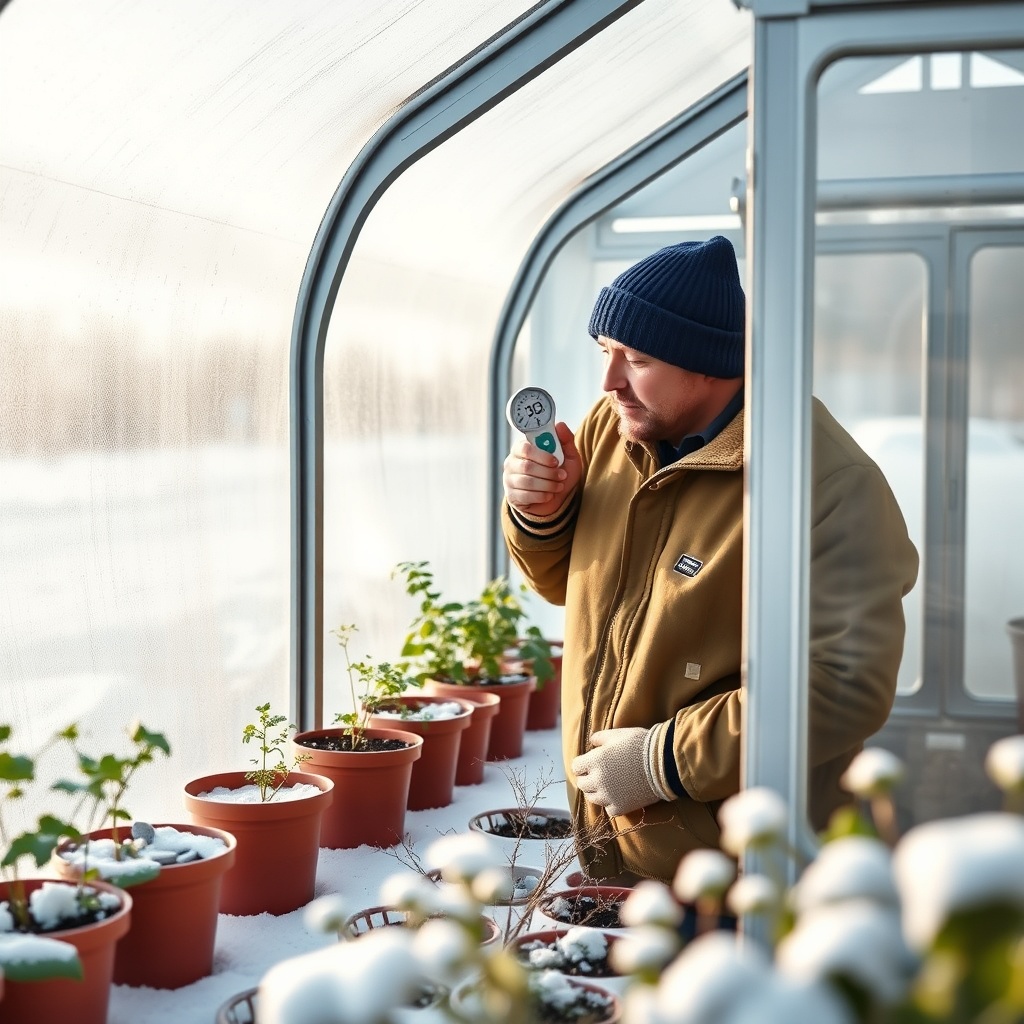
With its twin-wall polycarbonate panels, the Harmony 6×8 is designed for extended season use, but absolute year-round heating without any supplemental heat is only possible in mild climates (USDA zones 8-10). In cooler zones, the greenhouse can keep temperatures 5-10°F (3-6°C) above outside overnight without heaters, thanks to the insulation and passive solar gain.
During winter, the structure allows you to start seedlings 4-6 weeks earlier than outdoors. Even on overcast days, the diffused light transmission keeps plants photosynthesizing while the insulated panels prevent rapid temperature drops. For truly cold winters (zone 6 or colder), a small thermostat-controlled heater (250-500 watts) is recommended to keep the interior above freezing during extreme lows, but the twin-wall glazing will drastically reduce runtime.
Proper air circulation can further help regulate temperatures. Learn how in Palram Canopia Harmony 6×8: Optimizing Air Circulation with Fans.
What Owners Say About the Insulation and Heating Performance
Feedback from Harmony 6×8 owners consistently highlights the effectiveness of the twin-wall polycarbonate glazing. Many users report that their greenhouses stay 10-15°F (6-9°C) warmer than outside temperatures on cold nights, even without supplemental heat. Others note that the panels do not fog up as much as single-wall models, which improves light penetration and reduces mold issues.
One owner in the Pacific Northwest (USDA zone 8) shared: “I was skeptical about spending more on twin-wall, but after two winters, I’ve saved over $100 on heating compared to my old glass greenhouse. The temperature stays much steadier.” Another user in Colorado (zone 5) added: “Even with the frame being metal, the rubber seals work well. I added some bubble wrap on the north wall in January, and my tomatoes survived a 15°F night with just a small heater.”
Common praise points include:
- Noticeable reduction in temperature swings between day and night.
- Warmer soil temperatures in early spring, benefiting root development.
- Less condensation dripping on plants compared to single-pane models.
Some owners suggest reinforcing the frames with insulation tape for extreme climates, and many recommend placing the greenhouse in a sheltered location to maximize passive solar gain. For shelving ideas to maximize space while maintaining airflow, check out Palram Canopia Harmony 6×8: DIY Custom Shelving Plans for Small Greenhouses.
Frequently Asked Questions
How much does the Palram Canopia Harmony 6×8 cost?
The retail price typically ranges from $550 to $700 USD, depending on the retailer and current promotions. This includes the frame, twin-wall polycarbonate panels, door, and hardware.
Can I add an electric heater to the Harmony 6×8?
Yes, the greenhouse is compatible with portable electric heaters. Ensure the heater is placed on a stable surface and has tip-over protection. A 500-750 watt heater is sufficient for most mild winters, but in colder zones (6 and below), a 1,000-1,500 watt heater may be necessary.
Does the twin-wall polycarbonate yellow over time?
The panels are treated with UV protection to resist yellowing for up to 10 years. With proper care, they maintain clarity and insulation performance. Regular cleaning with mild soap and water helps prolong their life.
What is the best foundation for the Harmony 6×8 to improve insulation?
A concrete slab or paved base provides the best thermal mass and reduces ground heat loss. For uneven terrain, consider a level gravel base with a weed barrier. See our guide on Palram Canopia Harmony 6×8: Ground Preparation Tips for Uneven Terrain.
Do I need winter venting if it is well-insulated?
Yes, even in winter, some ventilation is crucial to prevent humidity buildup and fungal diseases. The Harmony 6×8 includes a roof vent, but you may want to add a small fan or bottom vent for air exchange. Learn how to Palram Canopia Harmony 6×8: Proper Cleaning and Maintenance for Polycarbonate Panels to keep vents unobstructed.
How long does it take to assemble the Harmony 6×8?
Most owners report assembly times between 4-8 hours with two people. The instruction manual is clear, and all parts are pre-drilled. Pay close attention to the gasket placement to ensure proper insulation from the start.