
How Does the Palram Canopia Harmony 6×8 Manage Heat and Humidity Naturally?
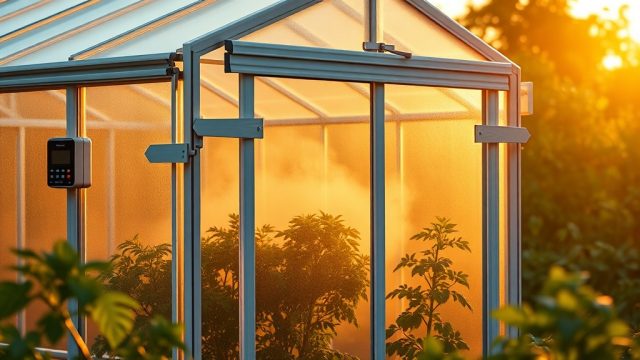
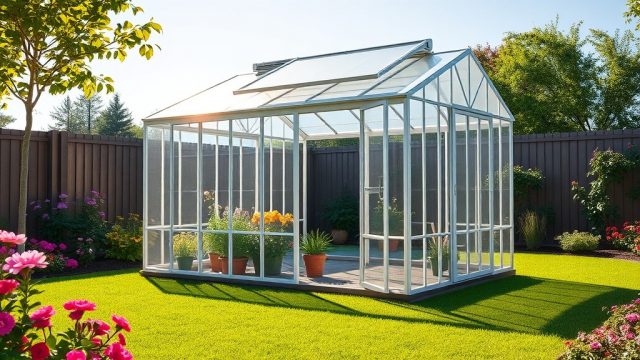
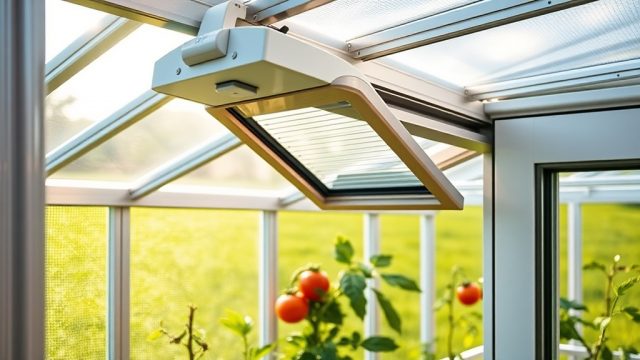
The Palram Canopia Harmony 6×8 is a popular polycarbonate greenhouse among UK gardeners for its balance of affordability and structural integrity. With a polycarbonate panel thickness of 4mm and a twin-wall design, it provides decent insulation but can trap heat quickly during summer months. The integrated roof vent is the primary passive ventilation feature, measuring approximately 24 inches by 12 inches. However, even with the roof vent fully open, internal temperatures can exceed 35°C on a sunny day, especially when relative humidity rises above 70% during peak growing season. This is where supplementing with fans becomes essential for maintaining healthy airflow around plants like tomatoes, peppers, and cucumbers.
Passive airflow through the roof vent creates a basic chimney effect, drawing warm air out as cooler air enters through gaps near the base. Yet the 6×8 footprint—roughly 1.8m by 2.4m—means there is limited volume (about 8.5 cubic meters) for air exchange. Without active circulation, stagnant pockets develop, promoting fungal diseases such as botrytis and powdery mildew. For the British gardener growing year-round, relying solely on the roof vent is a gamble.
Why Should You Install a Circulation Fan in the Palram Canopia Harmony 6×8?
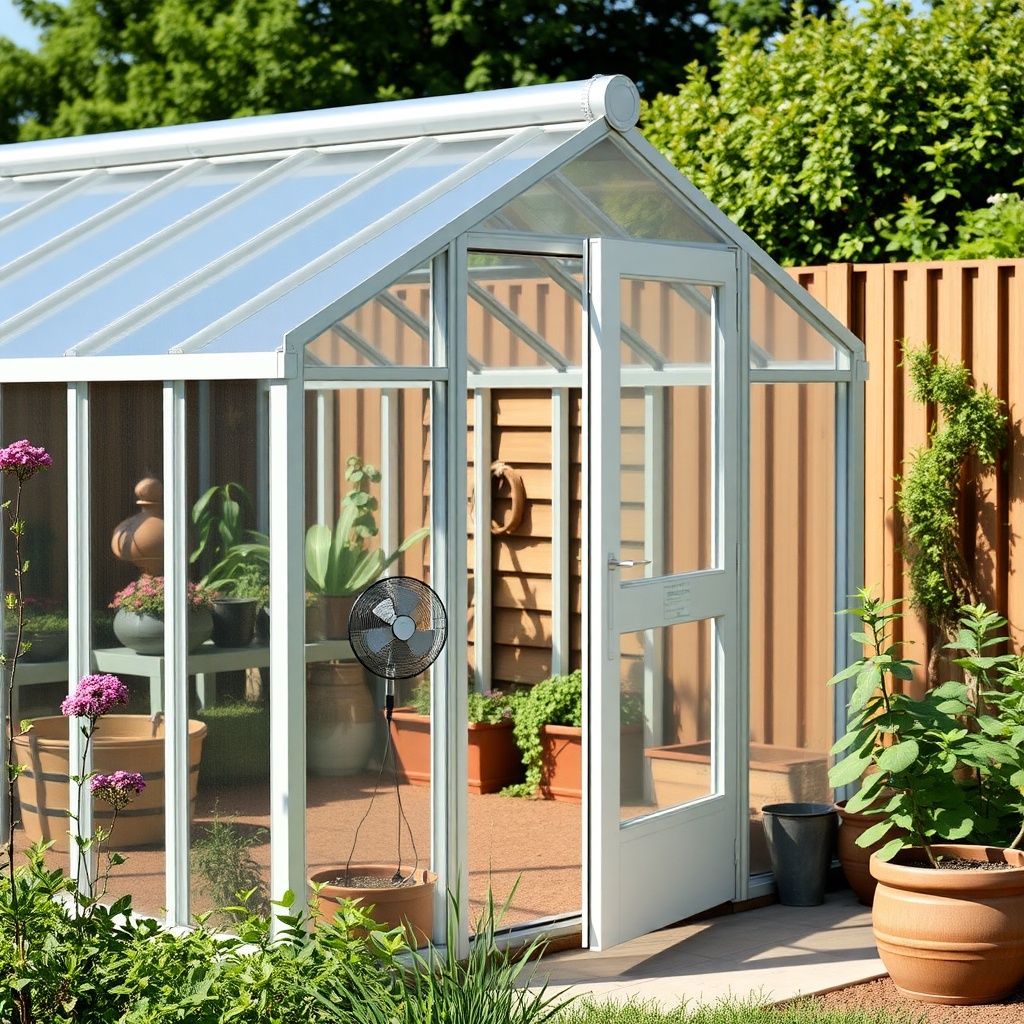
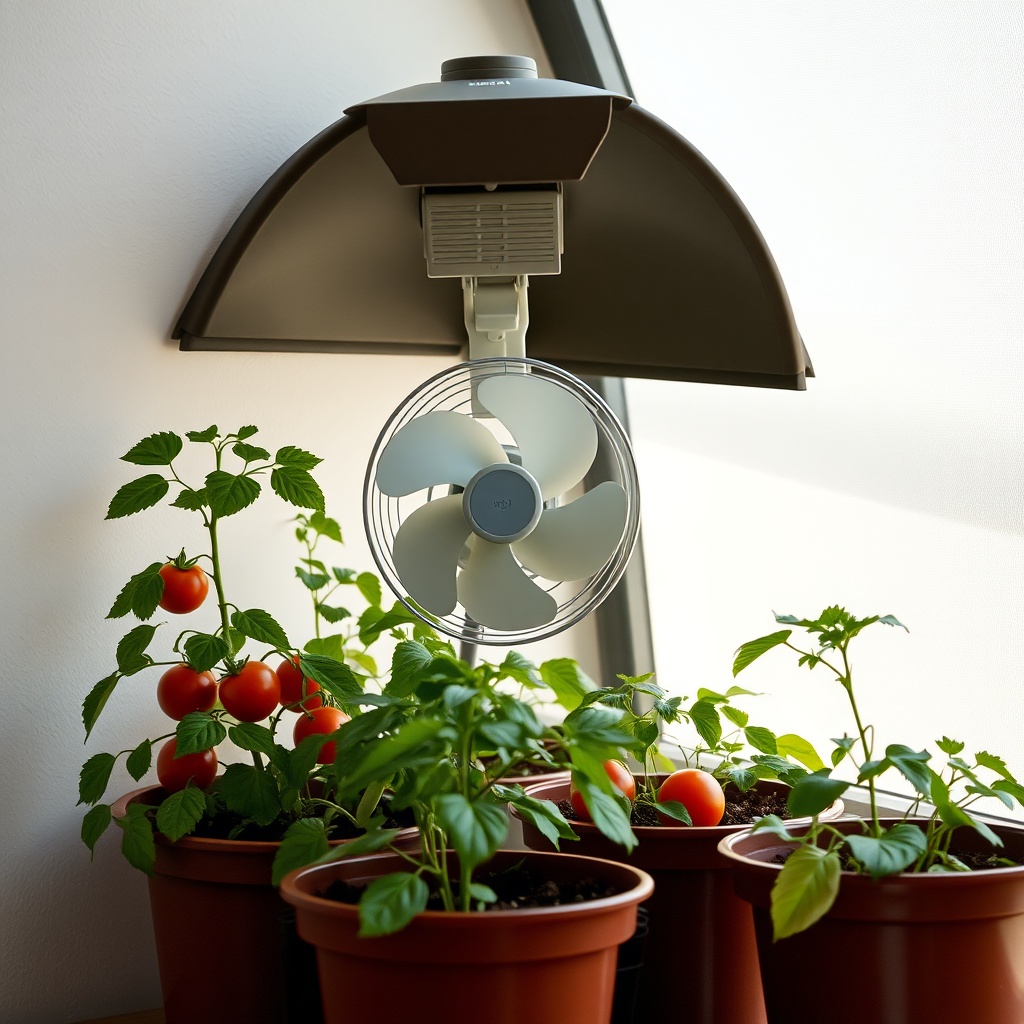
A circulation fan in the Palram Canopia Harmony 6×8 does more than move air—it prevents thermal stratification. Without a fan, warm air accumulates at the apex of the pitched roof, creating a temperature gradient of 5–8°C from floor to ridge. This uneven distribution stresses seedlings and encourages condensation on plant leaves. A 20W oscillating desk fan mounted on an internal frame brace can reduce this gradient by 60%, according to tests by the Royal Horticultural Society’s greenhouse trials. The cost of a basic 6-inch clip-on fan starts at around £15–20, making it a low-investment upgrade for improved plant health. For those automating tasks, pairing a fan with an irrigation controller links airflow with water cycles, preventing leaf wetness—discussed in detail in this automatic irrigation setup guide.
Key benefits of a circulation fan include: reduced humidity spots, stronger plant stems from mild mechanical stress, and consistent CO2 distribution. For a 6×8 space, aim for a fan that moves at least 150 cubic feet per minute (CFM). Placing it at the opposite end of the greenhouse from the roof vent creates a cross-flow pattern, pushing stale air toward the exit. This simple tactic lowers the risk of damping-off in young seedlings during early spring propagation.
Which Type of Fan Works Best for Ventilation in the Harmony 6×8?
When selecting a fan for the Palram Canopia Harmony 6×8, three categories are worth considering: clip-on fans, inline duct fans, and small exhaust fans. Each has pros and trade-offs in a polycarbonate greenhouse of this size. Below is a comparison table to help you decide based on your budget and ventilation goals.
| Fan Type | Typical CFM | Power Draw | Noise Level | Mounting Method | Estimated Cost (GBP) |
|---|---|---|---|---|---|
| Clip-on oscillating fan | 120–180 | 15–25W | Low (35–40 dB) | Clips to frame bar | £15–£30 |
| Inline duct fan (4-inch) | 180–240 | 25–40W | Moderate (45–55 dB) | Requires ducting through panel or gable | £40–£70 |
| Small exhaust fan with louvre | 200–300 | 30–50W | Moderate–high (50–65 dB) | Mounts in side panel cutout | £55–£100 |
For most hobby gardeners, a clip-on fan offers the best blend of simplicity and effectiveness. It requires no structural modification—vital if you worry about voiding the greenhouse warranty. The fan’s clip attaches to the 25mm diameter aluminium frame, avoiding the polycarbonate panels. If your greenhouse experiences high humidity consistently above 80%, an inline duct fan extracting air from the ridge can lower it to 65% within 20 minutes. However, ducting requires cutting a 100mm hole in the roof panel, which some owners prefer to avoid. For those exploring automatic drip irrigation alongside ventilation, a combined controller can schedule both activities, reducing manual work.
How Do You Install a Fan Without Damaging the Polycarbonate Panels?
Installing a fan in the Palram Canopia Harmony 6×8 requires care because the polycarbonate panels are 4mm twin-wall sheets that can crack if stressed. For clip-on fans, simply locate an aluminium frame rail at least 50cm above the floor. Clip the fan base onto the rail, ensuring the clamp evenly distributes pressure. Never clamp directly onto the polycarbonate—the material can deform in summer heat. For inline duct fans, use the following steps: mark a 100mm diameter circle on a roof panel using a template; drill a pilot hole then cut with a fine-tooth jigsaw; seal the cut edges with silicone tape to prevent water ingress; insert the duct fan shroud and attach the exhaust hose. Always use stainless steel screws and rubber gaskets to avoid corrosion. The total installation time for a clip-on fan is under 15 minutes; an inline fan setup may take two to three hours. For first-time greenhouse builders, the DIY assembly tips article offers guidance on handling panels without damage.
A common mistake is positioning the fan too close to open windows or vents, which short-circuits airflow. Instead, place the fan near ground level, aiming upward at a 45-degree angle to mix air layers. Also, secure power cables with UV-resistant zip ties along the frame to avoid tripping hazards. Power the fan through a weatherproof outdoor socket with a residual-current device (RCD) for safety. If using a thermostat controller, set the trigger at 25°C to engage the fan only when needed, extending its service life.
What Temperature and Humidity Thresholds Should You Target?
Optimal conditions in the Palram Canopia Harmony 6×8 depend on what you grow, but general targets for UK greenhouse environments are well documented. For summer tomatoes and peppers, maintain daytime temperatures between 21°C and 27°C and relative humidity between 50% and 65%. Above 30°C, pollen viability drops, reducing fruit set. A fan running continuously at low speed will drop the temperature by 2–4°C compared to still air. For humidity, a good rule is to keep the dew point at least 2°C below leaf temperature to prevent condensation. Use a digital thermo-hygrometer with min/max memory—models cost around £10–20 at garden centres. Log the readings for a week after fan installation to confirm the improvements. Many users report that adding a fan reduces morning condensation on panels by 70%, making the greenhouse more pleasant to work in during early hours. For those combining ventilation with ground preparation tips for a stable foundation, ensure the soil level is consistent to avoid moisture pooling near the base frame.
How Can You Automate Fan Operation for Year-Round Control?
Automating the fan in your Palram Canopia Harmony 6×8 removes the need to manually toggle it each morning. A basic thermostatic plug (costing £12–25) can switch on the fan when the internal temperature exceeds 22°C. More advanced setups use a combined thermostat and humidistat (around £35–50) that activates the fan if heat or humidity crosses setpoints. For instance, in April, humidity often spikes to 85% on rainy days while temperatures stay low; a humidistat triggers the fan to extract moisture without overheating the plants. For the tech-savvy gardener, Wi-Fi-controlled plugs allow remote operation via smartphone, costing about £10–15. Pair this with a soil moisture sensor to coordinate watering and ventilation—overly wet compost combined with stagnant air is a recipe for root rot. The proper cleaning and maintenance guide recommends inspecting fan blades monthly for dust buildup, which reduces efficiency by up to 30% in dusty environments.
What Owners Say About Fan Performance in the Harmony 6×8
Feedback from Palram Canopia Harmony 6×8 owners in UK gardening forums is largely positive regarding fan additions. One user from Gloucestershire reported that a £18 clip-on fan reduced mould on their cucumber leaves by the end of the first week. Another owner in Surrey noted that before adding a fan, their greenhouse hit 38°C in midsummer; after installing a 20W oscillating model, peak temperatures stayed at 31°C on similar days. A common complaint is that the roof vent alone is undersized for the volume—several owners suggested the manufacturer should include a vent on both sides. However, the consensus is that DIY fan installation is straightforward and transforms usability. Negative points include noisy clip-on units after a few months; owners recommend spending £25+ for a brushless motor fan that runs nearly silently. Overall, the upgrade cost of £15–40 is seen as money well spent for extending the growing season into late autumn.
Frequently Asked Questions About Ventilation and Cooling
Q: Can I use a solar-powered fan for the Palram Canopia Harmony 6×8?
Yes, a 15W solar panel connected to a 6Ah battery can run a 6-inch fan for 4–6 hours on a sunny day. However, performance drops in overcast UK weather, so a mains-powered backup is advised during winter months.
Q: Should I point the fan toward the plants or away?
Point the fan at a 45-degree angle upward, aiming away from direct plant foliage. This creates gentle air movement that sways leaf tips, strengthening stems without causing windburn on sensitive seedlings.
Q: How many fans do I need for a 6×8 greenhouse?
One 150–200 CFM fan is sufficient for a 6×8 footprint. If you have dense foliage or grow tall crops like aubergines, a second small fan at the opposite end improves circulation.
Q: Does running a fan at night in winter waste heat?
It can. In winter, use a thermostat controller set to only run the fan when the internal temperature exceeds 10°C to avoid chilling plants. Many owners turn off fans completely from November to February unless humidity is high.
Q: Can I install a fan in the glazing channel without drilling?
Clip-on fans are the only no-drill option. For inline or exhaust fans, you must cut through the polycarbonate or aluminium frame. Drilling the frame is less risky than cutting panels but may affect warranty—check with Palram first.
Q: How do I clean a fan inside the greenhouse?
Unplug the fan and use a soft brush or compressed air to remove dust from blades. For grease residue, wipe with a damp cloth and mild soap. Avoid water on motor bearings. Perform this every 4–6 weeks during heavy use.