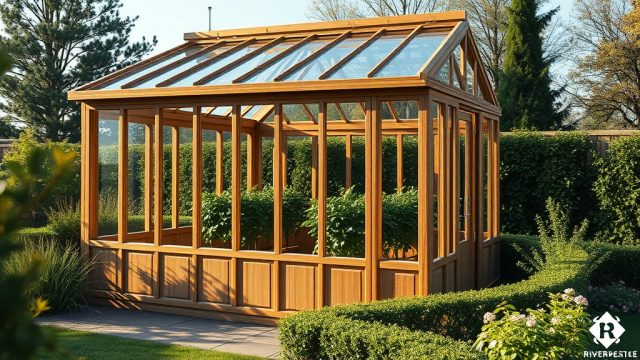

How Often Should Polycarbonate Panels on the Palram Canopia Harmony 6×8 Be Cleaned?
Cleaning the polycarbonate panels on your Palram Canopia Harmony 6×8 is not just about appearance—it directly impacts light transmission and the longevity of the greenhouse. Dust, bird droppings, and mineral deposits from rainwater can build up over time, reducing the amount of photosynthetically active radiation (PAR) that reaches your plants. A consistent cleaning schedule prevents the polycarbonate from becoming permanently etched or clouded.
For most climates, a thorough cleaning every three to four months is adequate. However, if you live near a busy road, an industrial area, or under a canopy of trees that drop sap or pollen, you may need to clean every six to eight weeks. During autumn and spring, when debris accumulation peaks, a simple visual inspection every two weeks helps you catch grime before it hardens. The goal is to maintain the translucent panels at 85-90% light transmission, which the Harmony 6×8 is designed to achieve when clean.
Before starting, always check the manufacturer’s recommendations. Palram advises against cleaning polycarbonate during direct sunlight or high heat, as the panels can expand and cleaning solutions may dry too quickly, leaving streaks. Early morning or late afternoon, with temperatures below 30°C (86°F), is ideal.
Remember that proper cleaning goes hand in hand with proper assembly. If corners are not sealed correctly during build, dirt and moisture can enter between the twin-wall layers, making internal cleaning impossible without disassembly.
What Cleaning Agents Are Safe for the Polycarbonate Panels?
Polycarbonate is a durable thermoplastic, but it is sensitive to certain chemicals. Using the wrong cleaning agent can cause micro-crazing (fine surface cracks), yellowing, or a permanent hazy appearance. To protect your investment of around £850 to £1,100 (depending on current market prices), stick to pH-neutral, non-abrasive cleaners. Dish soap (like a mild, eco-friendly liquid soap) mixed with lukewarm water at a ratio of 1 teaspoon per 2 litres of water is perfectly safe.
Avoid at all costs: ammonia-based glass cleaners (common brands like Windex), acetone, benzene, bleach, and any abrasive scouring powders. Even window cleaners containing vinegar or alcohol can damage the UV protective coating on the panels over time. The Palram Canopia Harmony 6×8 panels come with a factory-applied UV protection layer that must remain intact to prevent embrittlement.
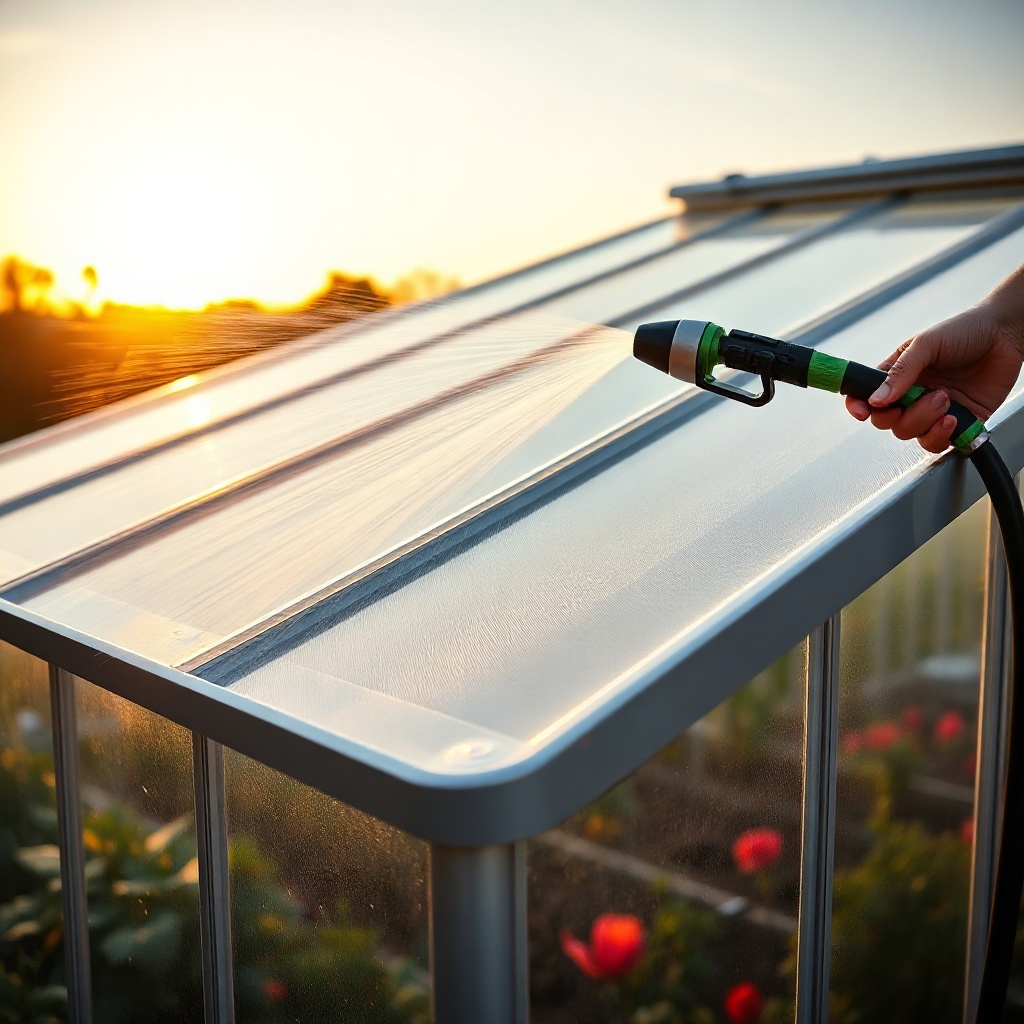
For stubborn bird droppings or dried tree sap, let the soapy water soak on the spot for three to five minutes before gently rinsing with a low-pressure hose. Never use a pressure washer on polycarbonate—the high pressure can force water between the twin-wall layers or damage the panel edges, leading to algae growth inside the panel.
If you are also working on greenhouse automation, you may appreciate the ease of automatic irrigation system setup, which keeps your plants hydrated without manual intervention. With that system in place, you can focus more on panel maintenance.
Which Tools and Materials Complete the Job Without Damaging the Panels?
Having the right tools prevents scratches and ensures efficient cleaning. Here is a comparison of recommended versus unsafe tools:
| Tool/Material | Recommended | Not Recommended | Cost (Approx.) |
|---|---|---|---|
| Cleaning cloth/sponge | Microfiber cloth or soft cellulose sponge | Scrub brushes, steel wool, abrasive pads | £5 – £12 |
| Water source | Low-pressure garden hose with spray nozzle | Pressure washer (even low power can damage) | N/A |
| Cleaning solution | Mild pH-neutral soap + lukewarm water | Ammonia, bleach, acetone, vinegar | £2 – £6 (soap per bottle) |
| Extension tool | Soft-bristle brush on a telescopic handle (nylon bristles) | Metal-bristle brush, hard plastic scraper | £15 – £25 |
| Drying method | Squeegee with soft rubber blade or microfiber drying towel | Rough cloth, paper towels (may scratch) | £8 – £15 |
| Ladder | Non-slip step ladder (3-step minimum) | Leaning ladder on panels (causes stress cracks) | £30 – £60 |
Always test a new cleaning tool on a small, inconspicuous area of a panel first. For example, use the inner corner of a roof panel where it meets the frame. If the surface remains clear and uniform after drying, the tool is safe.
What Is the Correct Step-by-Step Cleaning Procedure for the Entire Greenhouse?
A methodical approach ensures every panel is cleaned without skipping sections that may hide algae or grime. Follow these steps for the Palram Canopia Harmony 6×8 (approximately 6 feet by 8 feet, or 1.8 x 2.4 m base).
Step 1: Preparation
- Clear all plant pots, trays, and equipment from inside the greenhouse. Move portable benches outside if possible.
- Remove or cover any electrical devices (e.g., fan, heater, thermostat) with a plastic sheet to protect from moisture.
- Close all doors and vents to prevent cleaning solution from entering the internal cavity of the panels.
Step 2: Dry Removal
- Using a soft, dry microfiber cloth or a feather duster with a long handle, gently remove loose dust, spider webs, and dry debris from the framework and panels. This step prevents turning dirt into mud later.
- Pay special attention to the roof ridge channels and gutters where leaves accumulate.
Step 3: Soak and Wash
- Fill a bucket with 5 litres of warm water plus 2.5 teaspoons of mild pH-neutral soap. Stir gently until suds form.
- Starting from the top ridge of the greenhouse, wet one panel section at a time using your soft sponge or microfiber cloth. Work the soapy water in gentle circular motions.
- Do not scrub aggressively; let the soap dissolve organic matter. For tough spots, allow a five-minute dwell time before rinsing.
Step 4: Rinse Thoroughly
- Using a low-pressure hose with a spray nozzle set to a gentle shower, rinse the panel from top to bottom. The water should flow downward, carrying soap away without pooling in the frame channels.
- Avoid aiming the hose directly at panel edges or joints, as water pressure can force the seals apart over time.
Step 5: Dry and Inspect
- Use a clean microfiber towel or a soft rubber squeegee to dry the panels, moving in vertical strokes. Drying prevents water spots.
- Inspect each panel for cracks, cloudiness, or separation from the aluminum frame. If you notice any warped or damaged panels, contact Palram for replacement panels (typically costs range from £40 to £100 per panel depending on size).
Step 6: Reassemble and Reinstall
- Once all panels and the aluminum frame are dry (wait at least 30 minutes), replace any covers or objects you moved.
- Check that the roof vent automatic opener (if fitted) moves freely. For more insight on choosing vent automation, read our guide: Palram Canopia Harmony 6×8: Automatic Roof Vent Opener vs Manual Windows – Which Is Better?.
If you plan to install automatic irrigation alongside your cleaning routine, the automatic drip irrigation setup guide can save you additional time on watering.
How Should I Protect the Aluminum Frame and Glass Door from Corrosion and Wear?
The Palram Canopia Harmony 6×8 features a corrosion-resistant aluminum frame, but the sliding door tracks, hinges, and screw heads are vulnerable points. During regular cleaning, inspect these metal components:
- Door tracks: Use a toothbrush dipped in soapy water to scrub out soil and debris. Rinse with a low-pressure hose. Apply a very light coat of silicone spray (not WD-40, which attracts dust) to the track once a month to ensure smooth sliding.
- Hinges and handles: Wipe with a damp cloth and dry immediately. Apply a drop of white lithium grease to hinge pins annually.
- Aluminum frame: Clean with mild soap and water, rinse, and dry. Avoid metal polishes or abrasive compounds, which can strip the anodized coating.
- Glass door: If your model includes a tempered glass door, clean it with standard glass cleaner (ensure no ammonia) and a lint-free cloth. Check the rubber seal around the door for tears, replacing if necessary (seals cost about £8–£15).
Ground preparation also affects how well the frame sits. The ground preparation tips for a stable foundation will help you keep the base level and prevent uneven stress on the door and panels.
What Owners Say About Long-Term Maintenance of the Palram Canopia Harmony 6×8
Experienced greenhouse owners often describe the Harmony 6×8 as “low-maintenance but not no-maintenance.” Many report that after the first year, the polycarbonate panels remain clear if cleaned twice per season. A frequent positive remark is the quick-drying nature of the twin-wall polycarbonate; unlike glass, it does not show water spots as severely. Owners appreciate that the aluminum frame never needs painting or sealing.
Some owners note that the roof ridge can accumulate a small amount of organic debris (pine needles, fallen leaves) which, if not cleared, can cause water pooling and staining. A few users suggest installing a simple gutter guard or using a leaf blower (on low speed) to clear the roof after storms.
On the downside, a handful of owners mention that the UV protection layer can degrade faster if the panels are cleaned with aggressive soaps. They recommend sticking to the dish soap method and avoiding any “all-purpose” sprays. Overall, owners agree that with 20 minutes of upkeep per month, the greenhouse looks new for years.
Frequently Asked Questions
Q1: Can I use a pressure washer to clean my Palram Canopia Harmony 6×8 panels?
No. Pressure washers, even on low settings (>1000 psi), can force water between the twin-wall layers, damage the UV coating, and create micro-cracks. Always use a low-pressure garden hose.
Q2: How do I remove algae that has grown inside the polycarbonate panels?
Algae inside the panels indicates that moisture has penetrated the sealed edges. Unfortunately, you cannot clean the internal surfaces without disassembling the panels. Prevention is key—ensure all panel end caps are properly sealed during assembly and check them annually for gaps.
Q3: What is the best way to clean bird droppings off the roof?
Soak the area with soapy water for five minutes, then gently wipe with a microfiber cloth. For dried droppings, apply a cloth soaked in warm water for ten minutes before scrubbing. Do not use a scraper or razor blade.
Q4: How often should I replace the polycarbonate panels on this greenhouse?
With proper care (regular cleaning and UV exposure protection), polycarbonate panels can last 10–15 years. Replacement is necessary only if you notice significant yellowing, brittleness, or cracks that cannot be repaired.
Q5: Can I clean the greenhouse interior while plants are inside?
Yes, but you must avoid splashing cleaning solution on foliage or soil. Cover plants with a light plastic sheet and use a hand spray bottle for spot cleaning near them. Alternatively, clean the interior during a period when you are transplanting or harvesting.
Q6: Is there a way to protect the panels from scratches during cleaning?
Yes. Always use microfiber cloths or cellulose sponges that are free of embedded grit. Rinse panels with water before wiping to remove loose particles. Never drag a cloth across a dry panel—this can create microscopic scratches that accumulate over time.