Palram Canopia Harmony 6×8: Passive Solar Heating Methods to Extend Your Growing Season
For the dedicated gardener, every extra degree of warmth in early spring or late fall can mean the difference between a thriving crop and a disappointing harvest. The Palram Canopia Harmony 6×8 greenhouse offers a compact 48-square-foot growing area that is perfectly suited for passive solar heating techniques, allowing you to push your growing season by several weeks without relying on expensive electric heaters. This article explores practical, low-cost methods to trap and retain solar energy within this well-designed polycarbonate structure, from thermal mass strategies to insulation upgrades that work harmoniously with the greenhouse’s stock features.
What Makes the Palram Canopia Harmony 6×8 Suitable for Passive Solar Heating?
The 6×8 Harmony model comes with a 6mm twin-wall polycarbonate glazing that inherently provides better insulation than single-layer glass or polyethylene film. The double-sheet structure creates a trapped air layer that slows heat loss, while the translucent panels diffuse direct sunlight to reduce stress on plants. The greenhouse also features an integral roof ventilation system (a single roof vent) and a sliding door, both of which can be adjusted to manage airflow. That said, the factory configuration is only the starting point. Without additional thermal mass or insulation, the interior temperature can still drop several degrees below ambient on crisp, clear nights. The key is layering passive techniques on top of these existing benefits.
Before you start modifying your greenhouse, it’s wise to ensure the structure is properly sealed. Check out our proper cleaning and maintenance guide to keep the polycarbonate panels free of dirt that can block solar gain. Also, make sure your foundation is level and stable by reviewing our ground preparation tips; a tilted greenhouse can compromise vent alignment and heat distribution.
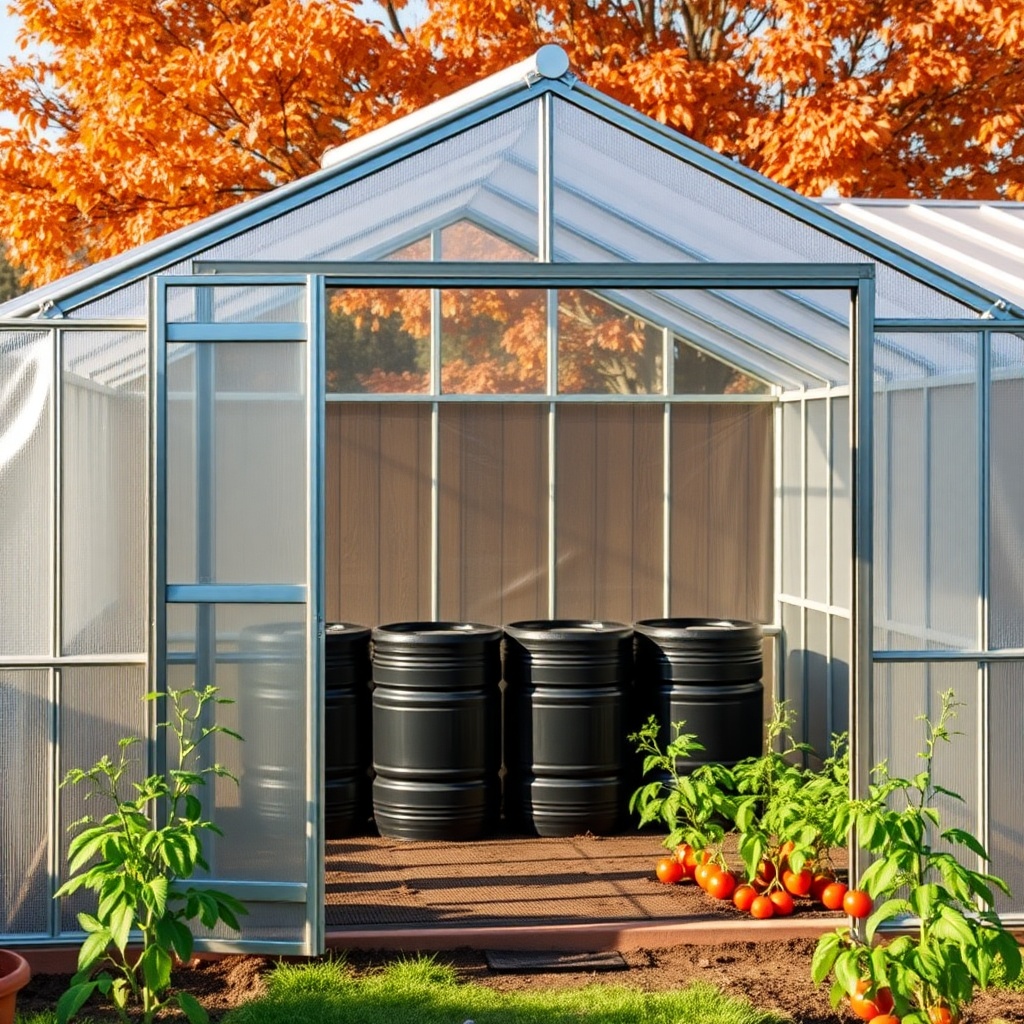
How Can Thermal Mass Store Solar Energy in a 6×8 Greenhouse?
Thermal mass is the single most effective passive heating technique for a greenhouse of this size. The idea is simple: dense materials (like water, stone, or concrete) absorb heat during the day when sunlight strikes them, then release that heat slowly overnight as temperatures fall. For a 6×8 structure with a volume of roughly 240 cubic feet (if the peak height is 7 feet), you need approximately 5 to 8 gallons of water per square foot of floor area to achieve meaningful temperature stabilization. That translates to 240 to 384 gallons total—more than the typical gardener can fit, but even 40–60 gallons will provide noticeable damping of temperature swings.
Practical Thermal Mass Installations for the Harmony 6×8
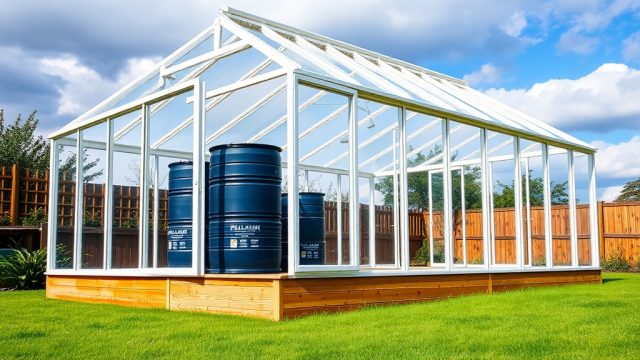
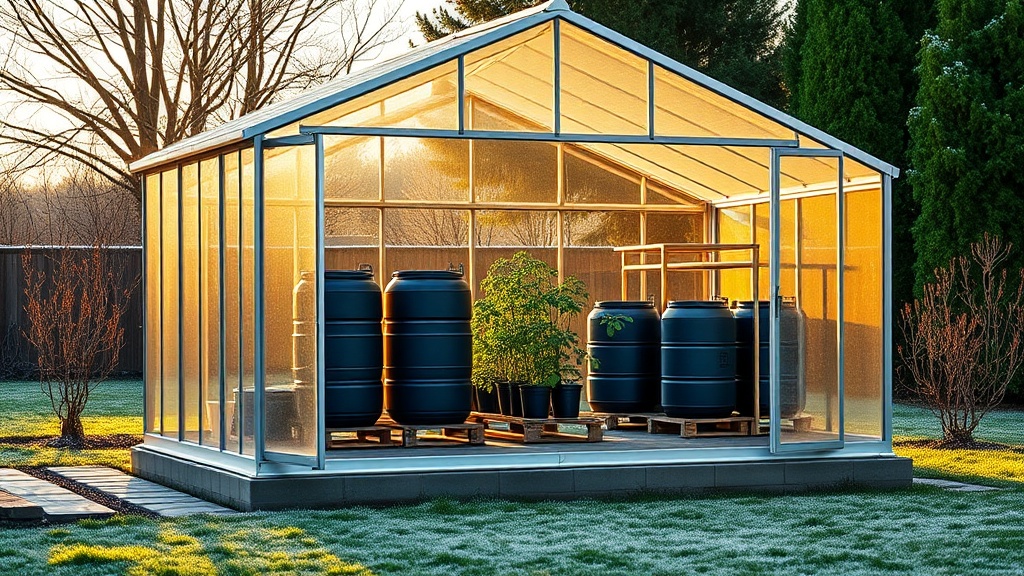
- Water barrels along the north wall: Place 30–55 gallon dark-painted plastic barrels (food-grade) along the north side of the greenhouse. This location receives the least direct sunlight, so the barrels won’t compete with plants for light. Fill with water and add a small amount of bleach (1 teaspoon per 5 gallons) to prevent algae growth.
- Stone or concrete pavers on the floor: Use 2-inch-thick paving stones directly on the ground (over a weed barrier). They absorb heat from the floor-level sun and conduct warmth upward. A path of these pavers can add 200–300 pounds of thermal mass without taking up bench space.
- DIY water tube walls: Some gardeners stack 1-gallon plastic jugs of water into a “wall” structure inside. For a 6×8, you can stack about 60–80 jugs, adding significant mass without a single large barrel footprint.
One important note: avoid placing thermal mass items directly in front of the sliding door or the roof vent, as that will obstruct airflow. For a complete guide on maintaining proper circulation alongside your heating strategies, read our article on optimizing greenhouse air circulation with fans.
Which Insulation Upgrades Work Best with the Harmony 6×8 Structure?
Beyond thermal mass, upgrading the insulation envelope of the greenhouse is critical for retaining the heat you capture. The twin-wall polycarbonate is good, but the frame is aluminum, which conducts heat readily. Here are three effective upgrade zones.
Frame Insulation Strips
The aluminum frame sections are joined with gaskets that can degrade over time. You can add self-adhesive foam weatherstripping (1/2-inch wide, 1/4-inch thick) along the inside of every glazing bar where the panels meet the frame. This reduces convection losses at the edges. Cost: roughly $12–$15 for a 20-foot roll.
Foundation Draft Blocking
The base of the Harmony 6×8 is a frame that sits on the ground. Even with a level foundation, there is often a small gap between the base rail and the surface. Fill this gap with expanding foam designed for outdoor use (not standard household foam) or use a bead of silicone caulk. This seals the coldest area of the greenhouse—the floor perimeter. Expect to seal 22 linear feet for a 6×8 structure; one can of foam is sufficient.
Night Time Insulation Blankets
The most advanced passive solution is adding a removable insulation curtain or bubble wrap layer over the polycarbonate panels on winter nights. Use UV-stabilized greenhouse bubble wrap (bubble size 3/4-inch) cut to fit each panel and held in place with greenhouse clips. This can reduce nighttime heat loss by 30–50%. Remove it during the day to allow full sun penetration.
What Is the Temperature Improvement You Can Expect with These Passive Methods?
Gardeners who implement a combination of the above methods typically see the following results compared to a non-modified greenhouse of the same size:
| Passive Heating Method (Applied to Harmony 6×8) | Estimated Nighttime Temperature Boost (°F) vs. Ambient Outside | Cost Estimate (USD $) |
|---|---|---|
| Stock greenhouse only (no modifications) | +3°F to +5°F | $0 |
| Stock + 40 gallons water thermal mass | +6°F to +9°F | $20–$40 |
| Stock + 40 gal water + foundation sealing | +8°F to +12°F | $25–$50 |
| Stock + 40 gal water + foundation seal + frame weatherstripping | +9°F to +14°F | $40–$65 |
| All above + night bubble wrap insulation | +14°F to +20°F | $80–$120 |
Note: These figures assume a clear, calm night with outdoor lows around 30°F. On windy or overcast nights, gains will be lower. The goal is not to keep the greenhouse tropical in winter (that requires active heating), but to prevent frost damage and extend the shoulder seasons by 4–6 weeks.
How Can You Integrate Passive Heating with a Drip Irrigation System?
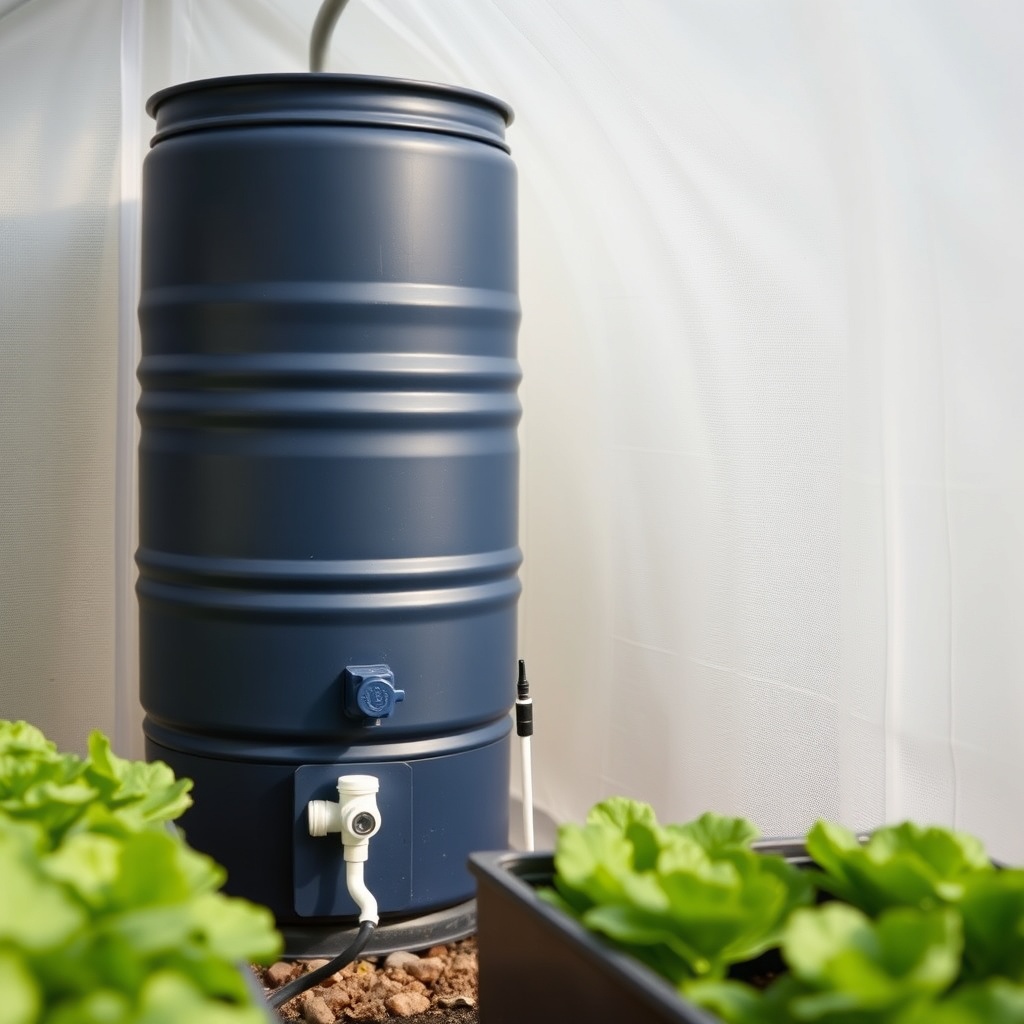
Many gardeners overlook the synergy between irrigation and thermal mass. Water barrels used for thermal mass can double as a rainwater collection reservoir when connected to a drip system—a technique that adds no extra cost. The Palram Canopia Harmony 6×8 has gutter compatibility (sold separately) that feeds downspouts into the barrels. The thermal mass water is then preheated inside the greenhouse during the day, so when you irrigate seedlings with that water in the early morning, you are delivering 50–60°F water instead of cold tap water (which can shock root systems). For detailed setup instructions, see our guide on automatic drip irrigation installation for the Harmony 6×8.
What Owners Say About Passive Heating in Their Harmony 6×8 Greenhouses
Feedback from the greenhouse community reveals a consistent theme: the Harmony 6×8 is a solid base for passive solar projects, but owner expectations vary. One gardener from USDA Zone 6 (Ohio) reports: “I added two 55-gallon black barrels on the north wall and sealed the base. My baby greens survived down to 28°F outside, whereas last year without the barrels I lost everything at 32°F. That’s a solid win for passive heating.” Another owner in Zone 5 (Vermont) notes that they added bubble wrap insulation for the four coldest months and were able to keep celery and kale alive through December, which was previously impossible. A third owner from Zone 8 (Texas) found that thermal mass alone created too much heat retention during warm fall days, so they had to open both door and roof vent earlier. Many owners also emphasize the importance of pairing passive heating with a good shelving layout; you can learn about that in our DIY custom shelving plans for small greenhouses.
Frequently Asked Questions
Question: Do I need to purchase additional sealing materials for the Harmony 6×8 frame?
Yes, most owners benefit from adding weatherstripping along the aluminum glazing bars and silicone caulk at the base. The factory gaskets are functional but leave small gaps after a year of weathering.
Question: Can I use standard water barrels from a hardware store, or do they need to be food-grade?
Food-grade barrels are strongly recommended to avoid plastic leaching. Used food-grade 55-gallon drums are widely available for around $15–$25. Paint them a dark color (black or dark green) to improve heat absorption.
Question: Will bubble wrap insulation damage the polycarbonate panels?
No—as long as you use UV-stabilized bubble wrap designed for greenhouses and attach it with plastic greenhouse clips (not tape) that allow airflow. Avoid duct tape, which can leave adhesive residue that attracts dirt.
Question: How much does the passive heating approach reduce the need for an electric heater?
In mild climates (USDA Zone 7 and above), passive methods can eliminate the need for electric heat entirely during shoulder seasons. In colder zones (Zone 6 and below), they reduce the runtime of a small 500W heater by 50–70%, saving approximately $15–$30 per month in electricity.
Question: Is the roof vent enough for warm days when using passive heating?
Not always, especially in late spring when thermal mass can cause overheating. Many owners add a second automatic vent opener or an interior circulating fan. See our guide on fan optimization to manage temperatures.
Question: What is the best floor covering to support thermal mass?
A floor of concrete pavers or landscape fabric over a gravel base works best. Avoid wood, as it rots and has low thermal mass. For leveling instructions, consult our ground preparation article.