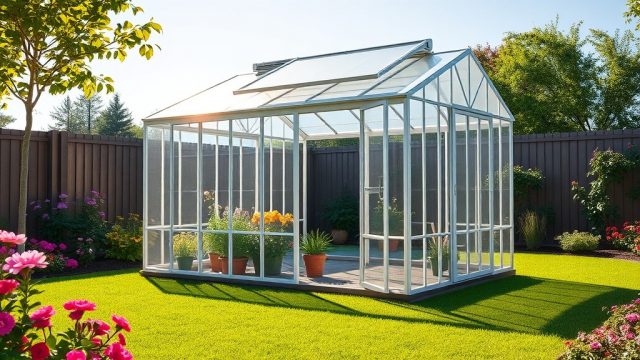
Why Does the Palram Canopia Harmony 6×8 Need a Better Ventilation Solution?
The Palram Canopia Harmony 6×8 is a popular 6×8-foot polycarbonate greenhouse known for its sturdy aluminium frame and excellent light diffusion. However, like many compact greenhouse models, its standard manual roof vent relies on human attention to open and close during the day. During the British summer, with rapidly changing temperatures and strong solar radiation, the interior can easily exceed 40°C (104°F) within minutes if the single roof vent is left closed. This makes automatic vent opener installation not just a convenience but a critical upgrade for consistent plant health, especially for tomatoes, peppers, and other heat-sensitive crops.
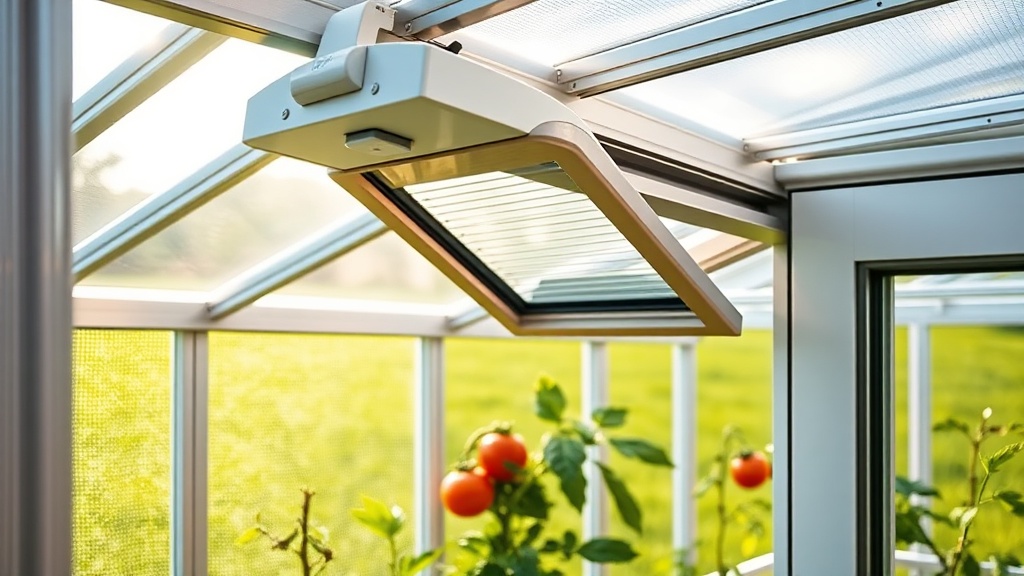
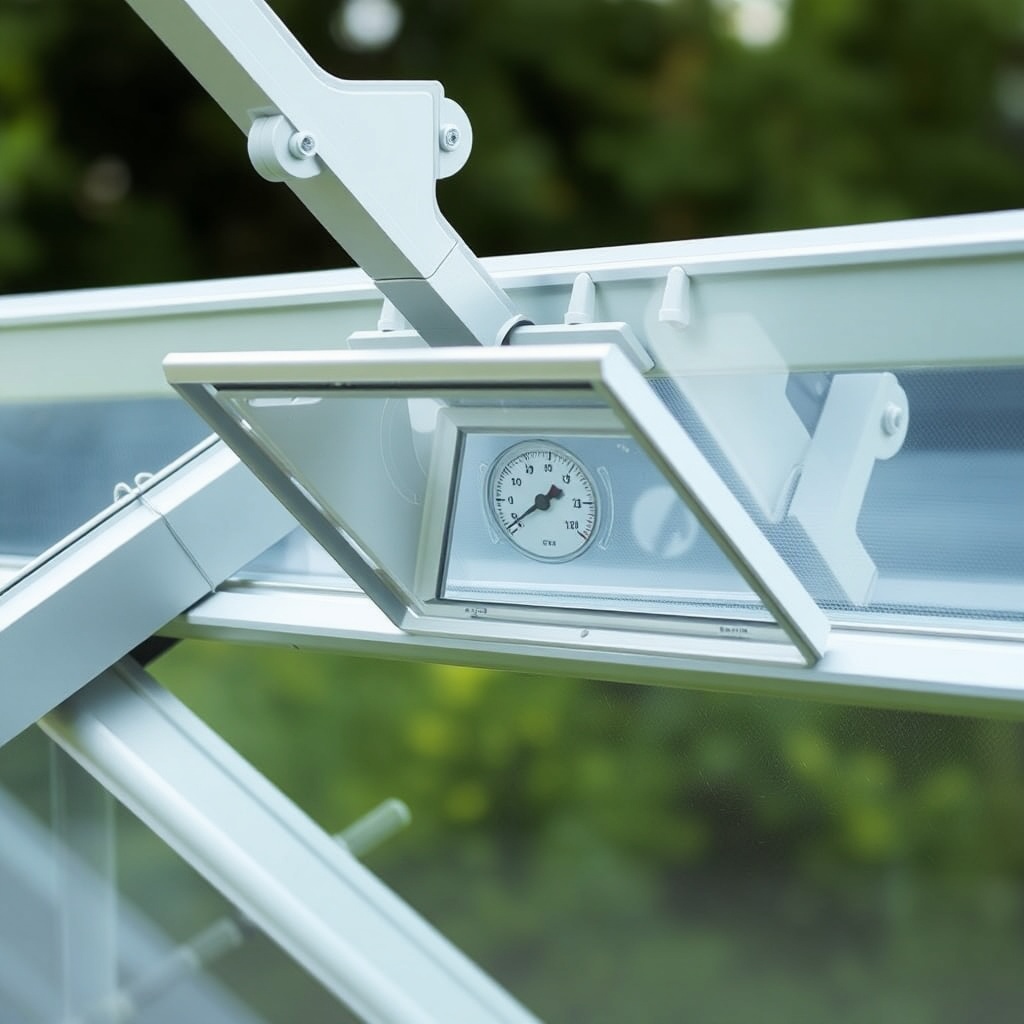
An automatic vent opener uses a wax cylinder or hydraulic piston that expands as the internal temperature rises, lifting the glazed panel. When the air cools in the evening or during sudden cloud cover, the mechanism retracts, sealing the greenhouse. This thermostatic control eliminates the risk of heat damage during work hours or on weekends when the gardener is away. For the Harmony 6×8, which has a single hinged roof panel, a single automatic opener—typically rated for 7–11 kg—is sufficient to manage airflow for the 48 sq ft floor area.
How Does Automatic Ventilation Prevent Overheating in the Harmony 6×8?
The primary benefit of an automatic vent opener is passive temperature regulation. The Harmony 6×8 standard manual vent can be left open, but it provides no fine control. An automatic unit, such as the Bayliss Autovent or similar 7–11 kg models, triggers opening at around 22°C (72°F) and achieves full lift at approximately 30°C (86°F). According to real owner reports on UK gardening forums, the difference between a manually ventilated and automatically ventilated Harmony 6×8 can be as much as 5–8°C during peak afternoon heat. This reduces the risk of leaf scorch, blossom drop in fruiting crops, and sudden humidity spikes that encourage fungal diseases like botrytis.
In addition to cooling, consistent airflow strengthens plant stems and improves transpiration, which leads to better nutrient uptake. A well-ventilated greenhouse also dries out foliage faster after morning condensation, reducing the risk of mildew. For the Harmony 6×8’s single-slope roof design, positioning the opener at the highest point of the hinged panel ensures that hot air rises naturally and exits, while cooler air is drawn in through the lower ventilation gaps or door crack.
How Do You Install an Automatic Vent Opener on the Palram Canopia Harmony 6×8?
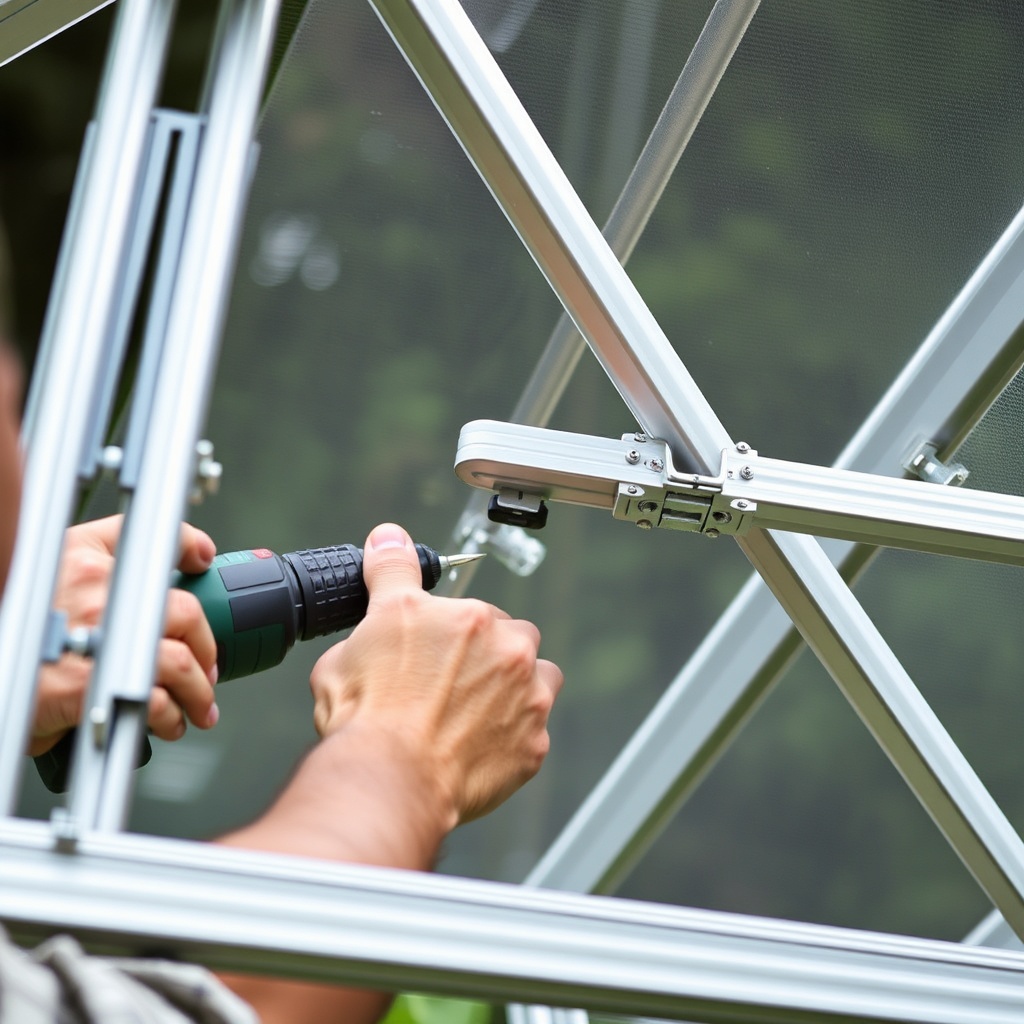
Installation is a straightforward DIY project for anyone comfortable with basic tools. Most automatic vent openers come with a stainless steel bracket set that attaches to the aluminium roof frame of the Harmony 6×8. Here is a step-by-step guide:
- Step 1: Locate the Roof Frame – The Harmony 6×8 has a single roof panel that hinges at the ridge. Identify the central longitudinal aluminium rib and the side frame.
- Step 2: Pre-Drill Holes – Using the bracket template provided with the opener, mark two points on the roof frame near the hinge and two points on the panel itself. Pre-drill 3mm holes in the aluminium. Always wear eye protection.
- Step 3: Mount the Piston – Attach the base plate to the frame using the provided stainless steel screws and seal the holes with a dab of silicone to prevent leaks (see our guide on sealing polycarbonate panels for leak prevention).
- Step 4: Attach the Arm – Connect the piston arm to the panel bracket. Ensure the arm is fully retracted when the vent is closed. Adjust the opening angle by tightening or loosening the lock nut.
- Step 5: Test – Close the vent fully. The piston should hold the panel shut when cold. On a warm day, the panel should begin to open around 22°C.
Estimated installation time is 30–45 minutes. Cost for a quality UK-brand opener like the “Autovent” is typically £25–£40, while premium hydraulic models with adjustable temperature triggers start at £45.
What Are the Specific Temperature Control Benefits in British Weather?
British weather is notoriously variable—sunny at 10:00, overcast and rainy by 14:00. A manual vent requires you to dash out to close it before rain enters, then reopen it when the sun reappears. An automatic opener handles this cycle seamlessly. For the Harmony 6×8, which has a relatively small internal volume (roughly 150 cu ft), this responsiveness is vital. Without automation, the greenhouse can swing from 50°F (10°C) at dawn to 95°F (35°C) by midday if left closed.
In the spring and autumn, when days are cool but solar gain is high, the automatic vent prevents the greenhouse from becoming a heat trap that reverses the benefit of passive solar heating. For those using passive solar approaches, pairing this opener with thermal mass—like water barrels—can stabilise temperatures. Read more about winter strategies in our article on Palram Canopia Harmony 6×8: Passive Solar Heating Methods to Extend Your Growing Season.
Additionally, in summer heatwaves (now more common in the UK), a single automatic opener may not be enough. Upgrading to twin-wall polycarbonate glazing reduces heat transfer, but ventilation remains key. Some owners add a second vent or a louvered side panel. For more on glazing upgrades, see our guide on Palram Canopia Harmony 6×8: Upgrading to Twin-Wall Polycarbonate Glazing for Better Insulation.
How Do Automatic Openers Compare to Manual or Electric Options?
There are three main ways to ventilate the Harmony 6×8: manual, automatic thermostatic, and electric. Each has trade-offs in cost, reliability, and convenience. The table below compares them for a typical 6×8 greenhouse in the UK.
| Ventilation Type | Cost Range (GBP) | Power Source | Reliability | Best For |
|---|---|---|---|---|
| Manual (standard) | £0 (included) | None | Requires human presence | Daily oversight, cheap |
| Automatic (wax/hydraulic) | £25–£55 | None (passive) | High (<10% failure) | Unattended, variable weather |
| Electric (12V/230V) | £70–£150 + wiring | Mains or solar | Medium (motor/controller failures) | Precise control, automation with timers |
Automatic openers are the most popular upgrade for the Palram Canopia Harmony 6×8 because they require no electricity, no wiring, and no manual intervention. They are also inexpensive and easy to replace. Electric models offer temperature set points and timers, but installation involves drilling larger holes, running cables (often to a mains supply), and dealing with potential moisture damage. For the typical budget-conscious UK gardener, the automatic wax cylinder opener provides the best balance of cost and performance.
What Are the Best Practices for Positioning the Vent Opener?
Positioning the vent opener correctly is crucial for the Harmony 6×8’s sloping roof. The roof panel of this model is roughly 1.2m wide and 2m long, hinged along the ridge at the back. The opener should be installed roughly one-third of the way from the top hinge towards the bottom edge. This lifts the panel at an angle that allows hot air to escape efficiently while preventing rain from blowing in directly.
A common mistake is placing the opener too close to the hinge, which reduces the lift angle and airflow. Conversely, placing it too far down can overstress the mechanism. The ideal lift height is 7–10 cm when fully open. If your greenhouse is sited in a very exposed location, consider fitting a rain sensor or a manual latch to override the opener during storms. For advice on preparing the site, including levelling, see Palram Canopia Harmony 6×8: Ground Preparation Tips for Uneven Terrain. If you plan to add vertical gardening inside, leave clearance for the vent’s swing path—more details in Palram Canopia Harmony 6×8: DIY Vertical Gardening Setup for Space Optimization.
What Owners Say
Feedback from Palram Canopia Harmony 6×8 owners on British forums (e.g., The Greenhouse Forum, UK Gardening, and social media groups) is overwhelmingly positive regarding automatic vent openers. Many note that it was the single best upgrade they made. One owner described coming home to a perfectly ventilated greenhouse on a 32°C day, with the vent open just enough to keep the air moving. Another said it saved their tomato crop during a week-long heatwave when they could not be home.
Owners do caution that the standard aluminium frame on the Harmony 6×8 requires careful drilling—use a sharp bit and lubricant to avoid stripping. A handful noted that the OEM automatic opener from Palram (if purchased separately) is slightly more expensive (£45) but fits perfectly without modifications. However, generic aftermarket units work well with minor bracket adjustments. Overall, the consensus is that an automatic vent opener is the most cost-effective way to protect plants and reduce daily chores.
Frequently Asked Questions
Q1: Can I install an automatic vent opener on the Palram Canopia Harmony 6×8 myself?
A1: Yes, the installation is simple and can be completed with basic tools like a drill, screwdriver, and measuring tape. Most kits take under an hour to fit. Ensure you seal the holes with silicone to maintain weatherproofing.
Q2: What size automatic vent opener do I need for the Harmony 6×8?
A2: A standard 7–11 kg capacity opener is sufficient for the single roof panel. This lifting force handles the polycarbonate glazing and aluminium frame weight during hot weather.
Q3: Does the automatic vent opener work in winter?
A3: Yes, but in winter the opener typically stays closed because the internal temperature rarely reaches 22°C. This is beneficial for retaining passive solar heat. For cold-weather growing, consider insulation upgrades—see Palram Canopia Harmony 6×8: Upgrading to Twin-Wall Polycarbonate Glazing for Better Insulation.
Q4: Will the vent opener break in a storm?
A4: Wax cylinder openers are robust, but strong winds can stress the mechanism. In exposed positions, you may want to manually close the vent during severe storms. Some owners fit a storm bar or latch for extra security.
Q5: How long does an automatic vent opener last?
A5: With proper care, a quality wax or hydraulic opener lasts 3–5 years. Harsh UV and extreme temperatures can degrade the seals. Check it annually for leaks or sticking.
Q6: Can I use two automatic openers on the same roof panel?
A6: It is not recommended, as two openers may work against each other, causing misalignment or damage. One correctly positioned opener is adequate for the Harmony 6×8’s roof.