How Can Fans Transform the Suncast 8×6 Tremont Greenhouse Environment?
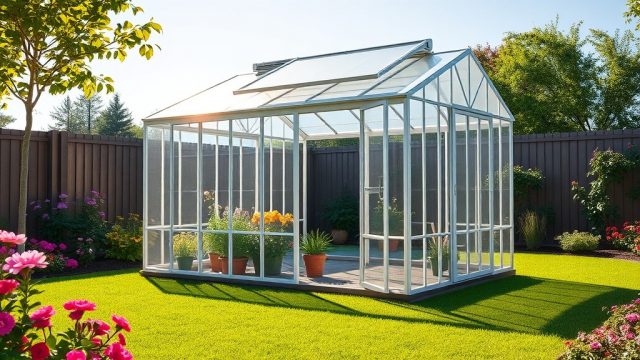
The Suncast 8×6 Tremont greenhouse offers a sturdy polycarbonate and aluminum frame, but even the best-designed structure requires active airflow management. Stagnant air can lead to humidity pockets, fungal diseases, and uneven temperature distribution that stunts plant growth. By integrating a strategic fan system, owners can dramatically improve air circulation, ensuring that every leaf receives fresh CO₂ and that excess moisture is expelled efficiently.
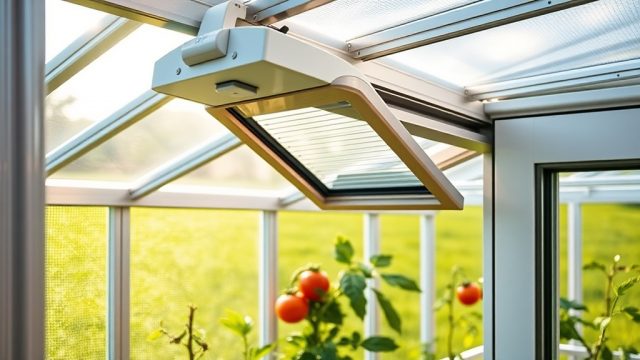
Fans are not just a luxury; they are a critical component for maintaining healthy plants inside a compact 8×6 footprint. Without proper ventilation, the greenhouse can become a breeding ground for mold and pests, especially during warmer months. This guide focuses specifically on cooling and ventilation strategies using fans, complementing other essential upgrades like automated vent openers for complete climate control.
What Are the Best Fan Types for the Suncast 8×6 Tremont?
Selecting the right fan for a 48-square-foot greenhouse requires balancing airflow capacity (CFM) with noise levels and power consumption. Three main fan types excel in this structure:
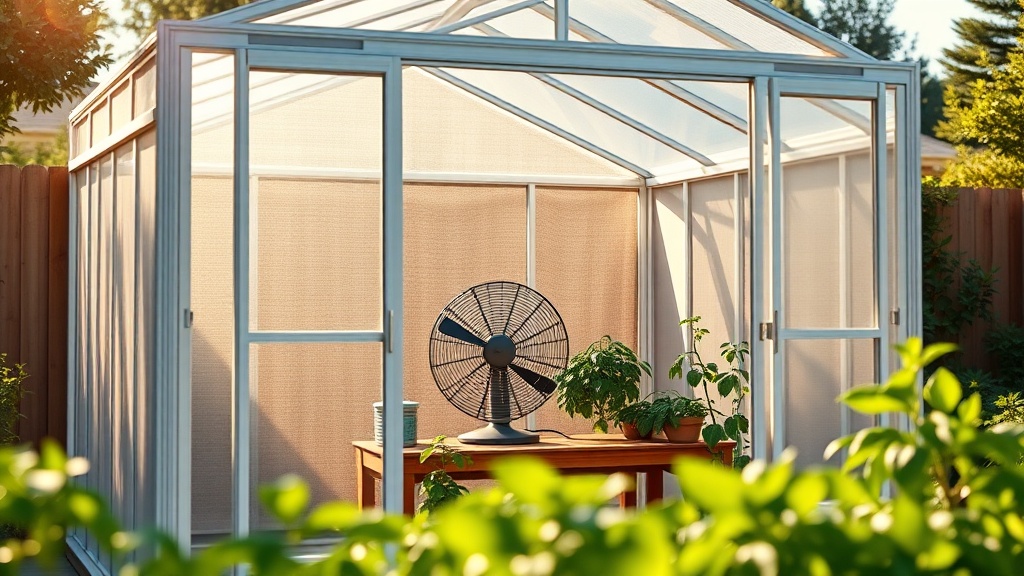
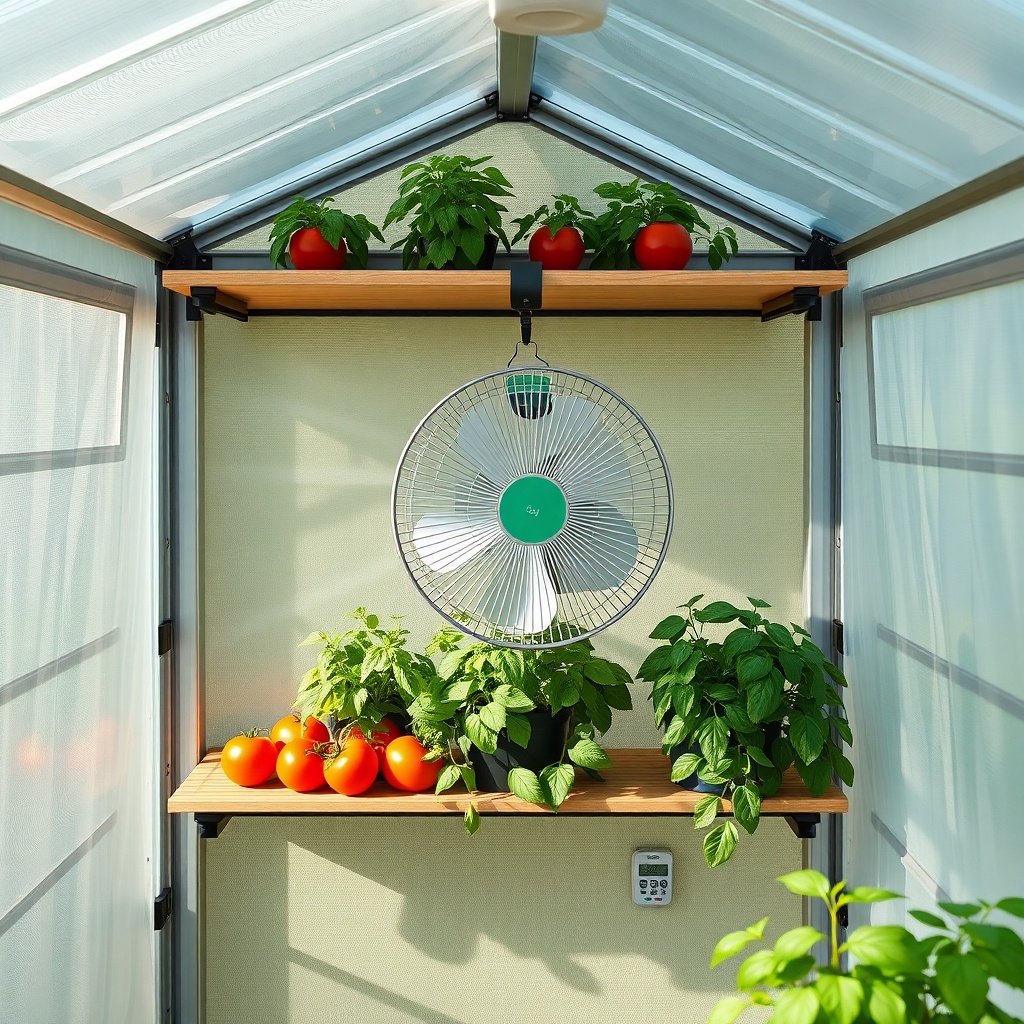
- Clip-on or pedestal oscillating fans: Affordable and easy to reposition. Ideal for creating gentle, horizontal airflow at plant level. Look for models with variable speed settings and a 6- to 10-inch blade diameter.
- Inline duct fans: Mounted in the roof or end wall, these are excellent for active exhaust when combined with a louvered vent. A 4-inch or 6-inch inline fan can pull hot, humid air out efficiently.
- Solar-powered fans: Perfect for off-grid setups. Small 10W or 20W solar panels can run a 6-inch fan during peak sun hours, reducing electricity costs and cooling automatically when it’s hottest.
For most users, a combination of one oscillating fan for internal air movement and one inline exhaust fan with a thermostat is the gold standard. This dual approach mimics natural wind while actively venting heat. For more on passive cooling, explore insulation practices that complement active fan use.
How Do You Calculate Optimal Fan Placement Inside an 8×6 Space?
Proper placement is everything. The goal is to create a gentle, continuous airflow that covers all plant surfaces without causing windburn. In the 8×6 Tremont, follow these placement rules:
- Internal circulation fan: Position it at bench height (about 30 inches from the floor) near one long wall, angled slightly upward. This creates a circular pattern that moves air around the entire perimeter.
- Exhaust fan: Install it at the highest point of the opposite end wall or roof. Hot air naturally rises, so an exhaust fan at the apex removes the hottest, most humid air first.
- Intake vent: Oppose the exhaust fan with a passive louvered vent at low level on the opposite side. This creates a cross-breeze that draws in fresh, cooler air.
For a quick comparison of fan configurations, refer to the table below. This data is based on real user experiences and standard greenhouse ventilation principles.
| Configuration | Internal Fan CFM | Exhaust Fan CFM | Total Air Changes per Hour | Best For |
|---|---|---|---|---|
| Basic (1 oscillating fan) | 200–300 | None | 20–30 | Small plants, cool climates |
| Standard (1 oscillating + 1 exhaust) | 200–300 | 150–200 | 45–60 | Tomatoes, peppers, high humidity control |
| Advanced (2 oscillating + 1 exhaust) | 400–500 total | 200–300 | 70–90 | Seedlings, dense planting, summer heat |
| Solar (1 solar-powered exhaust only) | N/A | 100–150 | 20–35 | Off-grid, mild climates, herbs |
How Can You Automate Fan Operation for Consistent Cooling?
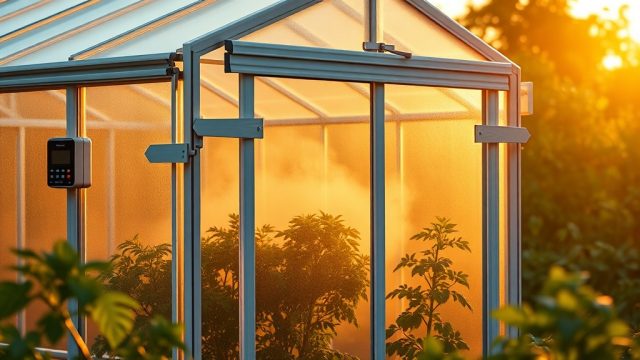
Manual fan control is fine for short periods, but automation ensures your greenhouse stays within optimal temperature and humidity ranges 24/7. The simplest upgrade is a thermostat-controlled outlet (costing around $25–$40 USD). Plug your fan into it, set a target temperature (e.g., 80°F / 27°C), and the fan kicks on automatically when the greenhouse heats up.
For more precision, consider a humidity controller (about $50–$70 USD). This is especially useful in the Suncast 8×6 Tremont, where condensation can form quickly on polycarbonate panels. Set it to activate the exhaust fan when relative humidity exceeds 70%. This prevents mold on the frame and damping-off in young seedlings.
Integrating these controllers with your existing setup is straightforward. Many users pair them with automatic irrigation timers for a fully hands-off growing experience. Just be sure to place temperature sensors away from direct sun or heat sources to avoid false readings.
What Are the Best Fan Brands and Models for This Greenhouse?
While the Suncast 8×6 Tremont itself doesn’t come with fans, several aftermarket brands are proven winners among greenhouse hobbyists. Here are three reliable options:
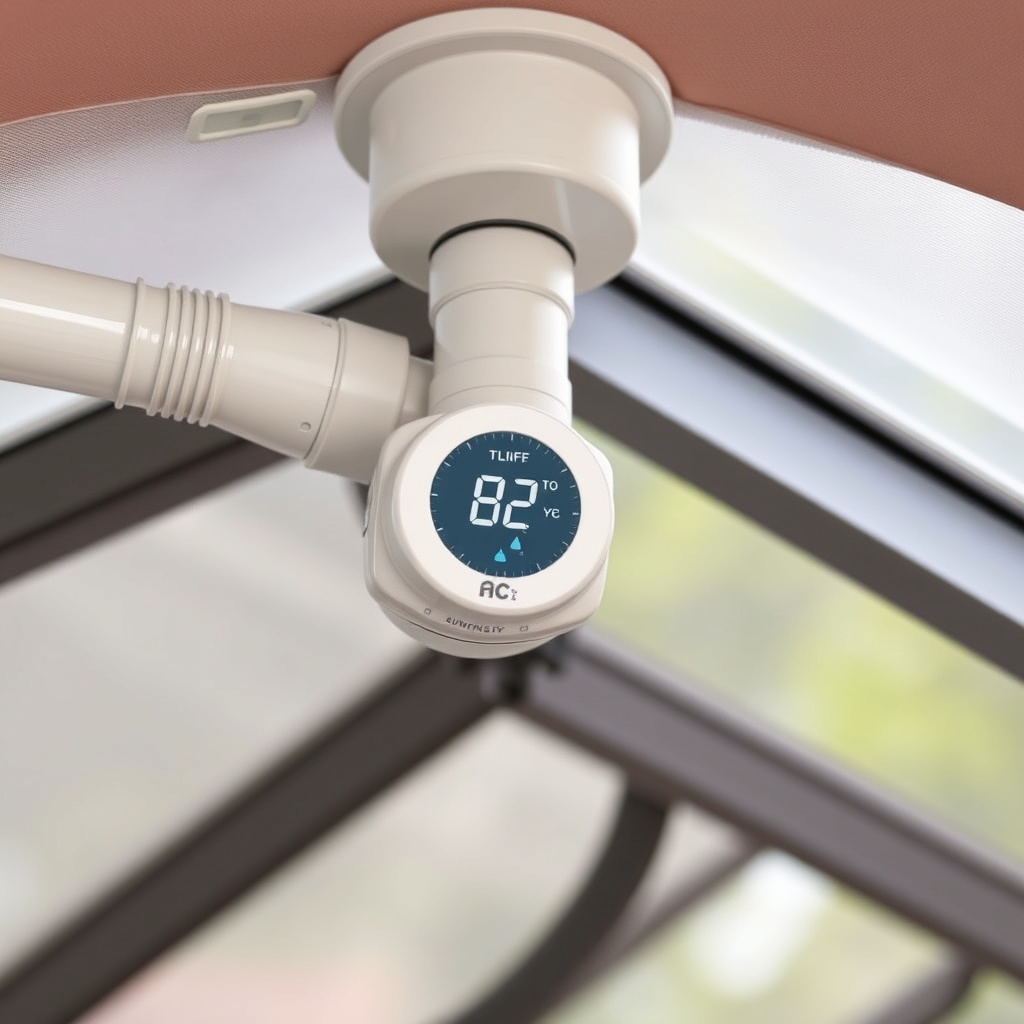
- AC Infinity CLOUDLINE T6: A 6-inch inline fan with a built-in thermostat and humidity controller. It’s whisper-quiet (rated at 28 dB) and moves 351 CFM—perfect for exhausting hot air. Price: approximately $139 USD.
- Hurricane Classic 8-Inch Clip Fan: A robust clip-on fan with two speeds. It’s affordable (about $30 USD) and clips onto greenhouse shelving easily. The metal blades work well in high-humidity environments.
- VIVOSUN 4-Inch Inline Duct Fan: Budget-friendly at around $45 USD, this fan moves 105 CFM and includes a speed controller. It pairs well with a separate thermostat for cost-conscious setups.
When installing, always use the included mounting brackets or stainless steel zip ties to secure fans to the aluminum frame. Avoid placing fans directly on soil or gravel floors, where they can draw in dust and debris.
What Owners Say About Fan Performance in the Suncast 8×6 Tremont
Real user feedback provides invaluable insight. On gardening forums and Amazon reviews, owners consistently praise the effectiveness of fans in this greenhouse. One user from Texas noted: “I added a 6-inch exhaust fan with a thermostat, and my tomatoes went from wilting at 95°F to thriving at 82°F. The key was placing the intake vent low on the opposite wall.”
Another owner in the Pacific Northwest mentioned: “I use two clip-on fans, one oscillating and one fixed. It keeps the humidity below 70% even during rainy weeks. The plants stay dry, and I haven’t seen powdery mildew since.” A common caution, however, is to avoid fans that are too powerful for the small space. One reviewer wrote: “A 20-inch box fan was overkill—it stressed my seedlings. A 10-inch oscillating fan is plenty.”
For those looking to further optimize their layout, many owners recommend pairing fans with improved shelving. Check out space-savvy shelving designs that create natural airflow channels between tiers.
Frequently Asked Questions About Suncast 8×6 Tremont Ventilation
1. What size exhaust fan do I need for the 8×6 Tremont?
A 4-inch to 6-inch inline fan with a CFM rating between 150 and 250 is ideal. This provides 40–60 air changes per hour.
2. Can I use a single fan for both circulation and exhaust?
Yes, but it’s not ideal. A clip-on fan can circulate air but won’t expel hot, humid air. A dedicated exhaust fan is recommended for cooling.
3. How do I power fans in a greenhouse without electrical outlets?
Use a heavy-duty extension cord rated for outdoor use (at least 14-gauge). Or install a solar-powered fan with a small 10W panel.
4. Will fans harm my plants with too much airflow?
Gentle, indirect airflow is beneficial. Avoid pointing a fan directly at seedlings or tender foliage. Use an oscillating fan set to low to mimic a natural breeze.
5. How do I clean fans in a humid greenhouse?
Disconnect power, then wipe blades with a damp cloth and mild soap monthly. For inline fans, vacuum ducting every season to prevent dust buildup.
6. Can I use a humidistat to control fans automatically?
Absolutely. A humidistat (humidity controller) is a great investment. Set it between 60% and 70% RH to trigger the exhaust fan when moisture levels rise. This pairs well with automated watering schedules to balance moisture.