Suncast 8×6 Tremont: Automating Ventilation for Optimal Temperature Control
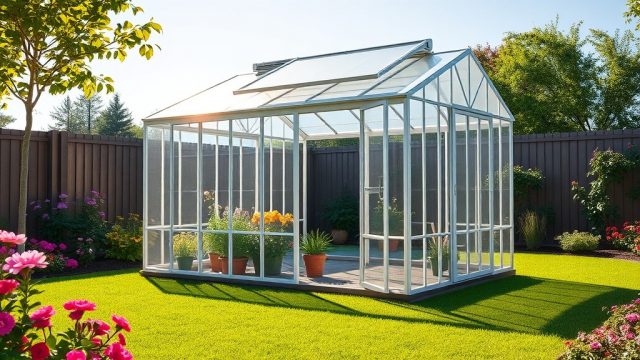
The Suncast 8×6 Tremont greenhouse offers a robust polycarbonate structure, but its true potential for year-round growing hinges on effective ventilation management. Without proper airflow, summer heat can quickly become lethal, while stagnant air invites mold and disease. This article explores how to automate the Tremont’s ventilation to maintain precise temperature control, ensuring your plants thrive regardless of outdoor conditions.
Why Does the Suncast 8×6 Tremont Overheat So Quickly?
The Suncast 8×6 Tremont, with its twin-wall polycarbonate panels and aluminum frame, excels at trapping solar radiation. On a sunny day, internal temperatures can exceed 45°C (113°F) within an hour if vents are not actively managed. The factory-installed roof vent (typically one 24-inch manual unit) is insufficient to prevent rapid heat buildup, especially without side or gable openings. This heat spike damages photosynthesis, causes leaf scorch, and stresses plants like tomatoes and peppers during peak summer.
Key factors contributing to overheating include:
- High solar gain: Polycarbonate glazing transmits up to 80% of sunlight while insulating, creating a greenhouse effect.
- Inadequate passive ventilation: The single roof vent provides limited air exchange, especially on still days.
- Lack of lower intake vents: Without ground-level openings, cool air cannot enter to replace rising hot air.
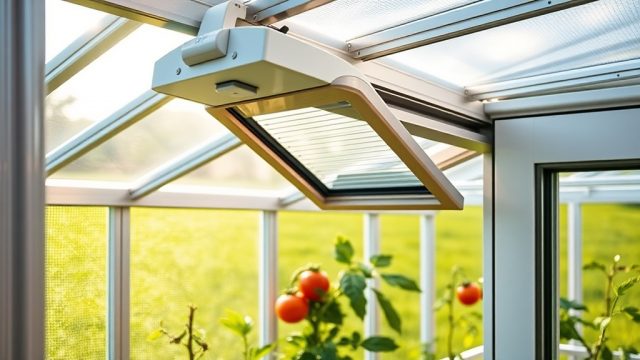
Automating the existing roof vent with a motorized opener is the first step. Many Tremont owners also add a secondary roof vent and a side louver system to create cross-flow. For a detailed walkthrough, see our Suncast 8×6 Tremont: Automatic Ventilation System Installation and Review.
Which Automatic Vent Opener Works Best for the Tremont?
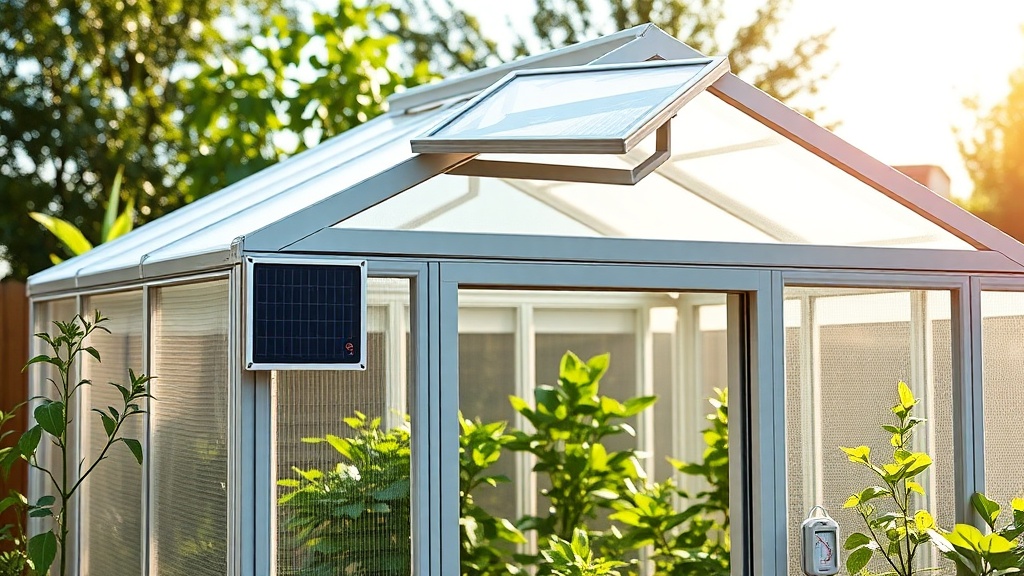
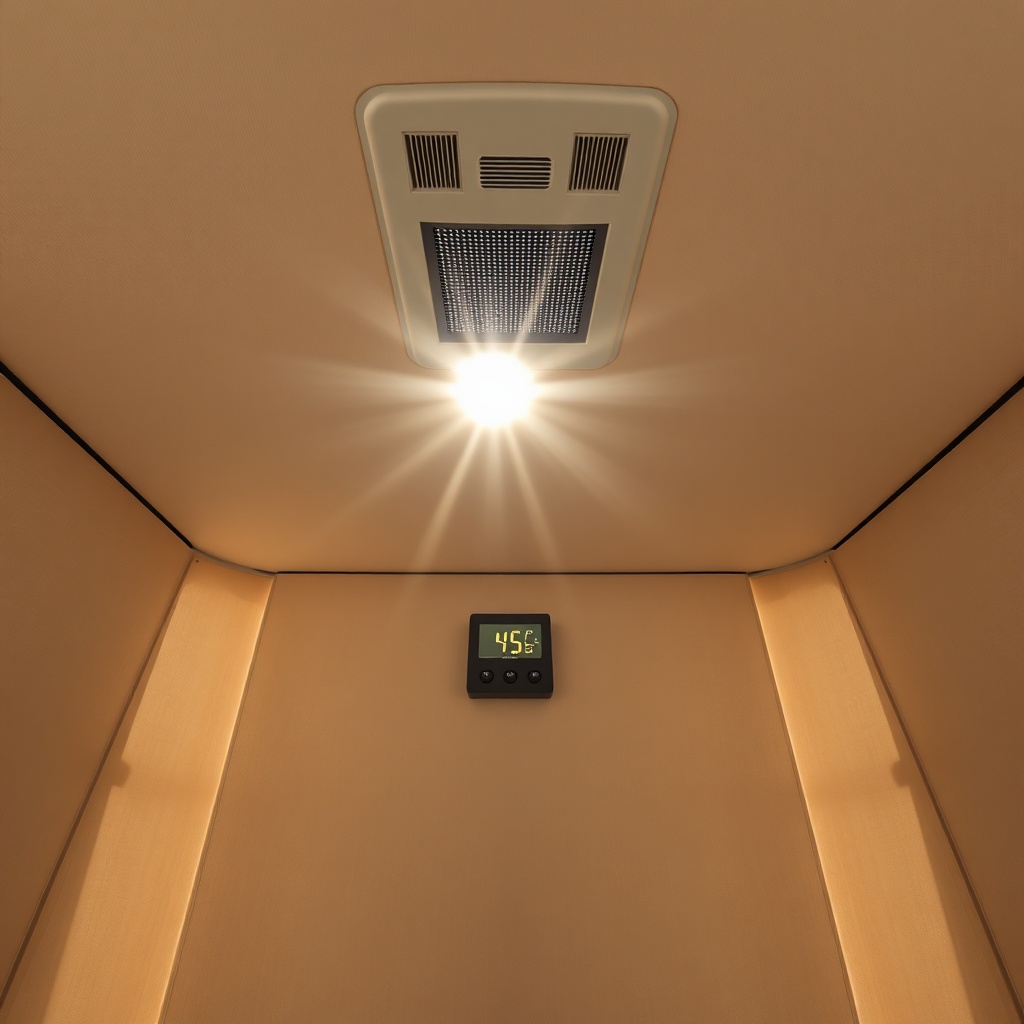
Selecting the right automatic vent opener is critical for the Suncast 8×6 Tremont’s 24-inch roof vent. Most owners prefer solar-powered or 12V electric units with adjustable temperature thresholds. The following table compares common options based on performance, cost, and ease of installation on this specific greenhouse model.
| Vent Opener Type | Lift Capacity (kg) | Temperature Range | Power Source | Price (USD) | Vent Compatibility |
|---|---|---|---|---|---|
| Solar-Powered Piston (Example: AutoVent) | 7 kg (15 lbs) | 18°C–30°C (64°F–86°F) | Solar panel (no batteries) | $65–$90 | Works with standard 24″ roof vent |
| 12V Electric Linear Actuator (Example: VentMate) | 20 kg (44 lbs) | 15°C–40°C (59°F–104°F) | 12V DC (battery or transformer) | $120–$160 | Requires bracket for Tremont aluminum frame |
| Hydraulic (Paraffin Wax) Piston | 5 kg (11 lbs) | 18°C–25°C (64°F–77°F) | Thermal expansion (no electricity) | $45–$70 | Simple, but slower response in cold |
For the Suncast 8×6 Tremont, the solar-powered piston is the most popular due to its ease of installation—no wiring required—and reliable opening at 22°C. However, owners in extremely hot climates (temperatures exceeding 35°C daily) often upgrade to a 12V electric unit with a thermostat controller for faster response and higher lift. Ensure any opener you purchase includes a rain sensor to close the vent automatically during showers, preventing water damage.
How to Install Motorized Louvers for Side Ventilation?
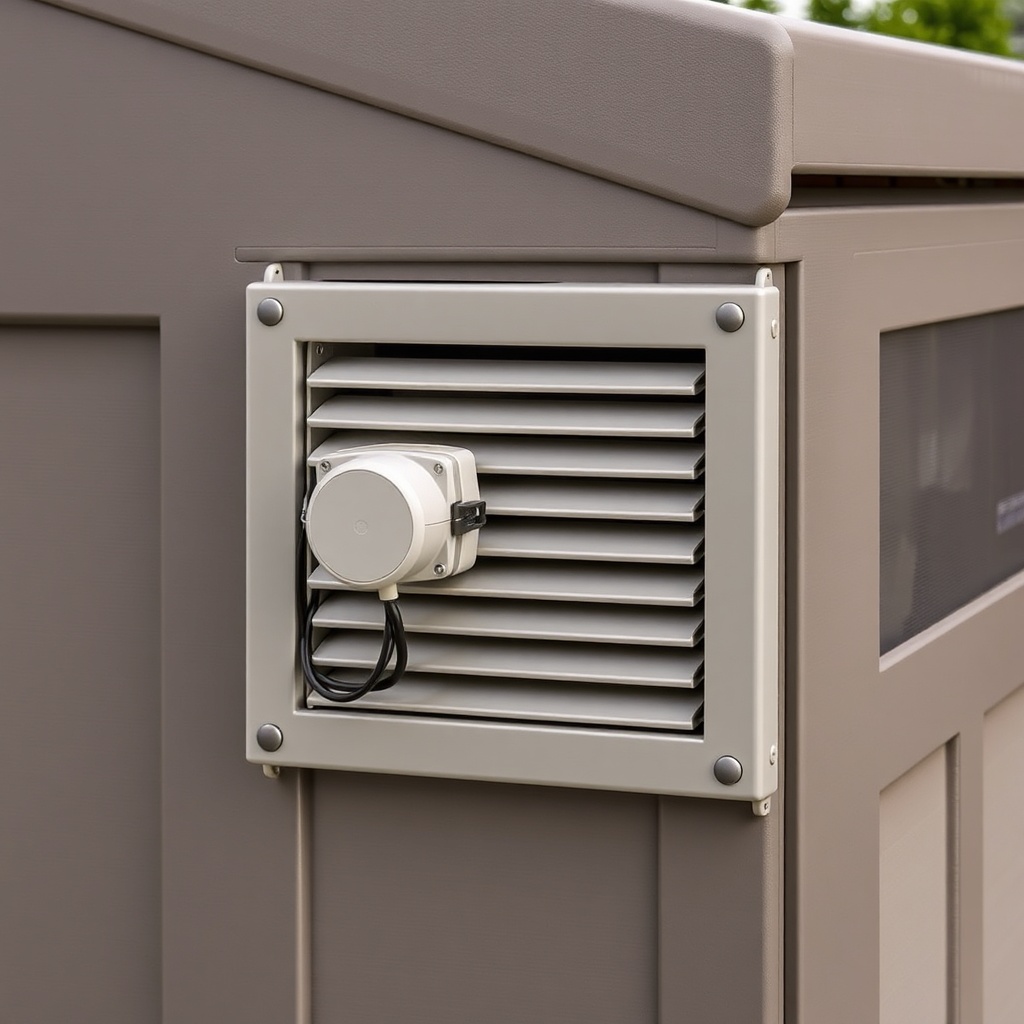
The Suncast 8×6 Tremont lacks factory side vents, but adding motorized louvers is transformative for temperature management. By installing two 12-inch x 12-inch louvered vents on the lower side panels (approximately 50 cm above ground), you create a natural chimney effect when combined with the upper roof vent. Hot air escapes through the roof, while cool air is drawn in through the louvers.
Installation steps:
- Cut openings: Use a jigsaw with a fine-tooth blade to cut through the polycarbonate panels. Tape the cut line to prevent cracking.
- Frame the louvers: Install aluminum frames around the openings. Seal with silicone caulk.
- Mount motorized actuators: Attach the 12V actuator to the louver frame. Wire to a thermostat controller that opens the louvers at 25°C.
- Connect to power: Use a low-voltage transformer (12V, 2A) for each louver. Run wires through conduit along the aluminum frame.
Automated side vents drop internal temperatures by 8–12°C (15–20°F) compared to relying solely on the roof vent. For more on setting up automated systems, read our Suncast 8×6 Tremont: How to Set Up an Automatic Watering System, which covers wiring and controller placement.
Can I Use a Thermostat-Controlled Fan Instead?
While fans are excellent for circulation, they are less effective than passive venting for removing heat. However, a thermostat-controlled exhaust fan mounted in the gable wall can augment the Suncast 8×6 Tremont’s ventilation. Choose a fan with a CFM rating of at least 500 (for the 48 sq ft floor area) to exchange the entire air volume (approx. 300 cubic feet) every 2–3 minutes.
Recommended fan setup:
- Location: Install a 12-inch exhaust fan in the upper gable wall opposite the door. Create a lower intake louver on the opposite wall.
- Thermostat: Set the thermostat to 28°C (82°F) for the fan to activate. Pair with a humidity controller if growing humidity-sensitive plants.
- Power: Hardwire the fan to a GFCI-protected outlet. Use a 12V or 120V model based on your electrical setup.
Fans consume power and require more wiring, but they provide active cooling during still days. Combine with automatic roof vents for optimal redundancy. Many owners integrate both systems using a smart controller. Check our Suncast 8×6 Tremont: Automatic Irrigation System Benefits for Consistent Watering for controller integration tips.
What Are the Best Insulation Strategies for Ventilation?
Proper ventilation isn’t just about summer cooling—it also affects winter performance. The Suncast 8×6 Tremont’s twin-wall polycarbonate is decent, but adding insulation to the north-facing wall and foundation reduces heat loss. However, insulation must not block airflow. Use reflective bubble insulation on the north wall to improve R-value while leaving vents unobstructed.
Key insulation-ventilation balance tips:
- Winter: Close vents when temperatures drop below 5°C (41°F) to retain heat. Use a small, thermostat-controlled fan to circulate air without chilling plants.
- Summer: Open all vents (roof, sides, and louvers) by 7:00 AM. Install shade cloth (30–50%) above the roof to reduce solar load.
- Seal drafts: Use weatherstripping around the door and vent edges to prevent cold air infiltration in winter while maintaining adjustable vents.
For comprehensive winter preparation, visit our Suncast 8×6 Tremont: Complete Winterizing Guide. For detailed insulation materials and application, see Suncast 8×6 Tremont: Best Insulation Options for Year-Round Growing.
What Owners Say
Suncast 8×6 Tremont owners who have automated their ventilation report dramatic improvements. Sarah from Ohio notes, “After installing a solar vent opener and two side louvers, my tomatoes survived July without any heat stress. It cost $120 total and took an afternoon.” Mike in Colorado shares, “I use a 12V exhaust fan triggered at 30°C. Combined with the roof vent opener, the greenhouse stays under 32°C even in 38°C heat. The plants love it.” A common tip from experienced owners: “Don’t skip sealing the vent opener bracket—use stainless steel screws and silicone to avoid leaks.”
Critical feedback often points to the factory vent being small. Owner forums suggest retrofitting a second 24-inch roof vent for better airflow in humid climates. Many also praise the polycarbonate’s durability but wish the frame offered pre-drilled holes for sensor cables. For creative space solutions while adding equipment, check out Suncast 8×6 Tremont: Maximize Space with Creative Shelving and Benching.
Frequently Asked Questions
Q1: Can I install an automatic vent opener on the Suncast 8×6 Tremont myself?
A: Yes, it is DIY-friendly. The roof vent uses a standard aluminum frame, and solar piston openers require only a screwdriver and bracket. Allow about 1 hour.
Q2: What temperature should I set the automation system to?
A: Set roof vents to open at 22–25°C (72–77°F) and close at 18°C (64°F). Fans should activate at 28–30°C (82–86°F).
Q3: Do I need a rain sensor for the vent opener?
A: Yes, strongly recommended. Rain sensors automatically close vents during rain, protecting plants from water damage and preventing humidity spikes.
Q4: How many vents does the Suncast 8×6 Tremont need?
A: Minimum of two vents—one roof and one side—for effective cross-flow. For best results, add a second roof vent or a gable fan.
Q5: Will adding vents weaken the greenhouse structure?
A: If properly framed with aluminum support brackets, additional vents do not compromise structural integrity. Avoid cutting into load-bearing frame members.
Q6: Can I combine solar-powered and electric vent openers?
A: Yes, but ensure they don’t conflict. Use thermostats with independent controllers to prevent simultaneous opening/closing cycles. Coordinate via a single smart controller for best results.