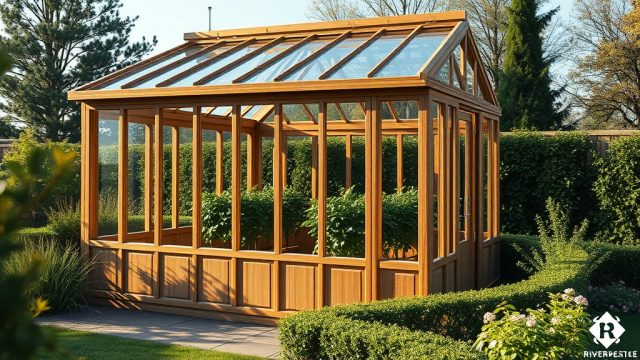
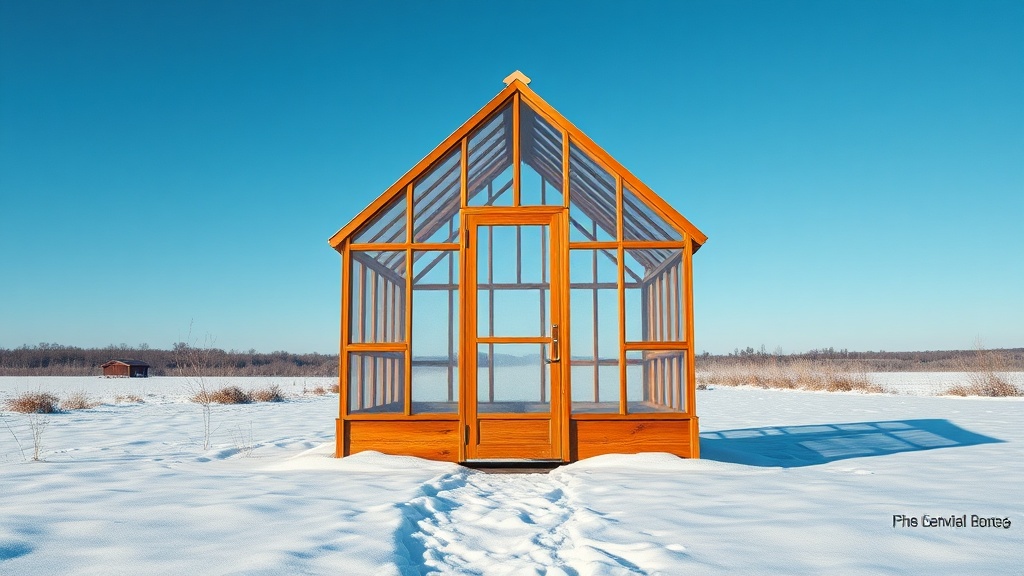
Why Does the Riverstone 6×8 Wooden Greenhouse Need Special Winterizing?
The Riverstone 6×8 Wooden Greenhouse is a compact, traditional structure built from pressure-treated timber and glass panels. While its design offers reliable year-round growing space, cold climates expose untreated wood to moisture, frost, and freeze-thaw cycles. Without proper winterizing, the frame can warp, seals can crack, and the interior environment becomes unsuitable for overwintering plants. This guide provides actionable maintenance and cleaning steps to protect your investment during the harshest months.
What is the Best Time to Start Winterizing This Greenhouse?
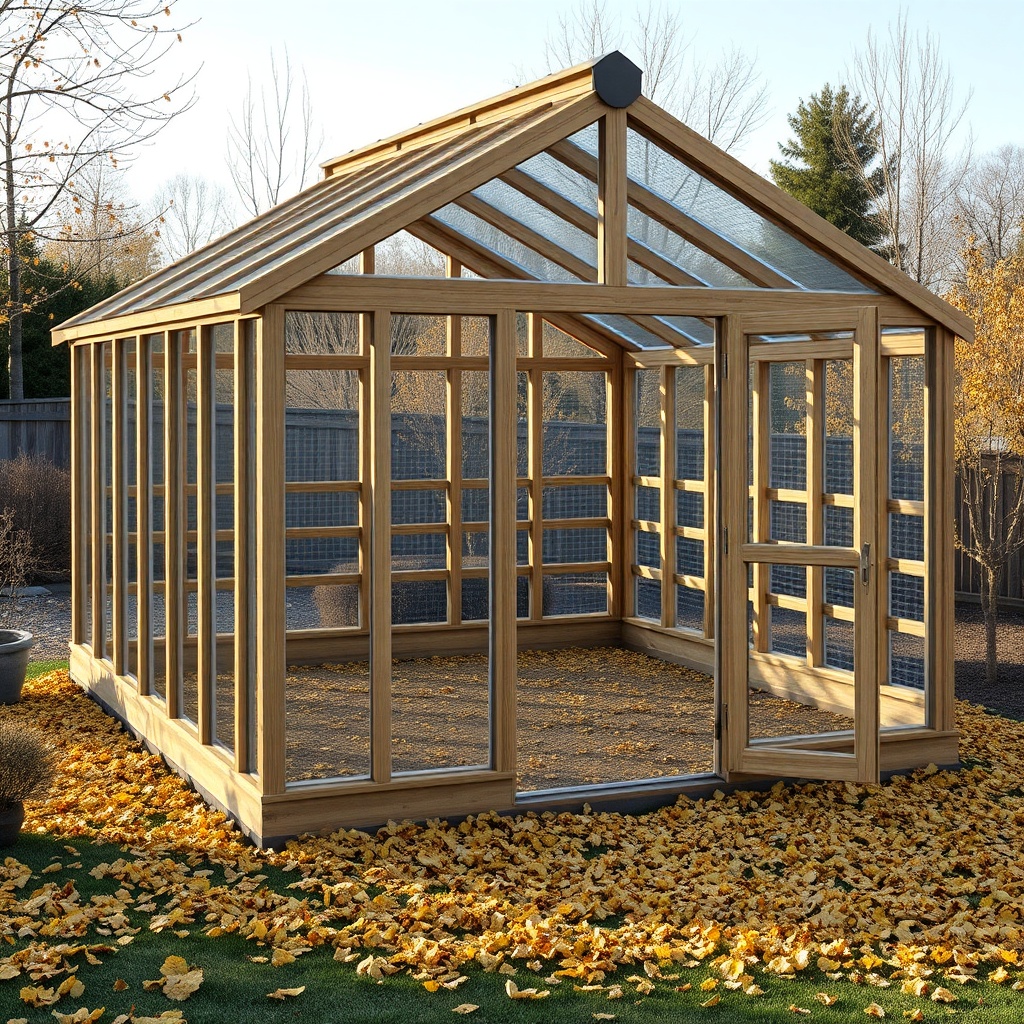
The ideal window for winterizing the Riverstone 6×8 Wooden Greenhouse is early to mid-autumn, before the first hard frost. In most cold climates, this means late September through October. Starting early allows you to complete all cleaning and sealing tasks while temperatures remain above 10°C (50°F), ensuring paints and sealants cure properly. Additionally, this timing lets you inspect and repair any damage from summer use before it worsens under winter moisture.
Begin by removing all plants, pots, and debris from the interior. This gives you clear access to every corner for thorough cleaning. It also prevents pest hitchhikers from overwintering inside the greenhouse. Once cleared, you can assess the condition of the wood, glass, and caulking.
How Should You Clean the Glass and Frame Before Sealing?
Thorough cleaning is the foundation of winterizing. Dirt, algae, and mold can trap moisture against wood and glass, accelerating decay. For the frame, use a soft brush and a mixture of warm water and mild dish soap. Avoid pressure washers, as high pressure can force water into wood grain joints. For stubborn mold or mildew, add a splash of white vinegar to the cleaning solution.
For the glass panels, a solution of 1 part white vinegar to 10 parts water works well to remove mineral deposits and algae. Use a squeegee or microfiber cloth to avoid streaks. Pay special attention to the glazing channels and corners where dirt accumulates. After cleaning, allow all surfaces to dry completely for at least 24 hours before applying any sealant or stain.
If your Riverstone 6×8 has plastic glazing instead of glass, use a cleaner specifically designed for polycarbonate to avoid scratching or hazing the material.
What Sealant and Stain Options Work Best for Cold Climates?
The pressure-treated timber of this greenhouse is naturally resistant to rot, but exposure to harsh winters requires added protection. A high-quality exterior wood stain with UV protection and water repellency is essential. For cold climates, choose a stain that is flexible enough to expand and contract with temperature swings. Products like Cabot’s Australian Timber Oil or Thompson’s WaterSeal are popular choices.
Before applying, sand any rough areas or exposed nail heads to prevent rust stains. Apply one thin coat of stain to all exterior wood surfaces, including the base, rafters, and door frames. A second coat after 24 hours provides extra durability. For interior wood, a clear sealant or linseed oil can maintain the natural look while preventing moisture absorption.
| Issue | Severity Level (1-5) | Common Cause | Best Preventive Action |
|---|---|---|---|
| Wood warping | 4 | Freeze-thaw cycles | Apply flexible exterior stain |
| Glass seal failure | 3 | UV degradation + moisture | Replace old caulk with silicone-based sealant |
| Mold growth on frame | 3 | Poor ventilation in winter | Install automatic roof vent kit |
| Door stickiness | 2 | Swelling from moisture | Sand and repaint door edges |
| Base rot | 5 | Standing water near foundation | Clear snow and improve drainage |
For detailed product recommendations, see our guide on Riverstone 6×8 Wooden Greenhouse: Best Frame Stain and Sealant Options for Longevity.
How Do You Check and Replace Caulking Around Glass Panels?
Inspect every glass panel joint for gaps, cracks, or missing caulk. Even a small gap allows cold air to enter and warm air to escape, which can cause condensation inside the glass. This condensation then drips onto plants and wood, promoting rot. Use a putty knife to remove old, brittle caulk. Clean the area with rubbing alcohol to ensure adhesion.
Replace with a high-quality silicone-based exterior caulk that remains flexible in low temperatures. Apply a thin, even bead along each glass edge, smoothing it with a wet finger. Let it cure for 48 hours before exposing the greenhouse to rain or snow. Pay extra attention to the ridge vent and door seals, as these areas experience the most movement.
If you are considering automation, read our step-by-step installation article: Riverstone 6×8 Wooden Greenhouse: How to Install an Automatic Roof Vent Opener.
What Steps Prevent Snow and Ice Damage to the Structure?
Snow load on the roof of a 6×8 greenhouse can exceed 100 pounds in heavy storms. While the pitched roof design sheds some snow, you should still remove excess snow after each storm using a roof rake with a soft rubber edge to avoid scratching the glass. Never walk on the roof. For the base, clear snow away from the foundation to prevent moisture wicking into the wood.
Consider installing a drip irrigation line with a timer to keep the soil moist even in winter, as dry soil freezes faster. This is covered in our setup guide: Riverstone 6×8 Wooden Greenhouse: Automatic Drip Irrigation Setup for Consistent Watering. Additionally, an automatic vent opener can help moderate temperature swings while preventing ice accumulation in the ridge.
What Owners Say About Winter Preparation
Gardeners in USDA zones 4–6 who own the Riverstone 6×8 report that consistent winterizing is the key to longevity. One owner in Vermont noted that after three winters of applying a high-quality stain each autumn, the wood still looks like new. Another in Minnesota emphasized the importance of clearing snow within 24 hours to prevent frame warping. Several users recommend pairing winterizing with a small heater for overwintering tender perennials. For heater options, see Riverstone 6×8 Wooden Greenhouse: Best Heating Solutions for Cold Climates.
DIY builders also stress the value of proper assembly from the start. A poorly built greenhouse is harder to winterize. For assembly tips, refer to Riverstone 6×8 Wooden Greenhouse: DIY Assembly Tips for First-Time Builders.
Frequently Asked Questions
Can I use this greenhouse in sub-zero temperatures without additional heating?
Without supplemental heat, the Riverstone 6×8 maintains interior temperatures about 5–10°C (9–18°F) above outside lows. In a severe cold snap of -20°C (-4°F), the interior may drop below freezing. A small electric heater with a thermostat is recommended for overwintering sensitive plants.
How often should I apply stain or sealant to the wood?
In cold climates with heavy snow and rain, apply a fresh coat of exterior stain every 12–18 months. Touch up any bare spots as soon as you notice them, especially around door hinges and corners.
Is it necessary to remove snow from the roof after every storm?
Yes, if snow depth exceeds 15–20 cm (6–8 inches). The structure can handle light snow, but heavy accumulation stresses the glass seals and frame. Use a soft roof rake to avoid damage.
Can I pressure wash the wooden frame?
No. Pressure washing forces water into the wood grain and joints, causing swelling and rot. Use a soft brush and bucket instead.
What type of caulk is best for glass panels in cold climates?
A silicone-based exterior caulk rated for -40°C to 80°C (-40°F to 176°F) is ideal. It remains flexible in extreme cold and seals well against moisture.
Should I leave the automatic vent open during winter storms?
Close and seal all vents before a storm. Ice can form on the opening mechanism, and snow can enter. Open the vent on mild, sunny winter days to reduce condensation.