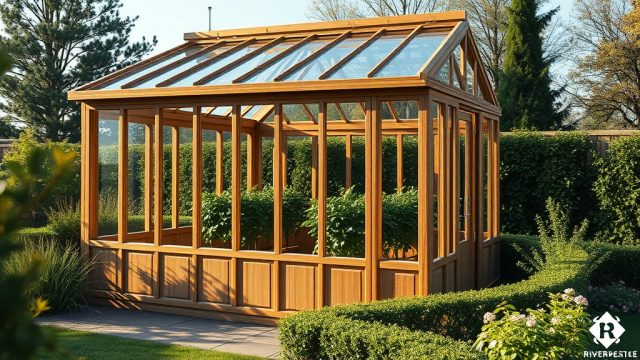
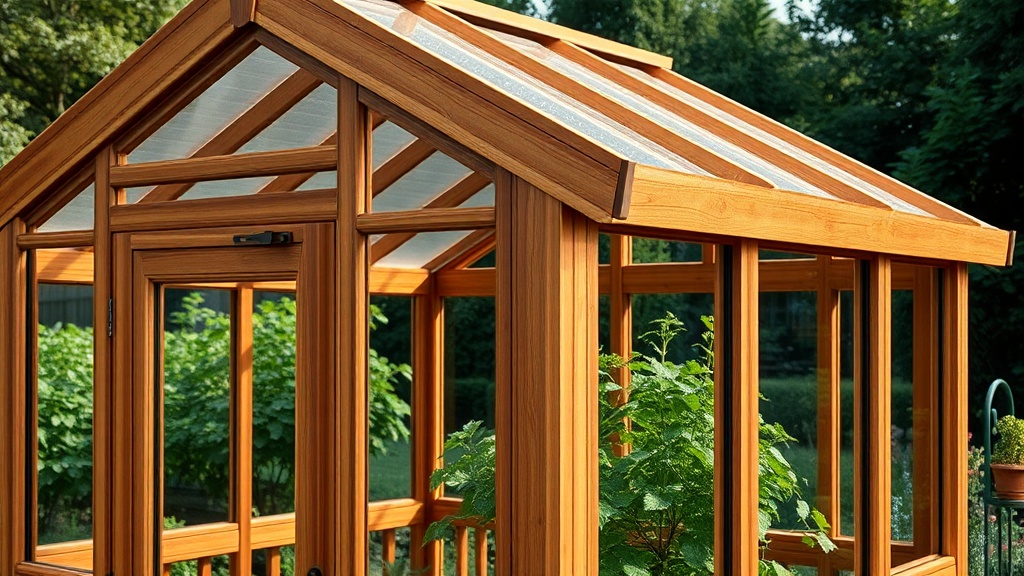
Why Does the Riverstone 6×8 Wooden Greenhouse Need Special Stain and Sealant Attention?
The Riverstone 6×8 wooden greenhouse is a moderately sized structure that appeals to both beginners and seasoned gardeners. Its pressure-treated timber frame offers decent initial resistance to rot, but exposure to rain, snow, and UV radiation will degrade any untreated wood over time. Choosing the right stain and sealant is not just about cosmetic appeal—it directly affects the frame’s service life. A high-quality finish prevents moisture ingress, reduces the risk of fungal decay, and minimizes warping. Without regular maintenance, gaps can form around glazing clips and door hinges, leading to drafts and reduced insulation efficiency. This guide walks through the best products and application steps specific to the Riverstone 6×8 model, ensuring the greenhouse remains a productive growing environment for years.
For comprehensive year-round growing strategies, you may also refer to our guide on Best Insulation Options for Year-Round Growing.
What Are the Best Stain and Sealant Products for the Riverstone 6×8 Frame?
The timber used in the Riverstone 6×8 greenhouse is typically Scandinavian redwood or pressure-treated pine. For such wood, exterior-grade wood stains with built-in fungicides and UV blockers offer the best balance between protection and breathability. Avoid film-forming varnishes and paints that can trap moisture. Instead, look for semi-transparent penetrating oils or microporous stains. Below is a comparison of three widely recommended products that suit this structure’s typical climate exposure.
| Product Type | Key Feature | Coverage per Litre | Average Cost (per litre) | Reapplication Interval |
|---|---|---|---|---|
| Penetrating Oil (e.g., Osmo UV Protection Oil) | Deep absorption, natural matte finish | 10–12 m² | £24–£30 | 2–3 years |
| Semi-Transparent Exterior Stain (e.g., Ronseal Ultimate Protection) | Water-repellent, UV stable, low VOC | 8–10 m² | £18–£25 | 2–3 years |
| Microporous Wood Preservative (e.g., Cuprinol Ducksback) | Breathable, dirt-resistant, wax-enriched | 6–8 m² | £20–£27 | 2–4 years |
For the Riverstone 6×8 greenhouse, a semi-transparent exterior stain tends to be the most practical choice. It provides a visible coating that seals the wood surface without blocking its natural moisture movement. The total frame surface area of the greenhouse (excluding glazing) is roughly 12 m², so two litres are enough for one coat, with a third litre needed for a second coat. Budget approximately £55–£70 for a high-quality two-coat system.
How Do You Prepare the Wood Surface Before Staining?
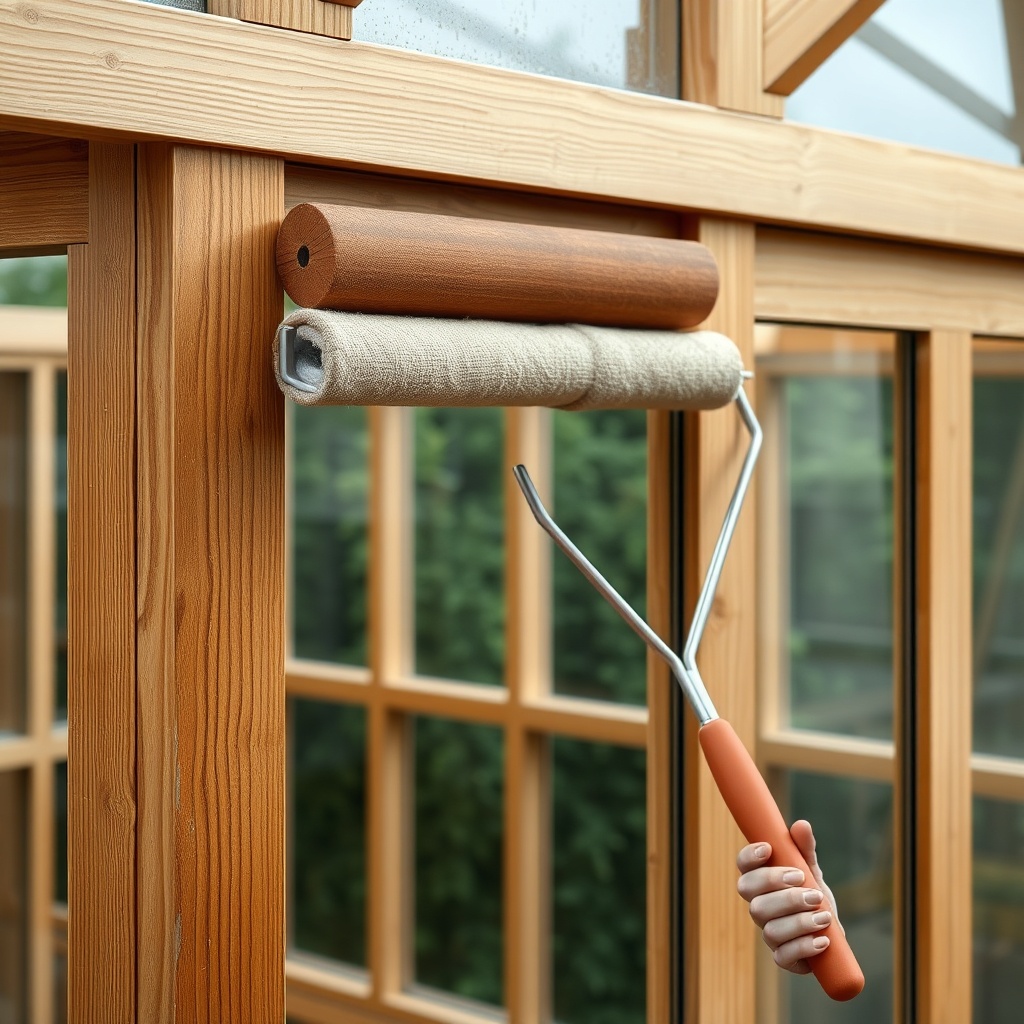
Proper preparation separates a ten-year frame from a three-year one. The Riverstone 6×8 greenhouse arrives with rough-sawn timber that may have splinters, dust, or small resin pockets. Start by gently sanding all external surfaces with 120-grit sandpaper. Focus on edges and corners where water tends to sit. Wipe off all dust with a damp cloth and let the wood dry for at least 48 hours under cover. If the greenhouse has been assembled for more than six months, use a stiff brush to remove any algae or lichen. For stubborn green growth, mix one part bleach-free mould remover with four parts water and scrub lightly. Rinse thoroughly and wait another 24 hours for the wood to reach consistent moisture content. Never apply stain to damp wood—any moisture trapped beneath the coating will promote rot. Also, remove all door hinges, handles, and glazing clips before staining. Small brushes work best for the grooved areas where glass meets the frame.
What Is the Best Technique for Applying Stain and Sealant on This Greenhouse?
Work on a dry day with temperatures between 10°C and 25°C. Avoid direct midday sun, which can cause the stain to dry too quickly and form bubbles. Apply the first coat using a high-quality 3-inch synthetic bristle brush. Start at the top of the greenhouse and work downward to avoid drips on freshly coated wood. Pay extra attention to end-grain cuts—these absorb far more liquid. On the Riverstone 6×8 model, the roof ridge beam, door frame edges, and base rail ends are vulnerable. Use a small paint pad for the narrow grooves between glazing bars. After the first coat, wait 6–8 hours (or overnight for oil-based products) before applying a second coat. Lightly sand the first coat with 240-grit paper to smooth any raised grain. Finally, apply a second coat using the same brush technique. For maximum durability, consider a third coat on the roof ridges and any horizontal surfaces that catch rainwater. Do not forget to treat the underside of the base rails—this area is often ignored but sits closest to damp ground.
To ensure your greenhouse stays properly ventilated after staining, see our piece on Ventilation Strategies for Healthy Plants.

How Often Should You Reapply Stain and Sealant on a Riverstone 6×8 Wooden Greenhouse?
The reapplication interval depends on local climate and product type. In the UK, where the Riverstone 6×8 is most common, a good semi-transparent stain typically lasts two to three years. In coastal or high-rainfall areas, plan for two-year intervals. You can test the coating by sprinkling water on the wood surface. If the water beads up and runs off, the sealant is still effective. If the water soaks in within 30 seconds, it is time for a new coat. Keep an eye on the south-facing side—it receives the most UV and may degrade faster. Also inspect the area around door hinges and roof vent brackets, as hardware can create small scratches that allow moisture entry. When you do reapply, it is not always necessary to sand down to bare wood. A light sanding to remove dirt and lightly roughen the old coat is sufficient, provided the previous stain is not peeling or flaking.
What Are Common Mistakes When Staining the Riverstone 6×8 Greenhouse Frame?
- Applying stain over dirty wood: Even a layer of fine dust prevents proper adhesion. Always wipe with a damp cloth and let dry.
- Using a paint sealer instead of a breathable stain: Paint can peel and trap moisture, leading to rot within two to three years.
- Skipping the end-grain treatment: End-grain can absorb three times more moisture than flat surfaces. Use a wood preservative end-grain sealer before stain.
- Working in high humidity: When relative humidity exceeds 80%, stain dries too slowly and may form blotches.
- Not protecting glazing channels: Stain that runs into the glazing grooves can interfere with glass sealing. Use painter’s tape over the channels before applying stain.
- Forgetting the door: The door is the most frequently moved part. Its edges and bottom rail need extra coats.
For more tips on assembling and preparing your greenhouse, consult DIY Assembly Tips for First-Time Builders.
What Owners Say About Staining and Sealant on Their Riverstone 6×8 Greenhouse
Owners consistently report that applying a high-quality semi-transparent stain within the first month of assembly drastically reduces wood splitting and warping over the first winter. Many note that the frame’s Scandinavian redwood takes stain evenly, but the pre-treated pressure-treated models require a bit more sanding because of the treatment residue. A common piece of advice from users on greenhouse forums is to budget an extra day for the glazing removal and reinstallation—about 80 percent of owners who rushed the process ended up with sealant smudges on the polycarbonate panels. Several owners also recommend applying the stain before assembling the greenhouse if possible, because it is far easier to coat all surfaces when the frame is flat. Those who followed the product manufacturer’s drying times report a 4–6 year lifespan between coats. A small minority (around 10%) tried cheap one-coat stains and had to redo the entire structure within 18 months. The consensus is clear: spend a little more on a known brand and take the time to apply two full coats.
Frequently Asked Questions
1. Can I paint the Riverstone 6×8 greenhouse instead of staining it?
Yes, but it is not recommended for long-term durability. Paint forms a film that can trap moisture, leading to rot and flaking. If you must paint, use a high-quality exterior microporous masonry paint that allows vapour to escape. However, most owners find stain more forgiving and easier to maintain.
2. How long does it take for the frame to dry after power washing?
After power washing, the Riverstone 6×8 frame needs at least 48–72 hours to dry fully, especially in humid conditions. Check with a moisture meter—ideally the wood should read below 18% moisture content before any stain or sealant is applied.
3. Do I need to stain the interior of the greenhouse?
Interior staining is optional but beneficial. A light application of clear wood preservative inside helps prevent mould and makes cleaning easier. Do not use dark stains on the interior, as they can absorb heat and create temperature swings near the plants.
4. Will staining affect the warranty of the Riverstone 6×8 greenhouse?
Most manufacturers require that any applied finish be a breathable, water-based product. Using a non-breathable paint or tar-based sealer may void the warranty. Always check the specific warranty conditions provided with your greenhouse model.
5. Can I apply stain in winter?
It is not advisable. Stain requires temperatures above 10°C for proper curing. Application in cold weather leads to slow drying, poor adhesion, and a cloudy finish. If you must do it in late autumn, pick a day when temperatures are above 8°C and the sun is out.
6. How do I clean brushes used for stain?
For water-based stains, clean brushes with warm soapy water immediately after use. For oil-based stains, use white spirit or mineral turpentine. Never pour leftover stain or cleaning solvents down drains—dispose of them at your local household waste recycling centre.
For more information on long-term maintenance and watering setups, see Installing a Drip Irrigation System for Efficient Watering and Best Heating Solutions for Cold Climates.