What Makes Winterizing the Suncast 8×6 Tremont a Priority?
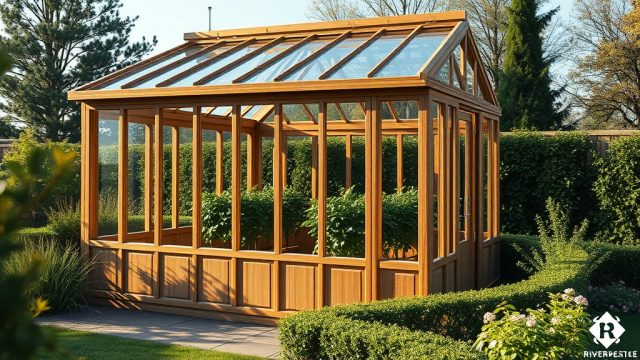
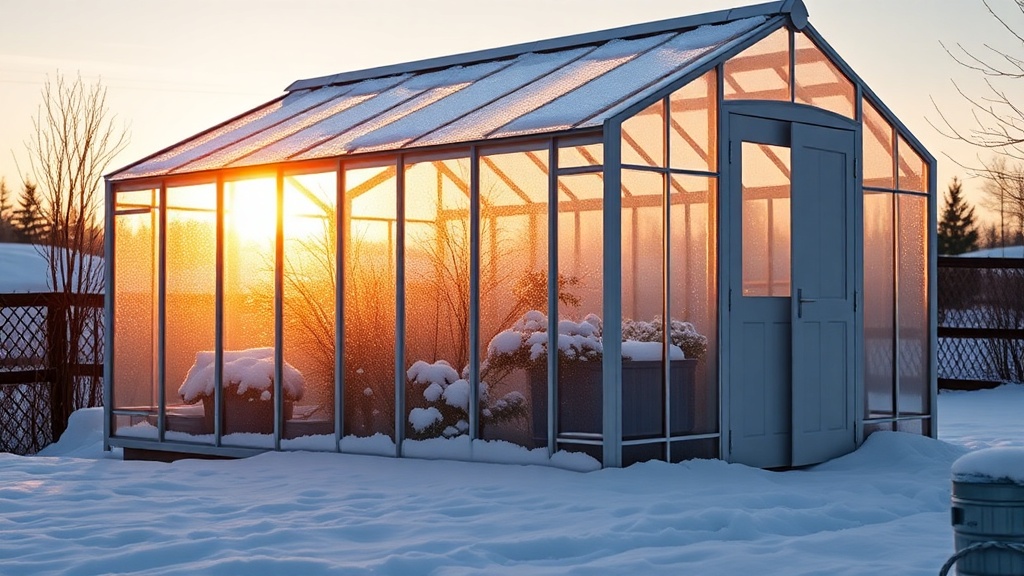
The Suncast 8×6 Tremont greenhouse offers resin construction and polycarbonate glazing that perform well in mild climates, but winter conditions demand specific maintenance to prevent damage and extend its lifespan. Snow loads, freezing temperatures, and condensation can stress the frame and panels if left unaddressed. This guide provides a step-by-step winterizing routine tailored to the Tremont’s materials, focusing on cleaning, inspection, and protective measures.
Regular winter maintenance not only safeguards your investment but also ensures a stable environment for plants during colder months. By following these practices, you can avoid costly repairs and maintain peak performance even when temperatures drop below freezing.
How Should You Clean the Suncast 8×6 Tremont Before Winter?
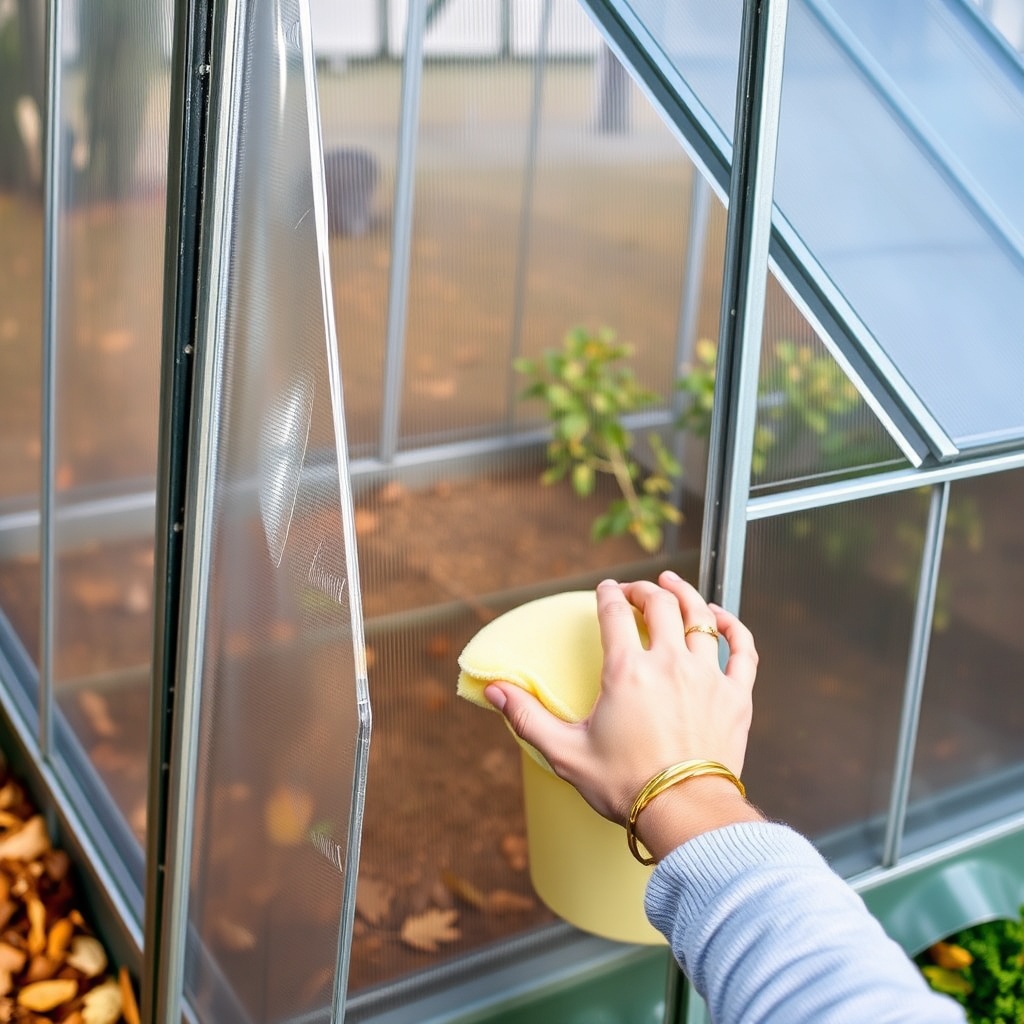
Cleaning the resin panels and frame before winter is essential to remove debris that can trap moisture and promote mold or mildew growth. Start by gently rinsing the exterior with a garden hose to dislodge loose dirt and leaves. For stubborn grime, use a soft sponge or microfiber cloth with a mild detergent solution—avoid abrasive cleaners or pressure washers, which can scratch the polycarbonate or warp the resin.
Pay special attention to the gutters and roof channels, where leaves and twigs often accumulate. Blocked gutters can lead to water pooling and ice dams during freeze-thaw cycles. Additionally, wipe down the interior panels with a damp cloth to remove condensation residue and dust. For a deeper clean, refer to our Suncast 8×6 Tremont Maintenance: Cleaning and Care for Resin Panels guide, which covers panel-specific techniques.
Which Parts of the Frame and Panels Need Inspection for Winter?
Before winter sets in, inspect the aluminum-reinforced resin frame for cracks, warping, or loose connections. The Suncast Tremont uses a hybrid design: resin panels provide insulation and corrosion resistance, while metal components—such as hinges and corner brackets—add structural strength. Check all bolts and screws for tightness, as freezing temperatures can cause contraction and loosen fasteners.
For the polycarbonate panels, look for signs of wear like yellowing, small cracks, or separated seals. Pay particular attention to the glazing channels and trim strips, which can become brittle in extreme cold. If you notice any damage, consider replacing panels before winter to avoid further degradation. Our article on Suncast 8×6 Tremont Glazing: How Durable Are the Polycarbonate Panels? provides insights into panel longevity and replacement costs, typically ranging from $50 to $120 per panel depending on size.
| Component | Inspection Focus | Common Winter Issues |
|---|---|---|
| Resin Frame | Cracks, warping, loose joints | Contraction leading to gaps |
| Polycarbonate Panels | Yellowing, cracks, seal integrity | Brittleness in sub-zero temps |
| Metal Hinges & Brackets | Rust, corrosion, stiffness | Freezing of moving parts |
| Gutters & Roof Channels | Clogs, debris buildup | Ice damming, water backup |
What Steps Prevent Snow and Ice Damage to the Tremont?
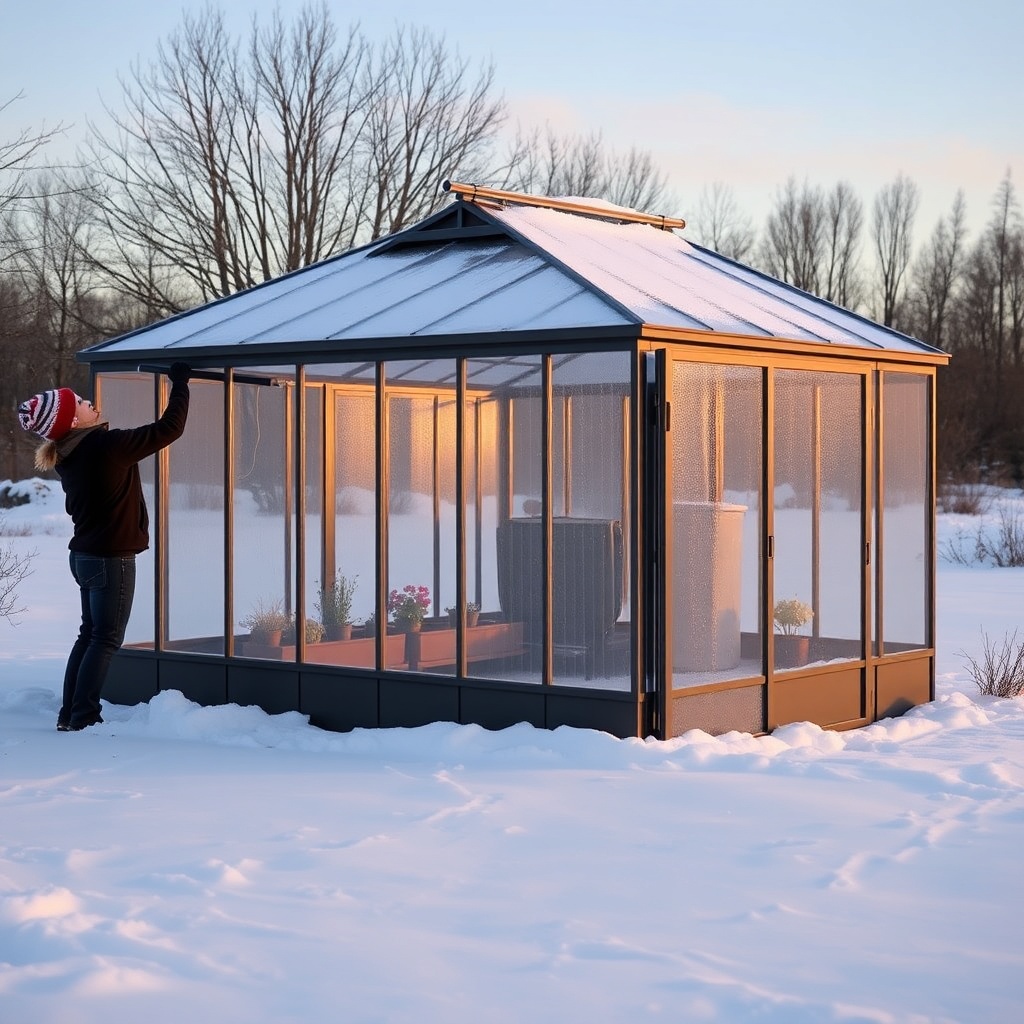
Snow accumulation on the roof of a Suncast 8×6 Tremont can exceed the structure’s capacity if left unchecked. The manufacturer rates the roof for light to moderate snow loads—up to approximately 15 pounds per square foot—but heavy, wet snow can stress the resin panels and frame. Use a soft-bristled roof rake or a long-handled broom to gently remove snow after each storm, working from the edges toward the center to avoid unbalanced loads.
For ice prevention, ensure that the roof has adequate drainage by clearing gutters and downspouts. Applying a silicone-based lubricant to door hinges and latch mechanisms can prevent freezing and cracking when temperatures drop. If you live in an area with frequent freeze-thaw cycles, consider installing a heating cable along the roofline to melt ice dams. More detailed heating strategies are covered in our Suncast 8×6 Tremont Heating: Best Ways to Keep It Warm in Winter guide.
How Does Condensation Management Improve Winter Performance?
Condensation is a primary concern in winter because warm, moist air inside the greenhouse meets cold polycarbonate panels, leading to water droplets that can drip on plants or promote fungal growth. To manage condensation, start by increasing ventilation—even in cold weather, cracking a roof vent or side window for 10–15 minutes daily can reduce humidity. The Tremont’s manual roof vent is effective, but upgrading to an Suncast 8×6 Tremont: Automatic Ventilation System Installation and Review can automate this process, responding to temperature changes.
Another strategy is to apply an anti-condensation coating to the interior of the polycarbonate panels. These coatings are available at greenhouse supply stores for around $30–$50 and can reduce droplet formation by up to 70%. Additionally, place a dehumidifier or moisture-absorbing materials like calcium chloride buckets inside the greenhouse to lower ambient humidity. Regular cleaning of panels also helps maintain optimal light transmission, which reduces temperature fluctuations that lead to condensation.
What Routine Tasks Maintain the Resin Frame and Polycarbonate Longevity?
Beyond winter-specific steps, the Suncast 8×6 Tremont benefits from ongoing care to maintain its structural integrity. Every three to four months, apply a UV-protective spray or wax to the resin frame and panels. This helps prevent fading and cracking from sun exposure, which can weaken the material over time. Use only products labeled safe for polycarbonate and resin to avoid chemical damage.
Check the foundation anchors and base plates periodically, as frost heave can shift the greenhouse and stress the frame. If the unit is on a gravel or paver base, ensure it remains level and drains properly. For a comprehensive look at ongoing care, see our Suncast 8×6 Tremont Maintenance: Cleaning and Care for Resin Panels guide, which details monthly and seasonal tasks.
What Owners Say About Winter Durability and Maintenance
Many Suncast 8×6 Tremont owners report that the greenhouse holds up well in winters with moderate snowfall, but emphasize the importance of proactive maintenance. One owner from Minnesota noted that after three seasons, the resin frame showed no warping, but the polycarbonate panels developed minor cracks near the edges following a particularly heavy snow event. They recommend clearing snow promptly and not waiting for accumulations to melt naturally.
Another owner in the UK praised the corrosion resistance of the frame, especially compared to metal alternatives, but pointed out that the door latch can freeze in sub-zero conditions. Their solution was to apply a silicone spray to the latch and hinges, which resolved the issue. Several owners mentioned that the Suncast 8×6 Tremont Frame: Resin vs Metal – Which Offers Better Longevity? comparison helped them choose this model for its lower maintenance needs. Overall, the consensus is that with regular cleaning and winterization, the Tremont performs reliably for six to eight years before major parts need replacement.
Frequently Asked Questions
1. How often should I clean the Suncast 8×6 Tremont panels in winter?
Clean the panels every four to six weeks during winter to remove debris and prevent condensation stains. If you notice persistent moisture or algae growth, increase frequency to every three weeks.
2. Can I use de-icing salt on the greenhouse path?
Avoid de-icing salt near the greenhouse as it can corrode metal components like hinges and brackets. Use sand or non-salt-based ice melt products instead.
3. What is the maximum snow load for the Suncast 8×6 Tremont?
The manufacturer recommends not exceeding 15 pounds per square foot of snow load. Heavier loads can cause panel cracking or frame distortion. Always clear snow after each storm.
4. Do I need to lubricate the door and vents before winter?
Yes, apply a silicone-based lubricant to all moving parts—door hinges, latch, and vent mechanism—before temperatures drop. This prevents freezing and extends component life.
5. Can I install an automatic vent opener on the Tremont for winter use?
Yes, automatic vent openers are compatible with the Tremont’s roof vent. They help regulate temperature and reduce condensation without manual intervention. Check our review for installation tips.
6. How long do the resin panels last with proper winter care?
With regular cleaning and UV protection, the resin panels typically last 5–8 years before needing replacement. Polycarbonate panels may last 10–15 years if cracks and yellowing are addressed promptly.