What Makes Insulation Critical for the Riverstone 6×8 Wooden Greenhouse?
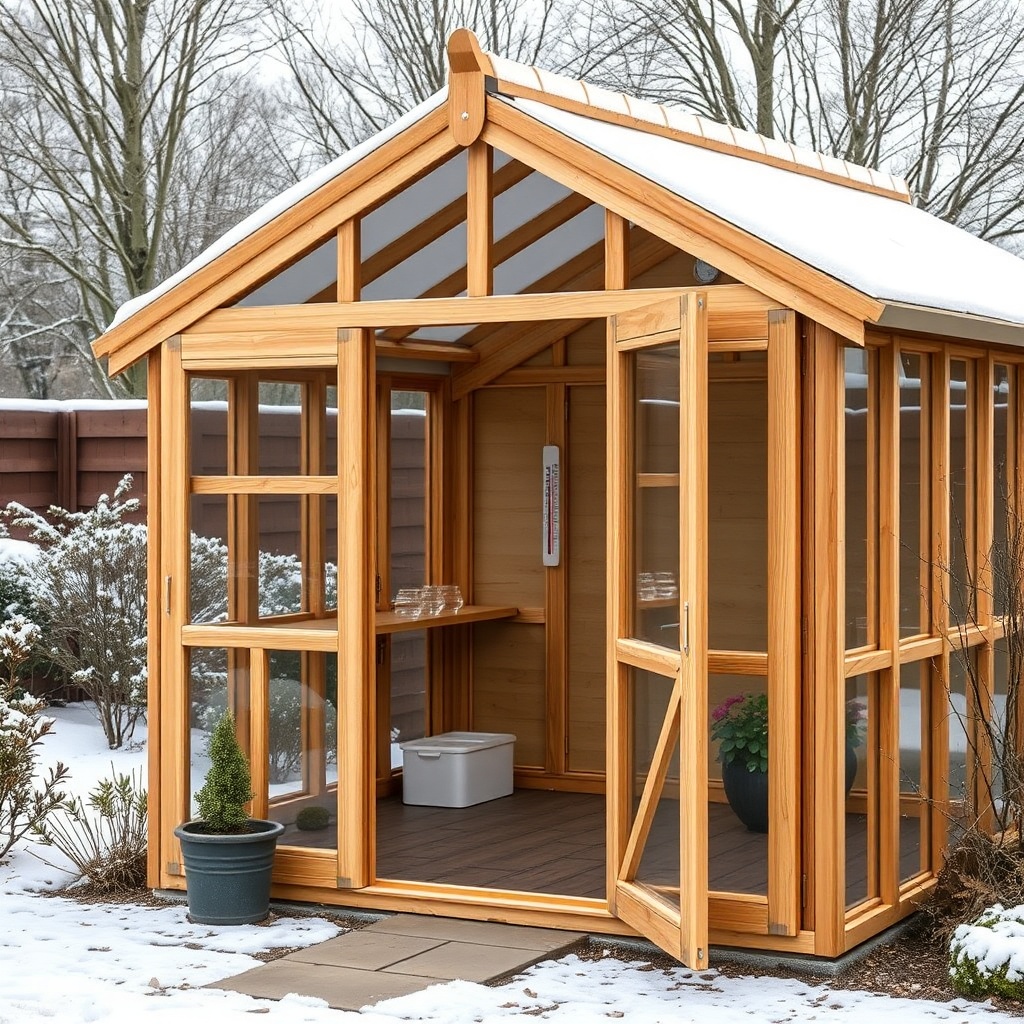
The Riverstone 6×8 Wooden Greenhouse offers a classic timber frame and ample growing space, but its single-glazed polycarbonate panels and wooden construction require thoughtful insulation to maintain stable temperatures year-round. Without proper heat retention, growers face temperature swings that stunt growth and increase heating costs. This article explores the best insulation options to transform your Riverstone 6×8 into a four-season growing environment, focusing on practical solutions that balance performance with budget.
How Does Bubble Wrap Insulation Perform in a Riverstone 6×8 Wooden Greenhouse?
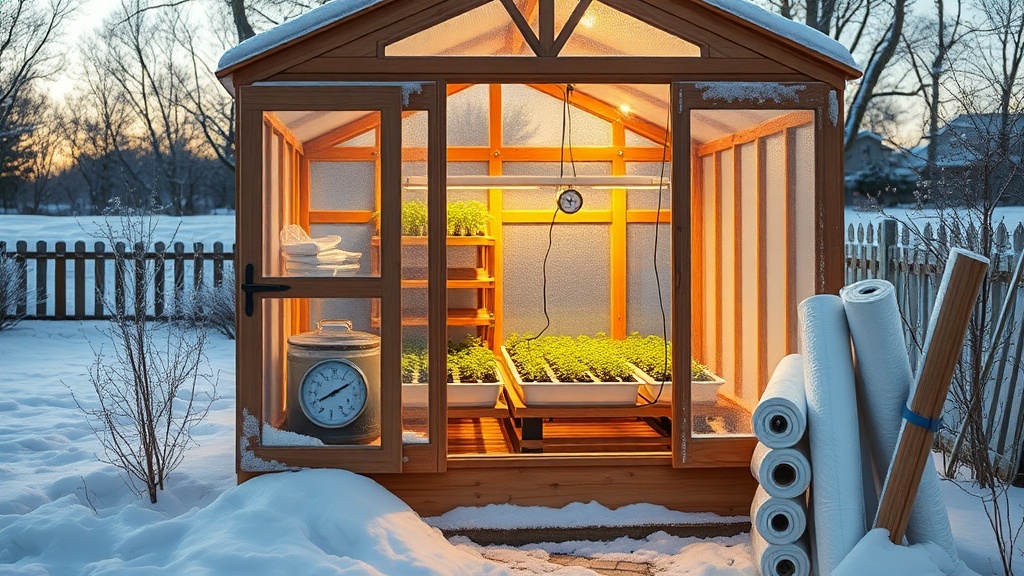
Horticultural bubble wrap remains the most cost-effective insulation for the Riverstone 6×8. The 6×8 footprint (roughly 48 square feet) requires about 80 square feet of bubble wrap to cover all glazing panels. The air pockets create a dead-air layer that reduces heat loss by up to 40% during mild winter nights. Install it using greenhouse clip fasteners or magnetic tape along the wooden frame—avoid stapling directly into the wood, which can create moisture entry points. For extreme cold, double-layer bubble wrap provides additional thermal resistance without blocking too much light. Expect to pay £35–£55 for a roll covering the entire greenhouse.
Key drawbacks: bubble wrap reduces light transmission by 10–15%, so clean it regularly and remove during summer months. It also degrades after one or two seasons in direct UV exposure, requiring annual replacement. For more details on managing moisture around wooden frames, see our guide on Riverstone 6×8 Wooden Greenhouse: Troubleshooting Common Rot Issues.
What Are the Best Polycarbonate Upgrade Options for Thermal Retention?
If you’re willing to invest, swapping the standard 4mm twin-wall polycarbonate for 6mm or 10mm multi-wall sheets dramatically improves insulation. The Riverstone 6×8 comes with 4mm clear polycarbonate (R-value ~1.8), but upgrading to 6mm twin-wall (R-value 2.5) or 10mm triple-wall (R-value 3.0) reduces heat loss by 30–50%. Installation requires removing existing panels, cleaning the aluminum channels, and fitting new sheets with UV-stabilized seals. Cost: £180–£320 for a full 6×8 kit, depending on thickness.
| Panel Type | Thickness | R-Value | Light Transmission | Cost per 6×8 Greenhouse |
|---|---|---|---|---|
| Standard twin-wall | 4mm | 1.8 | 82% | £0 (included) |
| Upgraded twin-wall | 6mm | 2.5 | 77% | £180–£220 |
| Triple-wall | 10mm | 3.0 | 70% | £280–£320 |
Triple-wall panels work best for growers in USDA zones 6 and below, but reduce light by 12% compared to 4mm—important for winter daylight hours. Always seal gaps with silicone to prevent drafts. For proper airflow management with upgraded panels, read Riverstone 6×8 Wooden Greenhouse: Best Ventilation Strategies for Healthy Plants.
Should You Line the Interior Walls with Insulating Foam Boards?
Rigid foam insulation (XPS or polyisocyanurate) applied to the interior wooden walls can dramatically reduce heat loss through the timber frame, which accounts for roughly 20% of total surface area. Cut 1-inch-thick foam boards to fit between the wooden framing members, then cover with reflective foil to radiate heat back into the growing space. This method raises interior temperatures by 4–7°C during cold nights and costs £60–£90 for the 6×8 structure. Ensure foam boards are fire-rated and use adhesive or mechanical fasteners—avoid foams that off-gas in high humidity.
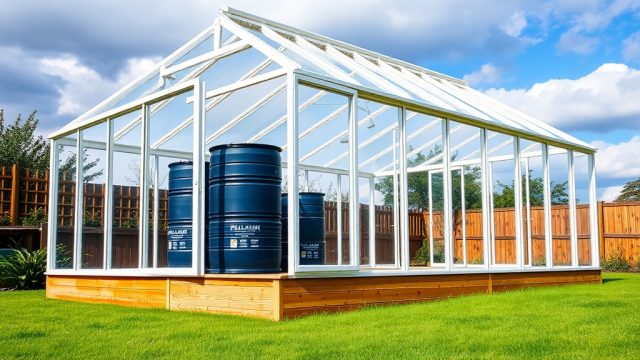
Important: leave a 1cm ventilation gap at the base to prevent moisture trapping against wood, which can promote rot. Pair this with a small circulating fan to move air behind the foam. For extra thermal mass, place water-filled containers against the insulated walls. See Riverstone 6×8 Wooden Greenhouse: Best Heating Solutions for Cold Climates for supplemental heat sources.
How Effective Are Thermal Curtains or Greenhouse Blankets?
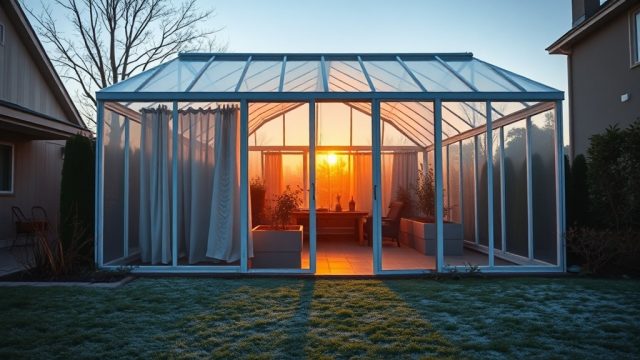
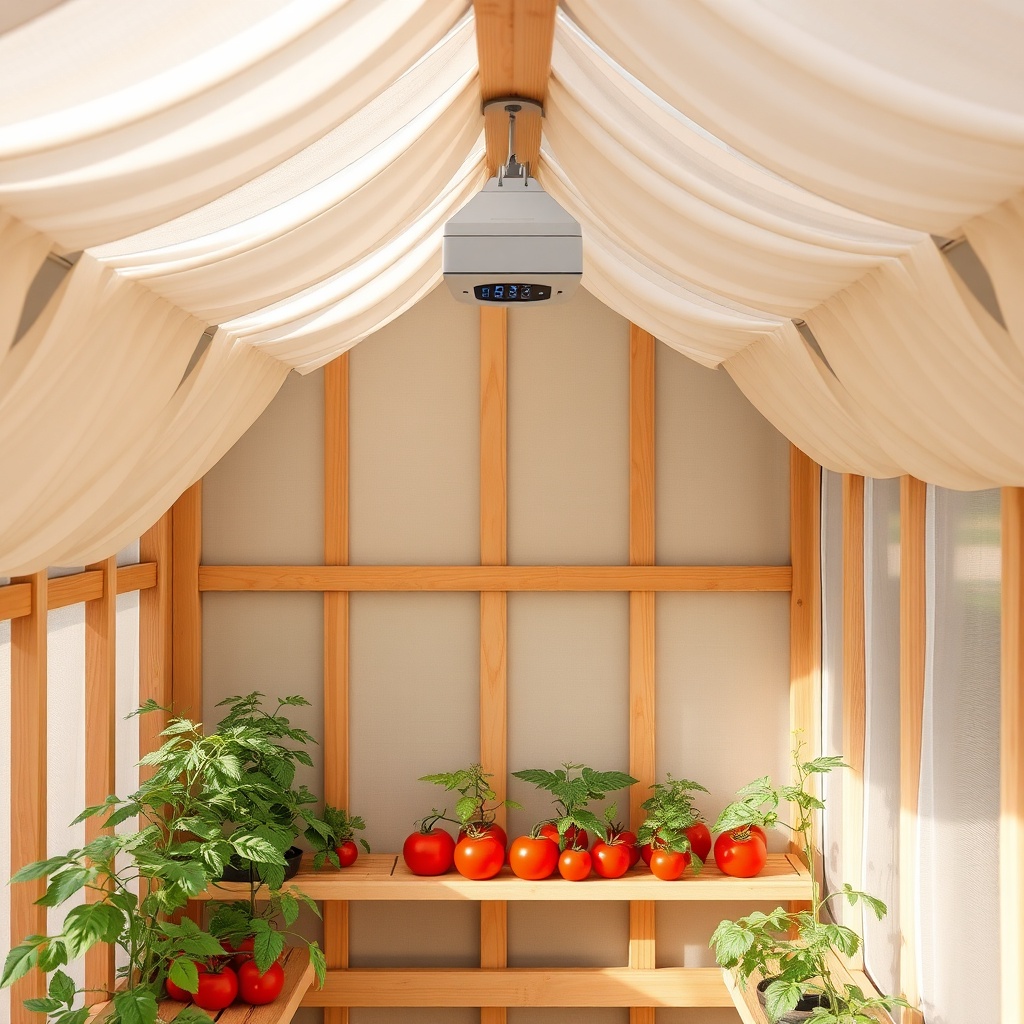
Thermal curtains—thick, insulated drapes mounted on tracks along the roof and walls—provide an adjustable insulation layer that can be opened during sunny days and closed at night. For the Riverstone 6×8, a single curtain across the roof ridge reduces heat loss by 25–35% when closed. Products like “Therma-Shield” or “Grow-Therm” polyester fleece blankets cost £90–£140 for the 6×8 size and attach via hooks or track systems. They also block light during summer, helping to prevent overheating. The main advantage: you can selectively insulate only when needed, preserving light during daylight hours.
Installation tips: use a curtain track that runs lengthwise (6-foot direction) to cover both roof and side panels. Weight the bottom hem to prevent drafts. Combine with bubble wrap on north-facing panels for maximal effect. Monitoring humidity is critical when curtains are closed—use a hygrometer to avoid condensation issues.
What Role Does Floor Insulation Play in Overall Heat Retention?
Uninsulated concrete or gravel floors can wick away heat, losing 10–15% of total warmth through ground conduction. For the Riverstone 6×8 (floor area 48 sq ft), laying 2-inch XPS foam under a plywood or rubber mat raised floor can stabilize root-zone temperatures by 3–5°C. Cost: £50–£80 for foam and flooring materials. Alternatively, place a thick layer of horticultural fleece or straw (6–8 inches deep) directly on the soil if growing in-ground—this costs £10–£20 but requires annual replacement.
For growers using raised beds, insulate the bed sides with foam board to protect roots from cold edges. Combine floor insulation with a Riverstone 6×8 Wooden Greenhouse: Automatic Irrigation System Setup to ensure water lines don’t freeze—insulate exposed pipes with foam tubes or heat tape in colder climates.
What Owners Say
“After upgrading to 6mm twin-wall panels and adding bubble wrap on the north side, my winter heating bill dropped by 40%—the Riverstone 6×8 stays at least 10°F warmer than outside without a heater running all night.” — Rachel M., USDA zone 6b
“I installed foam boards on the interior walls and used old duvets as thermal curtains. Total cost under £100, and I’m now growing lettuce and kale through December in zone 5. Just watch for condensation near the wood—I use a small dehumidifier.” — Tom K., Vermont
“The biggest difference came from floor insulation. I laid down 2-inch foam under a plywood floor, and my soil temperature in raised beds stayed above 55°F even during a freeze. Worth every penny.” — Sarah L., UK
Frequently Asked Questions
1. Is bubble wrap or foam board better for the Riverstone 6×8?
Bubble wrap is cheaper (£35–£55) and easier to install seasonally, but foam board provides permanent insulation with higher R-value per inch. Use bubble wrap as a first layer and add foam board on the coldest walls if needed.
2. Will insulation reduce light too much for seedlings in winter?
Bubble wrap cuts 10–15% light; foam board on walls has minimal impact. For winter seedlings, upgrade to 6mm twin-wall polycarbonate which transmits 77% of light—sufficient for low-light crops like lettuce. Supplement with grow lights if required.
3. Can I insulate the roof of the Riverstone 6×8 without blocking rain runoff?
Yes—use greenhouse-specific bubble wrap that permits water drainage through its channels. For foam board, install only on vertical walls, not on the roof slope, to avoid water pooling.
4. How do I prevent condensation on insulated wooden frames?
Ensure at least 1cm air gap between insulation and wood, use vapor-permeable membranes, and run an exhaust fan or open a vent for 30 minutes daily. See Riverstone 6×8 Wooden Greenhouse: Best Ventilation Strategies for Healthy Plants for specific venting schedules.
5. What’s the cheapest insulation method that works in zone 4?
Combine bubble wrap (all panels) with thick floor straw (6–8 inches) and thermal curtains (old blankets). Total cost: £50–£70. This can raise interior temperatures 5–8°C above outside during freezing nights.
6. Does insulating reduce the need for a heater entirely?
Only in mild climates (USDA zone 7+). In zones 4–6, insulation alone won’t keep temperatures above freezing during prolonged cold spells—you’ll still need a small greenhouse heater (e.g., 1.5kW fan heater) but it will run less frequently. For heater recommendations, read Riverstone 6×8 Wooden Greenhouse: Best Heating Solutions for Cold Climates.