Why Is Proper Ventilation Crucial for the Riverstone 6×8 Wooden Greenhouse?
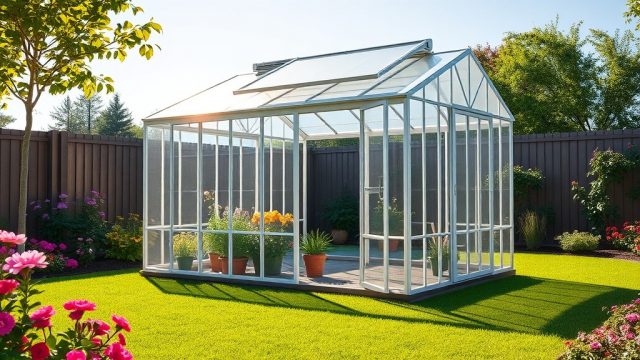
The Riverstone 6×8 Wooden Greenhouse, with its compact footprint of 48 square feet, presents unique challenges for air movement. Without active management, stagnant air traps moisture, encourages fungal diseases, and can cause temperature spikes exceeding 40°C (104°F) on sunny days. Effective ventilation is not optional; it is the primary tool for regulating both temperature and humidity, ensuring your seedlings, tomatoes, or peppers thrive rather than suffocate. This guide focuses on mechanical and passive strategies specifically tailored to the Riverstone 6×8, helping you create a stable microclimate without breaking the bank.
What Are the Most Cost-Effective Passive Ventilation Upgrades?
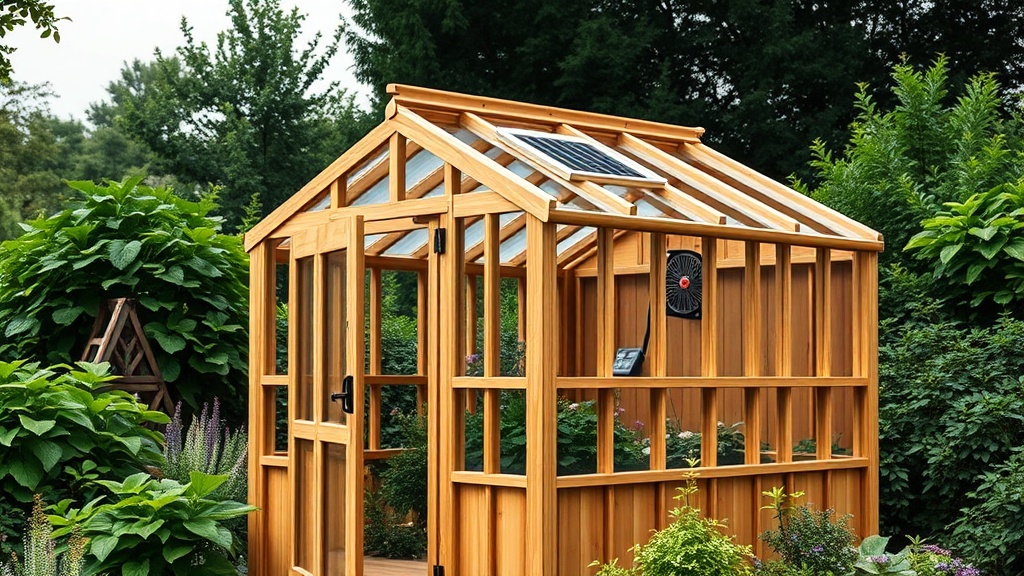
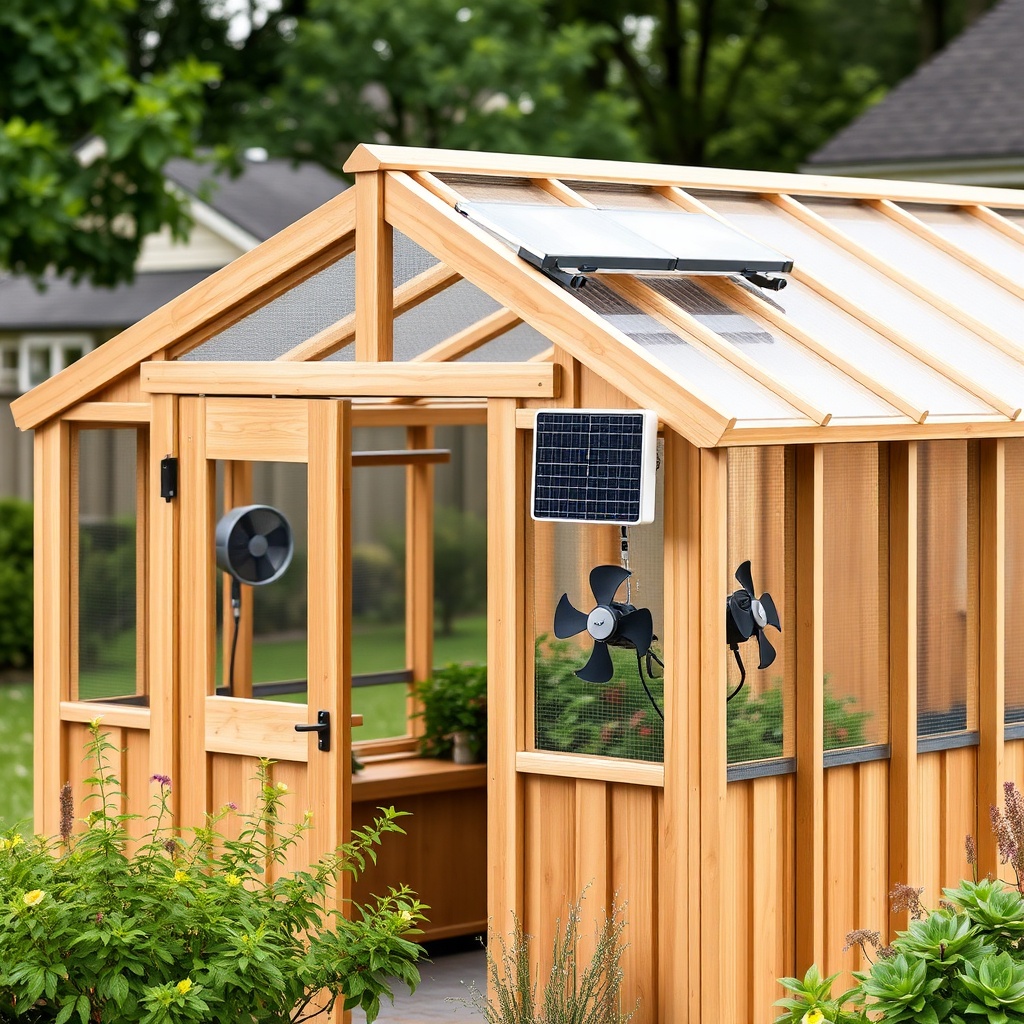
Passive ventilation relies on natural air movement through strategically placed openings. For a 6×8 structure, the most impactful upgrade is the addition of a second roof vent opposite the factory-installed one. The Riverstone kit typically includes one ridge vent; adding a second, ideally positioned on the opposite slope, creates a “chimney effect” where hot air escapes from the top and cooler air is drawn in through side louvers or the door. A lower side louver (approximately 300x300mm) near ground level on the opposite wall further enhances cross-flow. Total cost for this DIY upgrade: roughly £35–£50 for materials, installing a basic timber vent kit and a small louvre panel.
How Do You Size and Install a Mechanical Exhaust Fan?
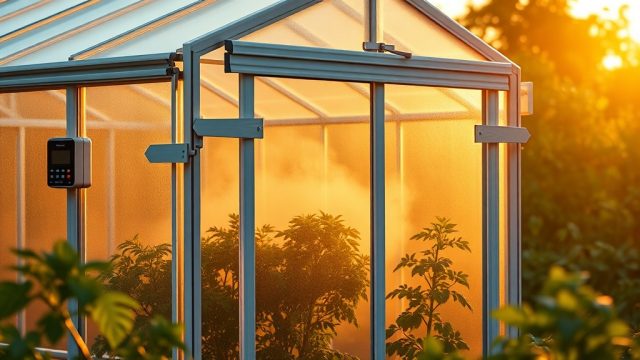
When passive vents are insufficient—during summer heatwaves or for heat-sensitive crops like lettuce—a mechanical fan becomes essential. For the Riverstone 6×8, calculate required fan capacity based on volume: 6ft x 8ft x average eave height of 6ft gives roughly 288 cubic feet. A fan rated for 300–400 CFM (cubic feet per minute) is ideal. Install the fan high on the gable end opposite the door, ideally paired with a louvered intake on the lower side wall. A 12V solar-powered fan (approx. £90–£130) eliminates wiring costs and works automatically on sunny days. Alternatively, a plug-in 240V fan with a thermostat controller (approx. £150–£200) offers precise temperature regulation. Mount the fan on a wooden frame cut into the glazing or sidewall, sealing edges with silicone to prevent water ingress.
What’s the Best Approach for Automatic Vent Openers?
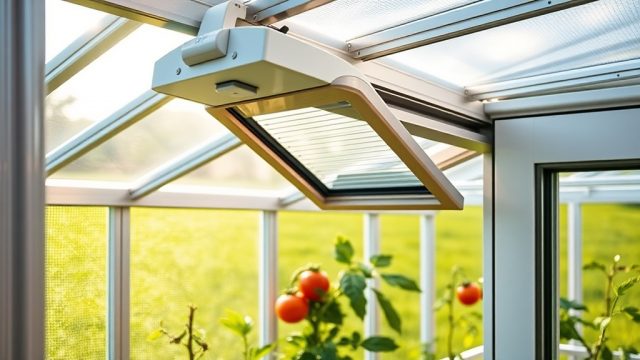
Thermostatic vent openers are a game-changer for the Riverstone 6×8. These wax-piston devices expand when temperatures rise above 22°C (72°F), pushing the roof vent open, and contract when cool to close it. Two units are recommended for a 6×8: one for each roof vent if you add a second, or a single heavy-duty model for the factory vent. Cost: approximately £25–£40 per opener. Installation is straightforward—bolt the bracket to the vent frame and the opener arm to the glazing bar. Ensure the vent hinges are well-lubricated to prevent the opener from straining. This investment (`£50–£80 total`) provides 24/7 passive temperature regulation without electricity, making it perfect for weekend gardeners who cannot manually open vents daily.
| Ventilation Method | Initial Cost (GBP) | Running Cost | Effectiveness (6×8) | Skill Level Required |
|---|---|---|---|---|
| Passive (single roof vent + door) | £0 (included) | None | Low (inadequate in summer) | None |
| Passive + additional roof vent + louver | £45–£65 | None | Medium | Intermediate |
| Vent openers (2 units) | £50–£80 | None | High (with good vent design) | Beginner |
| Solar fan (300-400 CFM) | £90–£130 | None (sun only) | Very High | Intermediate |
| Mains fan with thermostat | £150–£200 | ~£10/year | Excellent | Advanced (electrics) |
How Does Ventilation Interact with Humidity and Disease Prevention?
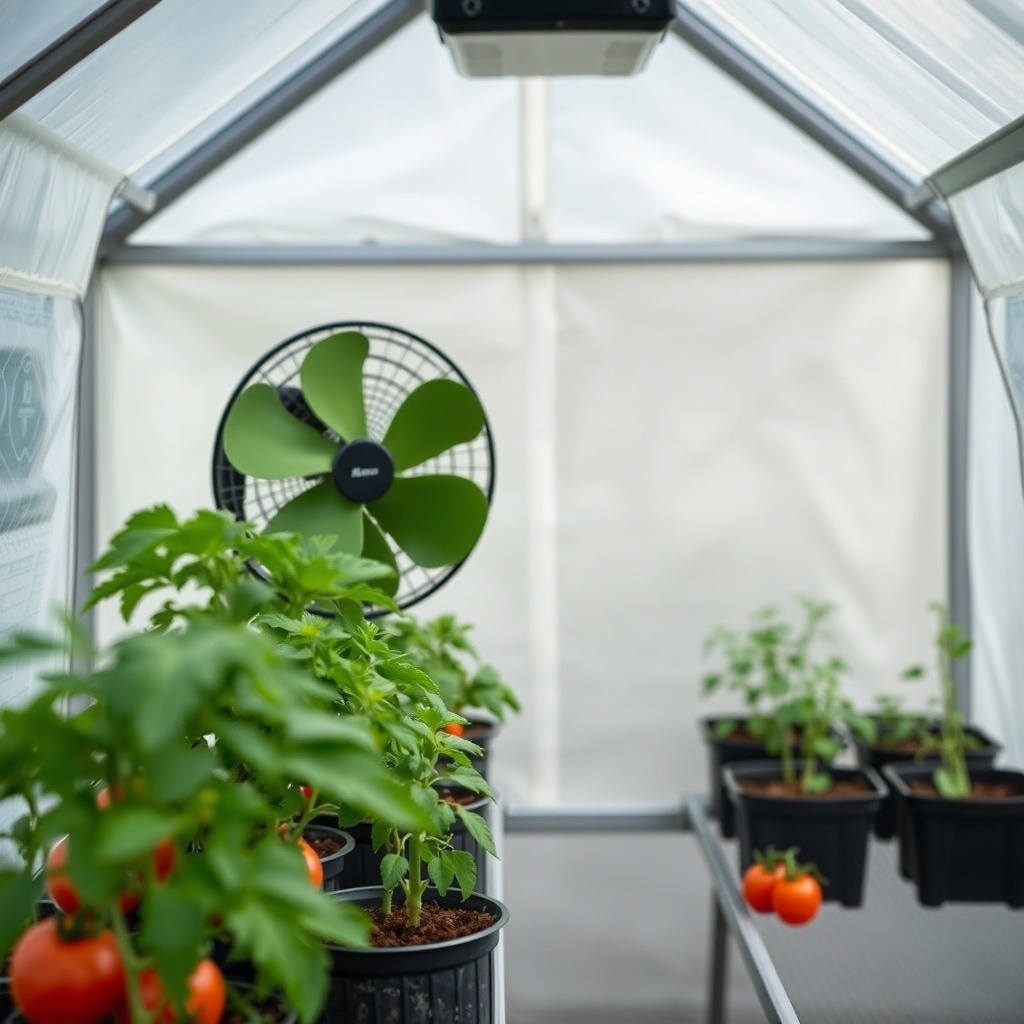
Stagnant air inside the Riverstone 6×8 is a breeding ground for botrytis and powdery mildew. Humidity levels should remain below 85% for most crops, and ventilation is the primary mechanism for moisture removal. A simple solution is to combine ventilation with Riverstone 6×8 Wooden Greenhouse: Automatic Irrigation System Setup—timing watering for early morning and then opening vents ensures surface moisture evaporates quickly. If you already have an irrigation system, consider adding a hygrometer (approx. £12) and a small clip-on fan to circulate air through the plant canopy. Even a small 20W fan running for 15 minutes after watering can reduce leaf wetness dramatically. For persistent rot issues, review our guide on Riverstone 6×8 Wooden Greenhouse: Troubleshooting Common Rot Issues.
What Owners Say About Their Riverstone 6×8 Ventilation Setups
Owner feedback consistently highlights that the factory-standard single roof vent is insufficient. “In July, my greenhouse hit 38°C even with the door wide open,” reports one gardener in Surrey. “I added a second vent with an automatic opener, and it dropped to 28°C. Best £40 I spent.” Another owner in Scotland notes, “I rely on a solar fan because I’m not home to open vents during the day. It keeps air moving even in overcast weather, and my basil hasn’t bolted since.” A third user emphasizes integration: “After setting up my drip system (see Riverstone 6×8 Wooden Greenhouse: Installing a Drip Irrigation System for Efficient Watering), I realized excess moisture was a problem. A louvered intake solved it by pulling in dry air from outside, not humid ground air.” Common advice: prioritize at least one automatic vent opener and consider a fan if you grow tall, dense crops like tomatoes. For cold weather ventilation, owners pair open vents with a heater, detailed in Riverstone 6×8 Wooden Greenhouse: Best Heating Solutions for Cold Climates.
Frequently Asked Questions
1. Can I use a standard household fan in my Riverstone greenhouse?
Yes, but only if it is rated for outdoor or damp environments. Standard desk fans can short out in high humidity. A 16-inch pedestal fan with an IPX4 rating or higher is safe. Position it to create gentle air movement across plants, not direct wind on leaves.
2. How do I prevent condensation on the wooden frame?
Condensation is a sign of poor ventilation. Open roof vents fully during the day. In winter, crack a louver or use a humidity-controlled fan. You can also treat the wood with a penetrating sealant. For insulation advice, read Riverstone 6×8 Wooden Greenhouse: Best Insulation Options for Year-Round Growing.
3. Where should I place intake vents for best airflow?
Intake vents should be low on the wall opposite the exhaust fan or roof vent. A 300x300mm louver near ground level on the north or east side works well. This creates a natural path: cool air enters low, warms up, and exits high.
4. Do I need ventilation in winter?
Yes, even in cold weather. Stagnant, humid air causes rot and mold. Open a roof vent a few inches for 10 minutes each day, or run a low-speed fan. Avoid freezing plants in extreme cold; see heating solutions Riverstone 6×8 Wooden Greenhouse: Best Heating Solutions for Cold Climates.
5. How often should I clean or maintain my ventilation equipment?
Clean fan blades and louvres every month to remove dust and debris. Check automatic vent openers once a year for wax leaks or rust. Lubricate hinges and pivot points with silicone spray every three months.
6. Can I install ventilation features myself?
Most ventilation upgrades are DIY-friendly. Adding a roof vent or louver requires cutting into the greenhouse frame or glazing, which is straightforward with a jigsaw and proper sealant. Electrical fan installations should follow local regulations; consider hiring a qualified electrician for mains-wired systems.