Introduction: Why Heating Matters for Your Riverstone 6×8 Wooden Greenhouse
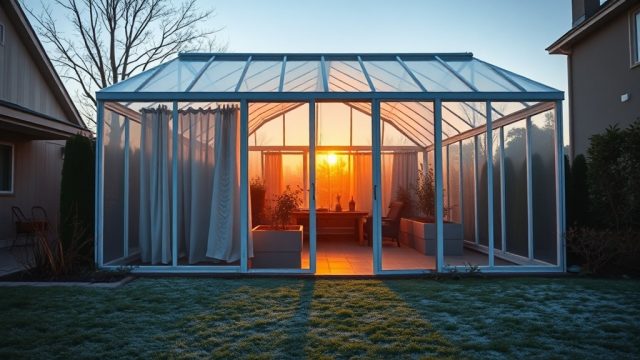
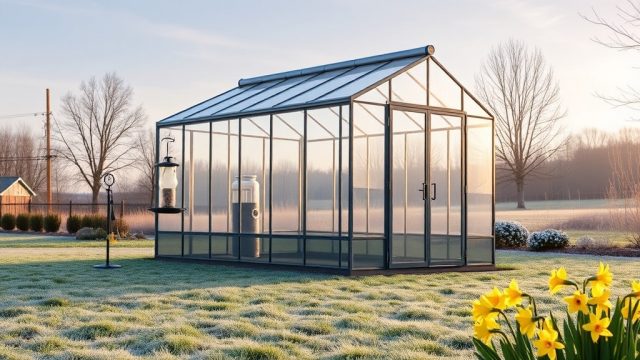
For gardeners in cold climates, the Riverstone 6×8 Wooden Greenhouse offers a sturdy, classic structure, but without proper heating, early frosts and freezing nights can ruin a season’s work. This compact 48-square-foot space, with its tongue-and-groove cedar or pine walls, holds heat better than metal or plastic models, yet it still loses warmth through its single-pane glass or polycarbonate glazing. In this guide, we explore the most effective heating solutions—from budget-friendly electric heaters to advanced passive solar setups—to keep your Riverstone greenhouse productive even when temperatures drop well below freezing.
What Is the Optimal Heating Strategy for a Riverstone 6×8?
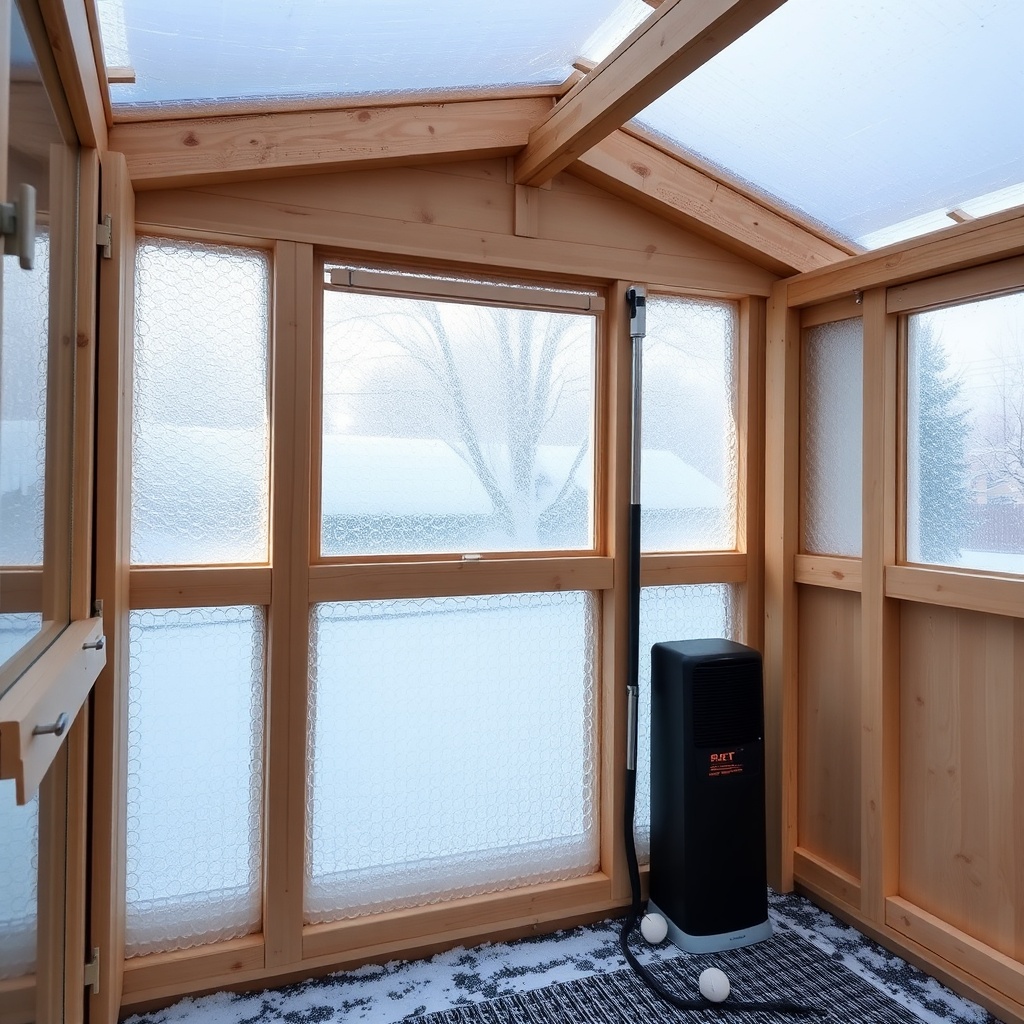
The best approach combines a primary heat source with robust insulation to minimize energy costs. For a 6×8 wooden greenhouse, the internal volume is roughly 380 cubic feet (assuming a 8-foot ridge height), so you don’t need industrial-scale equipment. Start by sealing gaps: caulk around window frames and door edges—wood expands and contracts, creating drafts. Then add bubble wrap or rigid foam to the north wall and roof panels. A 1,500-watt electric fan heater with a built-in thermostat is often sufficient for most zones (USDA 6–7), but for harder winters (zone 4–5), you’ll want a 2,000-watt unit or a propane vented heater. Always prioritize safety with proper ventilation for combustion-based systems.
Electric Heaters vs. Gas Heaters: Which Suits Your Budget and Climate?
Choosing between electric and gas depends on your local energy prices, climate severity, and how often you use the greenhouse. Below is a direct comparison for the Riverstone 6×8.
| Feature | Electric Fan Heater (1500W) | Propane Vented Heater (20,000 BTU) |
|---|---|---|
| Initial cost | £40–£80 | £150–£300 |
| Running cost (per month, UK winter) | ~£60–£90 (assuming 8 hrs/day at £0.28/kWh) | ~£35–£55 (propane at £0.75/litre) |
| Heat output | ~5,120 BTU/h | 20,000 BTU/h |
| Ventilation required | None | Vented combustion gases; must exhaust outside |
| Installation | Plug and play; requires GFCI outlet | Needs gas line or tank, ventilation duct |
| Best for | Mild frost protection (down to -5°C) | Deep freeze (down to -15°C) with insulation |
For most Riverstone 6×8 owners, electric heaters are simpler and safer for occasional use. If you plan to grow year-round in a zone 5 or colder, a propane heater with a thermostat is worth the investment. See our guide on Riverstone 6×8 Wooden Greenhouse: Best Heating Solutions for Cold Climates for detailed sizing formulas.
How Can Passive Solar Heating Reduce Energy Bills?
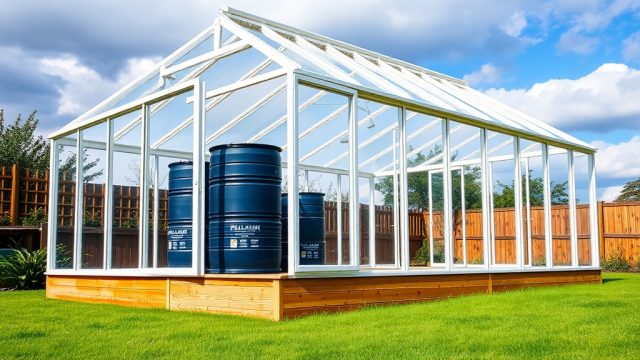
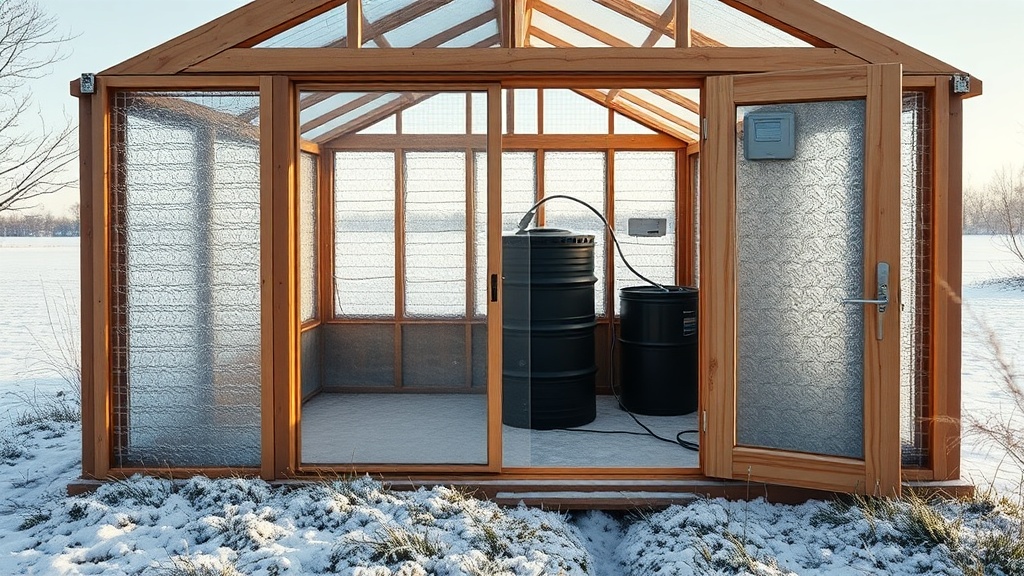
Passive solar heating is free, but it requires deliberate design. The Riverstone 6×8’s south-facing glazing already captures sunlight. Maximise this by painting the interior north wall (or a masonry water tank) flat black or dark green—this absorbs heat during the day and releases it at night. A 50-gallon (227-litre) black water barrel placed inside can store enough thermal mass for a 3–5°C temperature boost overnight. Combine with a thermal curtain (insulated shade) pulled across the glazing after sunset to reduce heat loss. Even simple steps like keeping the door closed and using a draft strip under the base will cut heating costs by 15–20%. For a full insulation retrofit, read our Riverstone 6×8 Wooden Greenhouse: Best Insulation Options for Year-Round Growing piece.
What Insulation Upgrades Are Essential Before Installing Heaters?
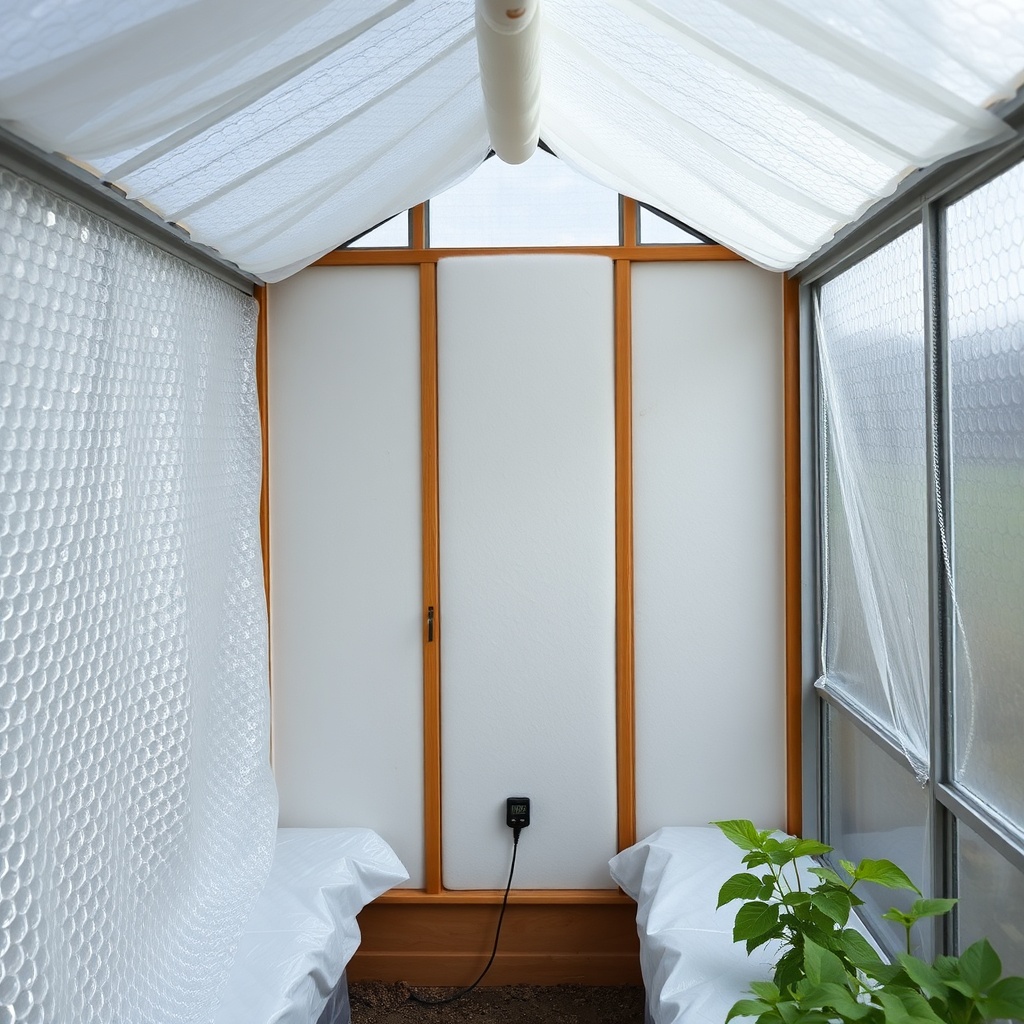
Before spending on a heater, seal and insulate the Riverstone 6×8 first. The wooden frame is naturally more insulating than aluminium, but single glazing is a weak point. Apply greenhouse bubble wrap (double-layer, UV-stabilised) to all glass—this can reduce heat loss by up to 40%. For the north wall and roof sections, rigid XPS foam board (25mm thick) cut to fit inside the frame works extremely well. Also, insulate the base: lay a 50mm thick polystyrene sheet under the gravel or concrete floor, or use a thick rubber mat to stop ground chill. Every gap you fill means your heater works less. A well-insulated Riverstone 6×8 can be kept frost-free with just a 500–750W heater in mild climates.
- Interior glazing film: Double-sided bubble wrap, £12 per 10m roll
- Rigid foam panels: 25mm XPS, £25 per 1.2m x 2.4m sheet
- Floor insulation: Polystyrene base sheet, £15 per 1m²
- Draft-proofing tape: Self-adhesive foam strip, £5 per 10m
These investments pay back within one harsh winter. Visit our Riverstone 6×8 Wooden Greenhouse: Best Ventilation Strategies for Healthy Plants article to balance insulation with necessary airflow.
Should You Use a Thermostat and Timer to Automate Heating?
Yes. Manual control wastes energy and risks plant damage. A digital thermostat plug (rated for at least 10 amps) lets you set a target temperature—for example, 4°C for frost protection or 10°C for tender plants. Pair it with a timer if you want the heater to run only during the coldest hours (midnight to 6 a.m.). More advanced models include Wi-Fi connectivity so you can monitor the greenhouse from your phone. For the Riverstone 6×8, a single thermostat-controlled socket for a 1500W heater is sufficient. Always use an RCD (residual current device) for outdoor electrical safety. For automating vents alongside heating, see our tutorial on Riverstone 6×8 Wooden Greenhouse: How to Install an Automatic Roof Vent Opener.
What Owners Say About Heating Their Riverstone 6×8 in Winter
Owners consistently highlight two themes: the importance of insulation before the heater, and the effectiveness of small electric units. “I used a 2000W oil-filled radiator with a thermostat, plus double bubble wrap on the roof. Even when it was -8°C outside, the greenhouse stayed at 2°C—enough for my overwintering lettuce,” reports one gardener in Derbyshire. Another owner from Scotland notes, “I added a 50-litre water barrel painted black against the north wall. My 750W fan heater now only comes on at 5 a.m. for an hour. Huge savings.” Complaints centre on condensation—without ventilation, heaters cause fogging, so many combine heating with an automatic louvre vent or a low-speed extractor fan. Check our Riverstone 6×8 Wooden Greenhouse: Installing a Drip Irrigation System for Efficient Watering article for managing moisture when heat is on.
Frequently Asked Questions
1. What size heater do I need for a Riverstone 6×8 greenhouse?
For frost protection (keep above 0°C), a 750–1000W heater is enough if the greenhouse is well insulated. For growing warm‑season crops (15°C), use 1500–2000W.
2. Can I use a paraffin (kerosene) heater?
Yes, but they produce water vapor and carbon dioxide. This can increase humidity and cause mould. Use only with good ventilation, and never overnight unless you have a flue.
3. How do I power an electric heater in my Riverstone 6×8?
Run a RCD-protected outdoor extension cable from a weatherproof socket. For permanent installation, hire an electrician to fit a dedicated circuit with a fused spur.
4. Will insulation trap too much moisture?
Only if you have no ventilation. Install a louvre vent or use a passive vent opener on the roof. Our Riverstone 6×8 Wooden Greenhouse: Ventilation Strategies for Healthy Plants guide covers balancing humidity.
5. Is a greenhouse heater expensive to run?
At current UK electricity rates (£0.28/kWh), a 1500W heater running 8 hours per night costs about £3.36 per day. Gas or propane is cheaper but requires installation.
6. Can I heat my Riverstone 6×8 without electricity?
Passive solar with thermal mass (water barrels, stone floor) can raise night temperatures by 2–3°C. Composting manure in a bottom shelf also generates heat. For deep freeze, these methods alone won’t suffice.