Palram Canopia Harmony 6×8: Insulation Properties of Polycarbonate Panels
For greenhouse enthusiasts in the UK, maintaining consistent temperatures is often the difference between a bountiful harvest and a frost-bitten failure. The Palram Canopia Harmony 6×8 greenhouse is engineered with twin-wall polycarbonate panels that deliver exceptional thermal insulation, reducing heat loss and protecting plants from temperature swings. This article examines the insulation properties, R-values, and heat retention performance of this popular greenhouse model.
What Type of Polycarbonate Panels Does the Palram Canopia Harmony 6×8 Use?
The Harmony 6×8 features 4 mm twin-wall polycarbonate panels. This multi-wall construction traps air between two layers of UV-stabilised polycarbonate, creating a thermal barrier that slows heat transfer. The panels are designed to be translucent, diffusing sunlight to reduce hot spots and minimise shadowing, which improves light distribution for plant growth. Unlike single-layer glass, these panels can reduce heat loss by up to 50% compared to standard greenhouse glass, making them ideal for year-round growing in temperate climates.
For a comparison of glazing performance, see our Greenhouse Buying Guide: Polycarbonate vs Glass – Which Glazing Is Best?
What Is the R-Value and U-Value of the Harmony 6×8 Panels?
Thermal performance is quantified through R-values (resistance to heat flow) and U-values (thermal transmittance). The twin-wall polycarbonate panels in the Palram Canopia Harmony 6×8 typically offer an R-value of approximately R-1.7 (in imperial units) or a U-value of about 2.7 W/m²K. This is significantly better than 3 mm single-pane glass (U-value around 5.7 W/m²K) but not as high as triple-wall polycarbonate used in professional horticultural greenhouses. For a 6×8 structure, this means that internal temperatures can remain 5–8 °C warmer on a typical frosty night compared to outside air, assuming minimal ventilation leakage.
| Glazing Type | R-Value (Imperial) | U-Value (W/m²K) | Heat Loss Reduction vs Single Glass |
|---|---|---|---|
| 3 mm Single Glass | R-0.9 | 5.7 | 0% (baseline) |
| 4 mm Twin-Wall Polycarbonate (Harmony) | R-1.7 | 2.7 | ~53% |
| 6 mm Twin-Wall PC (premium) | R-2.0 | 2.3 | ~60% |
[[IMG: Polycarbonate twin-wall panel cross-section showing internal air cells and UV coating.
How Does the Frame Design Affect Insulation and Thermal Bridging?
The aluminium frame of the Harmony 6×8 plays a critical role in overall insulation. Aluminium is a highly conductive material, so the design includes thermal breaks—rubber gaskets and seals—between the frame and the polycarbonate panels. This reduces thermal bridging, where heat escapes directly through the frame. The frame’s interlocking system also minimises air gaps. However, the frame itself can still conduct some heat, which is why the base seal (rubber strip along the bottom) is essential to prevent cold drafts. For more on frame integrity, read our Palram Canopia Harmony 6×8 Frame: How Strong Is the Aluminum Structure?
Proper assembly ensures these seals remain intact. Our Palram Canopia Harmony 6×8 Assembly: Step-by-Step Guide and Time Estimate details how to avoid common seal misalignments.
Can the Palram Canopia Harmony 6×8 Retain Heat Without Additional Heating?
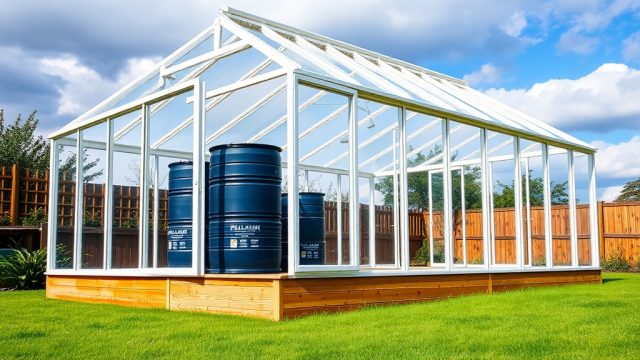
Passive heat retention in a 6×8 greenhouse depends on several factors: panel insulation, sealing, thermal mass, and orientation. The twin-wall polycarbonate alone can keep the interior 3–6 °C above ambient on a still night. On a typical Scottish winter night with outdoor lows of -2 °C, you might see 2–4 °C inside—still above freezing. However, for tender plants or early starts, this may not suffice. The structure’s low height (6×8 means about 1.8 m peak height) means there is less air volume to stabilize temperature, so heat loss can occur faster. Adding a heater or thermal mass (e.g., water barrels) can improve this. For heating options, see Palram Canopia Harmony 6×8: Best Heating Options for Winter.
What Impact Does Ventilation Have on Insulation and Moisture Control?
Ventilation is a double-edged sword for insulation. The Harmony 6×8 includes sliding roof windows that allow warm, moist air to escape. While ventilation is essential to prevent fungal diseases and overheating, it also removes heat. The roof windows slide laterally, allowing targeted ventilation without fully opening the roof. On cold nights, closing them completely preserves heat. The door is also designed with a threshold seal to reduce drafts. For optimal insulation, always ensure vents are closed in winter and only opened during daytime for humidity control. Learn more in our Palram Canopia Harmony 6×8 Ventilation: Roof Sliding Windows Review.
[[IMG: Greenhouse interior shot showing roof windows closed with frost outside.
What Owners Say About Insulation Performance
Feedback from UK gardeners who have owned the Palram Canopia Harmony 6×8 for at least one winter is generally positive regarding insulation. “I was sceptical about polycarbonate, but after a -3 °C night, my greenhouse stayed at +2 °C—enough to protect my tender seedlings,” reports a grower from Cheshire. Another owner from Scotland notes that “the panels diffuse light beautifully without fading, and the double-wall truly does reduce heat loss.” However, a few comment about condensation forming on the interior panel surfaces in high-humidity conditions, which the manufacturer acknowledges as normal for polycarbonate. Most agree that adding a small fan heater (see our guide above) makes it viable for year-round growing. The frame’s thermal bridging is rarely criticised, though some suggest upgrading the base seal for coastal areas.
Frequently Asked Questions
1. How thick are the polycarbonate panels on the Harmony 6×8?
They are 4 mm twin-wall polycarbonate. This is standard for mid-range greenhouses; some premium models use 6 mm panels.
2. Does the UV coating affect insulation?
The UV coating primarily prevents yellowing and protects plants from scorching. It does not significantly affect R-value but extends panel lifespan.
3. Can I use bubble wrap for extra insulation?
Yes, many owners add greenhouse bubble wrap on the inside frame during winter. This can increase R-value by 0.5–1.0 but may reduce light transmission.
4. Will the panels crack in freezing weather?
Polycarbonate is impact-resistant and does not shatter like glass. Twin-wall design withstands UK freeze-thaw cycles well, provided the frame is properly sealed.
5. How do I clean the panels without damaging the coating?
Use a soft cloth or sponge with mild soapy water. Avoid abrasive cleaners, which can scratch the UV layer. Rinse thoroughly.
6. Is the insulation good enough for tropical plants?
For tropical plants requiring 18–25 °C, passive insulation is insufficient. You would need active heating and perhaps additional internal insulation. The Harmony is best suited for cool- to temperate-season crops.