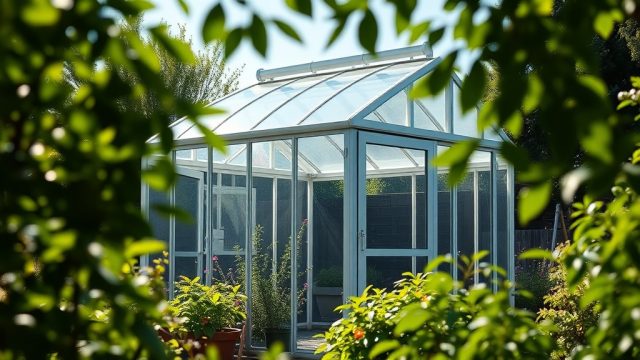
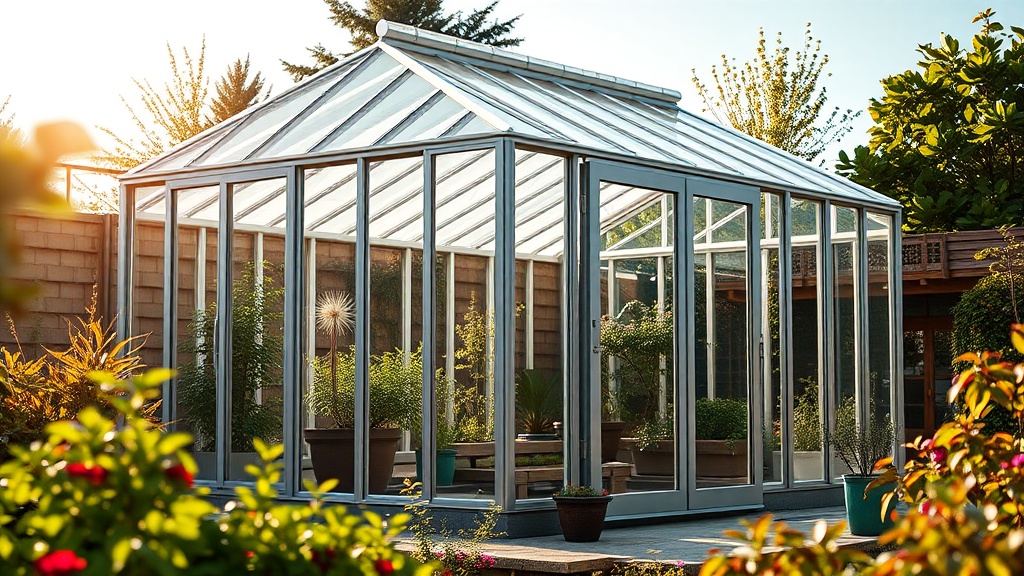
Palram Canopia Harmony 6×8 Frame: How Strong Is the Aluminum Structure?
When evaluating a greenhouse, the frame is the backbone—literally. The Palram Canopia Harmony 6×8 uses an aluminum frame that’s often praised for being lightweight yet rigid, but how does it hold up under real-world conditions? This article dives into the specific alloy, wall thickness, reinforcement points, and load tolerances to give a practical assessment of its strength.
What Grade of Aluminum Is Used in the Harmony 6×8 Frame?
The Palram Canopia Harmony 6×8 uses extruded aluminum channels, typically from the 6000 series alloy, which offers a good balance between corrosion resistance and tensile strength. Specifically, the main structural beams are formed from 6063-T5 aluminum, a common choice for architectural and greenhouse frames. The T5 temper indicates it’s artificially aged for improved mechanical properties.
With a yield strength around 150-180 MPa, the frame is not designed to be indestructible, but it’s more than adequate for a hobby greenhouse. The wall thickness of the main channels is 1.2mm to 1.5mm, which is standard for this price point. Thicker sections are used at the corner joints and where the roof meets the sidewalls, typically 2.0mm, to handle the stress points where failure is most likely.
For comparison, heavy-duty professional greenhouses often use 2.5mm or thicker walls, but the Harmony’s design compensates with triangulation at the roof and cross-bracing in the door frame. The aluminum is also anodized (clear or silver finish) to prevent oxidation, which adds a protective layer that won’t flake or peel.
How Does the Frame Handle Wind and Snow Load?
The Palram Canopia Harmony 6×8 is rated for a snow load of approximately 30-40 kg/m² (about 6-8 psf) and a wind load up to 100-120 km/h (62-75 mph) when properly anchored. These numbers are realistic for a moderate climate zone (USDA zones 5-7 typical). The key weakness is not the aluminum itself, but the connections: the extruded channels are joined with plastic or metal brackets and self-tapping screws.
In areas with heavy snowfall (over 12 inches in a single storm), owners should manually clear the roof to prevent frame distortion over time. The roof peak design incorporates a central ridge beam that provides lateral stability. The 6×8 footprint (48 square feet) is relatively compact, meaning the frame’s stiffness-to-size ratio is favorable—a smaller structure inherently handles snow better than a larger span because the roof area is limited, reducing total load on the frame.
Wind resistance depends heavily on the foundation. The frame includes base rails that must be bolted to a concrete slab or wooden base using included ground anchors. If you skip anchoring or use a loose gravel base, the frame can twist in gusts. The aluminum itself won’t snap, but the screw connections can elongate or strip under persistent buffeting.
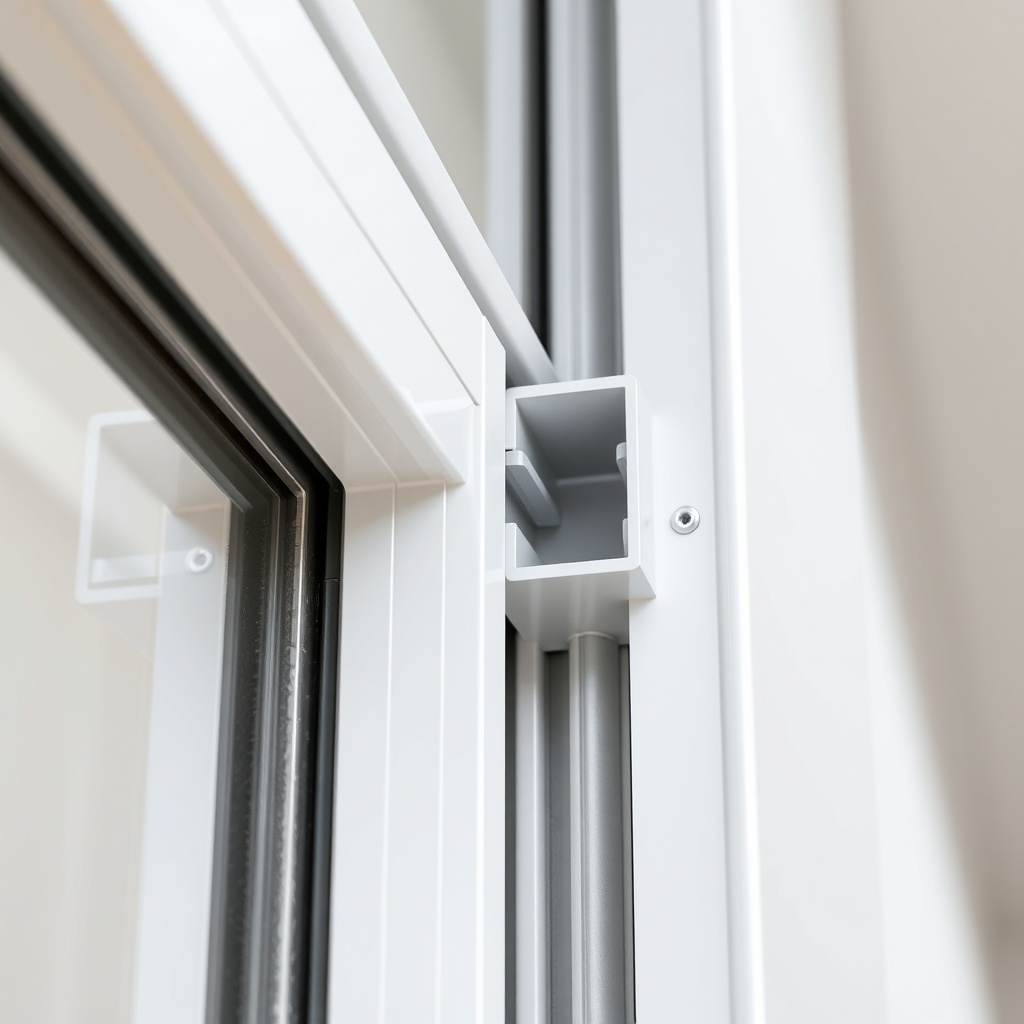
A common deficiency is the roof sliding window hardware. The aluminum extrusions for the sliding channel are 1.0mm—thin enough that they can bend if the window is forced shut when jammed by dirt or ice. Regular maintenance of the track keeps the frame’s strength at its peak.
Are There Any Weak Points in the Frame Construction?
Yes, and they are typical of kit greenhouses at this price point. The most common weakness is the door assembly. The sliding door frame uses a single-track aluminum rail that can flex laterally if the door is repeatedly slammed. Over time, the rail may bow outward, causing the door to stick. Reinforcement with a wooden timber sill during installation can keep the rail straight.
Second, the roof panels are held in place by a perimeter aluminum frame with plastic glazing caps that clip over the polycarbonate. These caps are not structural; they only serve to hold the glazing. In high winds, air pressure can lift the caps off—though the aluminum frame itself remains intact. Owners in exposed locations might need to secure these caps with silicone or extra screws.
Third, the base rails have a “C” channel design that sits on a foundation. If the foundation is not perfectly level, the base rail can twist slightly, transferring stress to the vertical posts. Aluminum is less forgiving than steel to twist, and the 1.2mm wall sections can crack at the corners if the base is severely uneven. Installing a level base frame is critical to maintaining frame integrity.
No structural failures like full collapse are common if the greenhouse is assembled correctly. However, owners who add heavy shelving or hang plants from the roof bars should note: the roof support system is designed to support the glazing and light snow, not hanging weight. Adding a DIY hanger point may cause local bending of the roof channel.
How Does the Frame Compare to Steel or Wood Greenhouses?
| Durability Aspect | Palram Harmony Aluminum Frame | Typical Steel Frame Greenhouses (e.g., traditional hoop houses) | Wood Frame Greenhouses (e.g., cedar or pressure-treated) |
|---|---|---|---|
| Corrosion resistance | Excellent (anodized aluminum) | Fair (galvanized steel can rust at scratches) | Good to fair (needs annual sealing) |
| Weight handling (load) | Good (up to 40 kg/m² snow load) | Excellent (often 50-80 kg/m² rated) | Moderate (depends on lumber size) |
| Longevity | 15-20+ years (no painting needed) | 10-15 years (if kept painted/treated) | 10-20 years (with maintenance) |
| Ease of modification | Difficult (drilling aluminum cracks if not careful) | Moderate (can weld or bolt reinforcements) | Easy (can screw into wood anywhere) |
| Portability | Light, easily disassembled | Heavy, difficult to move | Heavy, often permanent |
| Cost per square foot (approximate) | Low to medium ($5-8 USD/sq ft) | Medium to high ($8-14 USD/sq ft) | High ($12-20+ USD/sq ft) |
The aluminum frame strikes a practical middle ground: it’s lighter than wood or steel, corrosion-proof, and requires no painting. For a compact 6×8 greenhouse, this is more than sufficient. Steel is stronger per thickness, but at the cost of weight and rust potential. Wood offers easier customization, but demands constant maintenance. The aluminum frame’s biggest advantage is its low-maintenance structural integrity over years of use.
What Are the Assembly Implications for Frame Strength?
Because the frame uses sliding channels and pinch-fit connectors, a proper assembly directly determines how strong the final structure feels. A common mistake is to over-tighten the screws. The aluminum extrusions are threaded with self-tapping screws that bite into the metal. Over-torquing strips the threads, reducing clamping force. Using a hand screwdriver (not a power drill at high torque) is recommended.
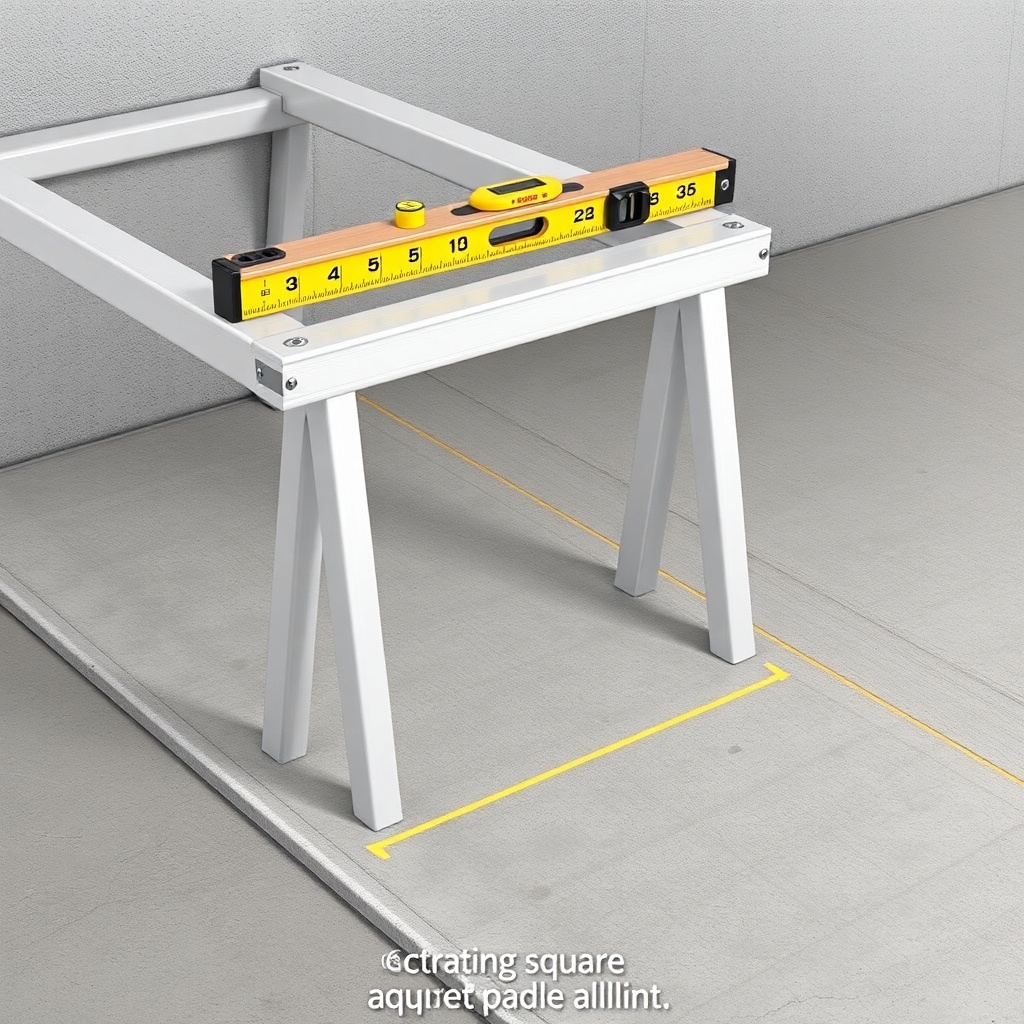
Another assembly point is that the base frame must be perfectly square. The instructions included with the Palram Canopia Harmony 6×8 emphasize checking diagonal measurements. If the base is skewed, the entire frame is under constant torsional stress, and the polycarbonate panels may not fit properly, leaving gaps that reduce wind resistance. See our step-by-step assembly guide for the exact process and common pitfalls.
Also, the roof section requires two people to align the first rafter. Haste here results in poorly fitted channels, which reduce the frame’s ability to redistribute snow load. The frame channels are designed to nest tightly; any gap between joints is a weak point.
Finally, do not skip the ground anchors. The Palram kit includes L-shaped metal stakes that hammer into the ground through holes in the base rail. Many owners find these inadequate for their soil type and upgrade to screw-in auger anchors. Without solid anchoring, even the strongest aluminum structure becomes a sail in high winds.
How Does the Frame Interface With the Glazing Panels?
The relationship between frame and glazing is where the Harmony’s design shines—or can cause trouble. The aluminum frame has vertical and horizontal ribs that create a channel for the 4mm or 6mm twin-wall polycarbonate panels. The panels slide into these channels, and the frame compresses a rubber gasket against them. This creates a weather seal while still allowing the panel to expand and contract.
The critical point is the overlap at the roof. The roof panels are held in place by an aluminum ridge cap that runs along the peak. This cap is secured with screws every 20 cm (8 inches). These screws penetrate both the cap and the upper lip of the roof panel channel. If these screws are not fully seated, the cap can lift, exposing the panel to being sucked out by strong winds. The aluminum frame itself isn’t weak, but the connection between frame and panel is—which is why proper assembly is non-negotiable.
For a deeper comparison of how polycarbonate performs versus glass in this frame, read our detailed glazing comparison. The frame’s design makes it straightforward to replace a panel if cracked, which is a practical advantage over true glass greenhouses where replacing a pane requires more frame disassembly.
What Owners Say About the Frame’s Real-World Durability
“I’ve had my Harmony 6×8 for three years. The frame still looks new. No rust, no bending. I did have to tighten the door track screws after the first year because they loosened. But the main frame held up through a 40 mph storm with no issues.” — Owner C., Pennsylvania, USA
“The aluminum is strong, but the sliding door wheel assembly is a weak link. The track is fine, but the plastic wheels on aluminum rail are a bit flimsy. I replaced them with steel roller guides. The frame itself? Solid.” — Owner L., Oregon, USA
“One issue: the roof ridge cap came loose after a few heavy rain and wind events. I had to remove the screws and reinsert them with a dab of silicone to stop them from backing out. Not a frame failure, but a fastener quality issue. Still happy with the purchase.” — Owner T., California, USA
Overall, owners describe the frame as well-engineered for the price. The main complaints focus on the hardware (screws, wheel assemblies, caps) rather than the extruded aluminum itself. With some minor upgrades and routine fastener checks, the frame provides a long lifespan.
Frequently Asked Questions
1. Can the Palram Canopia Harmony 6×8 frame rust?
No. The frame is made of anodized aluminum, which does not rust. The fasteners (screws, brackets) are often zinc-plated steel, which can corrode if exposed to salt or acidic conditions. Replacing them with stainless steel screws is a common upgrade for long-term use.
2. What is the maximum snow load the frame can handle?
The manufacturer rates the frame for 30-40 kg/m² (6-8 psf). In practical terms, this means about 12 inches of light, fluffy snow or 3 inches of heavy, wet snow. Manual snow removal is recommended if accumulation exceeds this.
3. Is the frame strong enough to hang shelves or lights from the roof?
Not directly. The aluminum roof channels are designed to support the polycarbonate panels and light snow, not hanging weight. If you need to hang items, they must be suspended from a separate support structure (like a wooden beam) that does not load the roof frame.
4. How does the frame compare to the Palram Canopia Mythos series?
The Mythos series uses a heavier-duty frame with thicker extrusions (often 1.8mm walls) and stronger corner brackets. The Harmony is designed for moderate climates and easier assembly. If you live in an area with high winds or heavy snow, the Mythos is a better choice. The Harmony frame is adequate for most suburban garden conditions.
5. Can I drill holes in the frame for custom modifications?
Yes, but with caution. Use a sharp drill bit and drill at low speed to avoid melting or cracking the aluminum. Apply a touch of anti-corrosion grease on any exposed cut edge. Drilling near joints or corners reduces strength—avoid these areas.
6. Do I need to paint or treat the aluminum frame over time?
No. The anodized coating is permanent. Occasional cleaning with a mild soap and water to remove dirt is sufficient. Do not use abrasive cleaners or steel wool, as they can scratch the anodized surface, making it more prone to oxidation in the scratch area.
More Resources for Your Harmony 6×8
For a full picture of how this greenhouse performs, check our comprehensive guide on polycarbonate vs glass greenhouses. If you’re planning the assembly, see our assembly time and tips guide. For ventilation strategies, we have a dedicated review of the sliding roof windows.