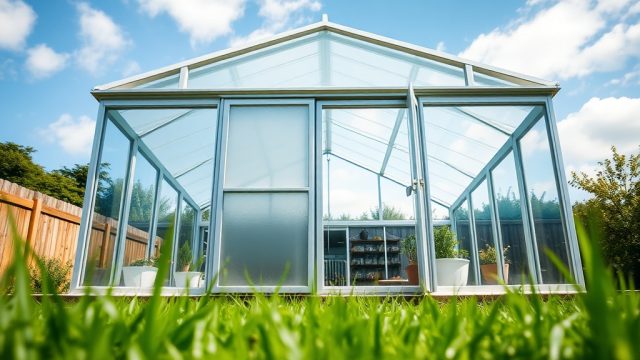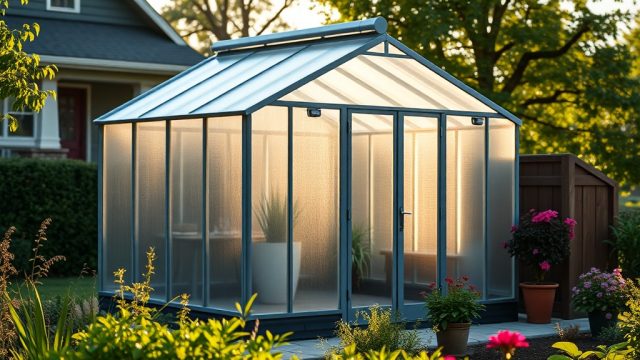
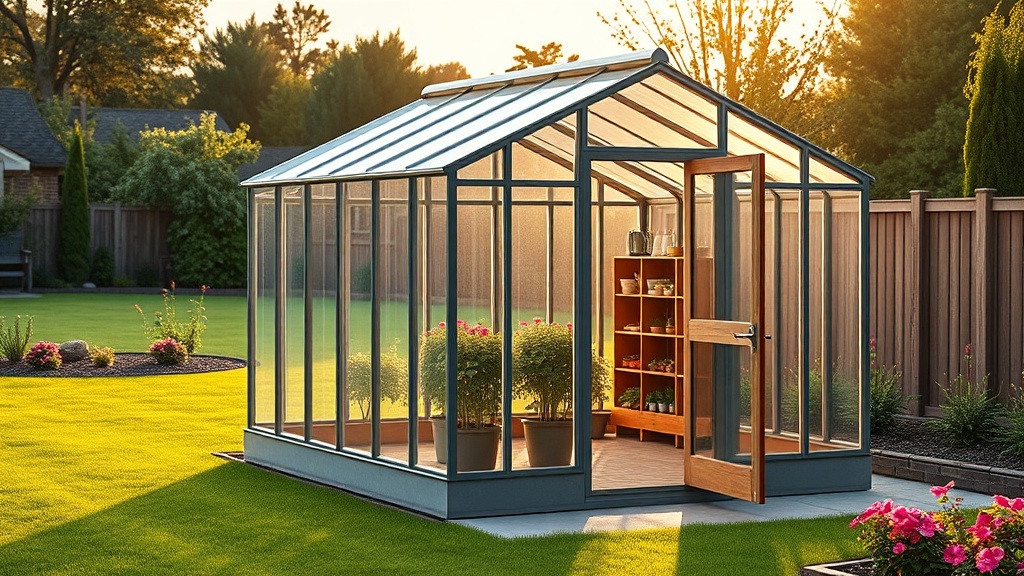
The Suncast 8×6 Tremont greenhouse offers a sturdy aluminum frame and a classic gable design, but many owners find its standard glazing—typically clear polycarbonate or glass—falls short in thermal performance. Upgrading to twin-wall polycarbonate panels can significantly improve insulation, reduce heat loss, and stabilize temperatures during colder months. This article explains why switching to twin-wall glazing is a smart investment and how to execute the upgrade on your Tremont structure.
Why Upgrade the Glazing on the Suncast 8×6 Tremont?
The stock glazing on the Suncast 8×6 Tremont usually consists of single-layer polycarbonate or tempered glass panels. While these provide adequate light transmission, they offer minimal thermal resistance. In cold climates, this leads to rapid heat loss, causing temperature swings that stress plants and increase heating costs. Twin-wall polycarbonate traps air between two layers, creating an insulating barrier that reduces heat transfer by up to 40% compared to single-pane options. This upgrade also helps prevent condensation buildup, which can promote mold and fungal diseases. For greenhouse owners aiming to extend their growing season or protect sensitive seedlings, the switch is a practical step toward better energy efficiency.
What Are the Specific Benefits of Twin-Wall Polycarbonate?
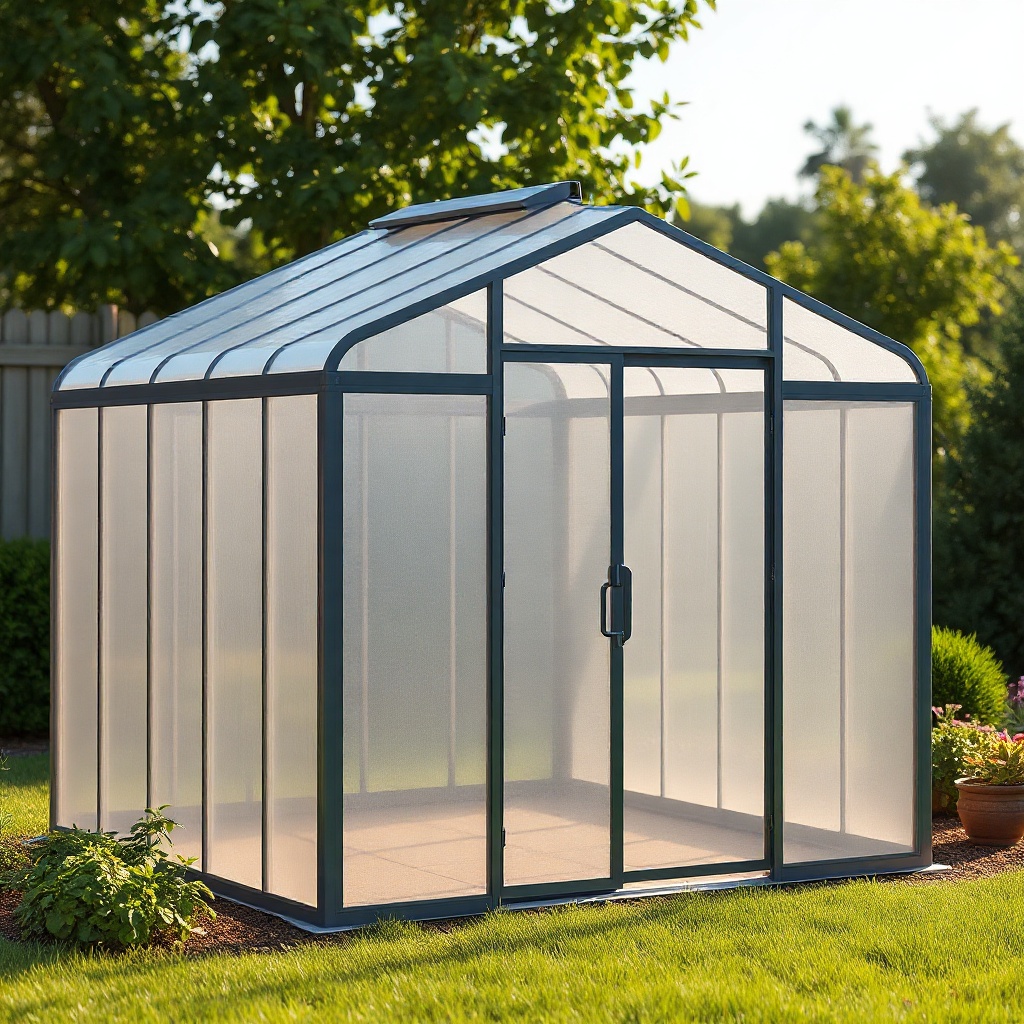
Twin-wall polycarbonate consists of two sheets connected by vertical ribs, forming hollow channels that trap air. This design delivers several advantages:
- Improved R-Value: Single-pane polycarbonate has an R-value around 0.95, while 6mm twin-wall polycarbonate offers an R-value of 1.8–2.0—nearly double the insulation.
- Diffused Light: The cellular structure scatters sunlight, reducing hot spots and providing even light distribution to plants.
- Impact Resistance: Polycarbonate is 200 times stronger than glass, making it resistant to hail, falling branches, and accidental impacts.
- UV Protection: Most twin-wall panels come with a UV-resistant coating on one side, preventing yellowing and blocking harmful UV rays that can damage tender plants.
- Weight Savings: Polycarbonate is significantly lighter than glass, reducing stress on the greenhouse frame and foundation.
These factors make twin-wall glazing ideal for hobby greenhouses like the Suncast 8×6 Tremont, where budget-friendly upgrades yield tangible improvements in climate control.
How Does Twin-Wall Compare to Original Glazing Options?
To help you decide, below is a comparison of glazing materials commonly used with the Suncast 8×6 Tremont. Prices are approximate for a complete 8×6 greenhouse kit (including panels and fitting).
| Glazing Type | R-Value | Light Transmission | Average Cost (4×6 ft panels) | Durability |
|---|---|---|---|---|
| Single-Layer Polycarbonate | 0.95 | 90% | £120–£180 | Moderate (prone to scratching) |
| Tempered Glass | 0.88 | 88% | £250–£350 | High (but brittle) |
| Twin-Wall Polycarbonate (6mm) | 1.9 | 82% | £200–£300 | Very high (impact-resistant) |
| Twin-Wall Polycarbonate (10mm) | 2.5 | 76% | £280–£400 | Exceptional |
As shown, twin-wall polycarbonate offers the best balance of insulation and cost for most users. The 6mm thickness is a popular choice for the Suncast 8×6 Tremont, but 10mm panels provide even better thermal performance for colder regions. Note that light transmission decreases slightly with thicker panels, but the diffused quality often improves plant growth by reducing shadow effects.
How to Install Twin-Wall Polycarbonate on the Suncast 8×6 Tremont?
Installing twin-wall polycarbonate panels is a straightforward DIY project, but careful preparation ensures a weathertight seal. Follow these steps:
- Measure and Cut: Remove existing glazing and measure each opening precisely. Use a circular saw with a fine-tooth blade to cut panels to size, leaving a 3mm gap for expansion. Ensure the UV-protected side faces outward.
- Prepare Channels: Clean the aluminum frame channels thoroughly. Apply a silicone-based sealant along the bottom edge to prevent water ingress.
- Insert Panels: Slide panels into the channels, pressing firmly. Use rubber gaskets or foam tape between the panel and frame to create a tight seal. Secure with polycarbonate clips or screws every 30cm.
- Drill Expansion Holes: Drill holes slightly larger than screw diameter at 45cm intervals along the perimeter. This allows for seasonal expansion without cracking the panel.
- Seal Edges: Apply polycarbonate-specific edge tape to open channels to prevent dirt and insects from entering. Then, run a bead of UV-resistant silicone along all joints.
For the roof panels, consider using a heavier gauge (8mm or 10mm) to handle snow loads. Always work on a warm day when panels are slightly expanded—this reduces the risk of cracking during installation. For more on stabilizing the structure during upgrades, see our guide on installing greenhouse base options for stability.
What Extra Accessories Improve Thermal Performance with Twin-Wall Glazing?
Once you upgrade to twin-wall panels, you can amplify insulation with targeted accessories:
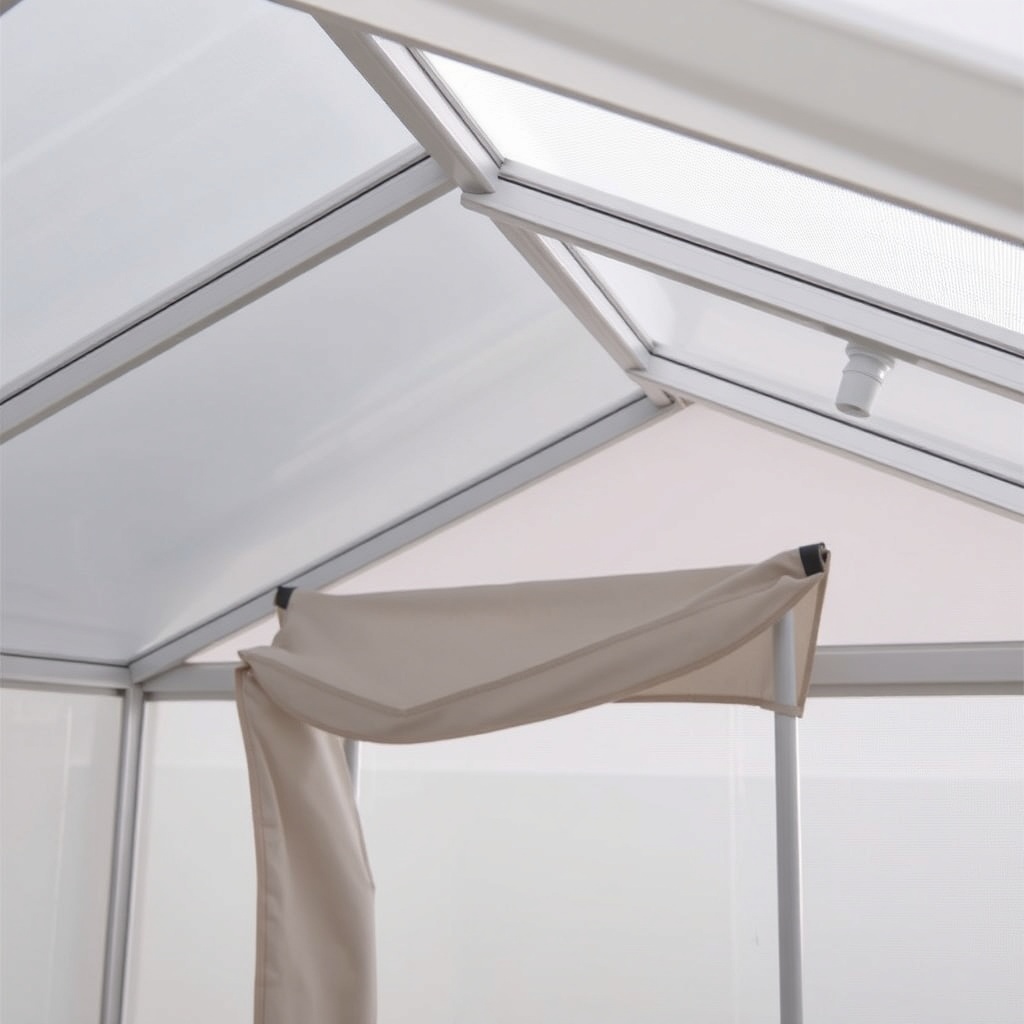
- Heat Retention Curtains: Installing thermal curtains at night reduces heat loss through the glazing by up to 30%. Our article on installing heat retention curtains for energy savings covers installation tips for the Tremont.
- Automatic Shade Systems: Twin-wall panels can still overheat in summer. An automated shade system prevents scorching while maintaining light diffusion. Check the guide for automatic shade system installation.
- Sealing Tape: Use aluminium foil tape on all panel edges to reflect heat back inside. This is especially effective for roof panels.
- Double-Glazed Windows: Replace any single-glazed panes in doors or vents with twin-wall inserts for consistent insulation.
These additions work synergistically with twin-wall glazing to create a greenhouse that maintains stable temperatures with minimal energy input.
What Owners Say About the Twin-Wall Upgrade
GreenhouseGuru forum members who have upgraded their Suncast 8×6 Tremont to twin-wall polycarbonate report noticeable improvements. “Before, my heater ran constantly in November. After swapping to 6mm twin-wall, I saw a 25% drop in electricity bills,” says Claire from Manchester. Another owner notes, “The diffused light really helps my tomatoes—no more leaf burn. And the panels feel solid; I’m not worried about hail anymore.” Several users recommend tinted twin-wall panels for warmer climates to reduce overheating. One common complaint is initial cost—twin-wall panels are about 30% more expensive than single-layer—but owners agree the long-term savings in heating and plant health offset the investment. For those considering the switch, many suggest starting with the roof panels, which have the most heat loss, then working on side walls. Read more custom storage options in Suncast 8×6 Tremont: DIY Custom Shelving Plans for Small Greenhouses.
Frequently Asked Questions
1. Can I use twin-wall polycarbonate on an existing Suncast 8×6 Tremont greenhouse?
Yes. The aluminum frame can accommodate twin-wall panels if the channels are at least 6mm wide. If not, you may need to replace the glazing clips or use adhesive gaskets. Most Tremont models are compatible with minor modifications.
2. How much does a twin-wall polycarbonate upgrade cost for the Suncast 8×6 Tremont?
Total cost for a complete set of 6mm panels (approx. 12 panels) ranges from £200 to £300 in the UK, plus about £50 for sealant, tape, and clips. 10mm panels cost £280–£400.
3. Will twin-wall glazing reduce the light my plants receive?
Twin-wall panels transmit 76–82% of sunlight, which is slightly lower than single-layer options (88–90%). However, the diffused light reduces shade and hot spots, often resulting in more uniform growth. Most vegetables and flowers thrive under these conditions.
4. Do I need special tools to cut twin-wall polycarbonate panels?
A circular saw with a fine-tooth carbide blade works well, but a sharp utility knife can score and snap panels up to 6mm thick. For thicker panels, a jigsaw with a plastic-cutting blade is recommended. Always cut with the UV-protected side facing up.
5. How long do twin-wall polycarbonate panels last on a greenhouse?
Quality panels with UV protection last 10–15 years in outdoor conditions. However, exposure to extreme temperatures or physical impact can reduce lifespan. Annual cleaning with mild soap and water helps maintain clarity.
6. Can I combine twin-wall glazing with a glass door?
Yes. Many owners keep the original glass door to preserve aesthetics, but you can also replace it with a twin-wall panel in a wood or aluminum frame. This ensures consistent insulation across the entire structure. For more on glazing choices, read our polycarbonate vs. glass buying guide.
If you plan to install the greenhouse on uneven ground, refer to ground preparation tips for sloped terrain to ensure a level base before upgrading glazing.