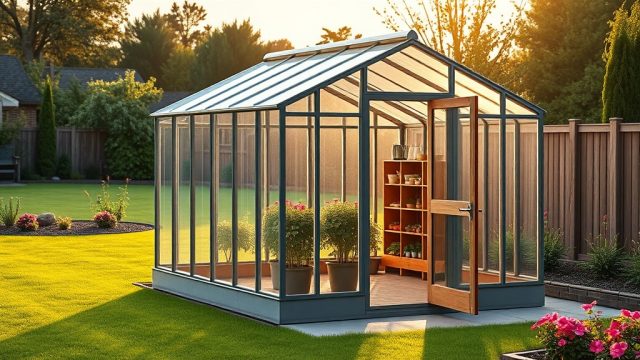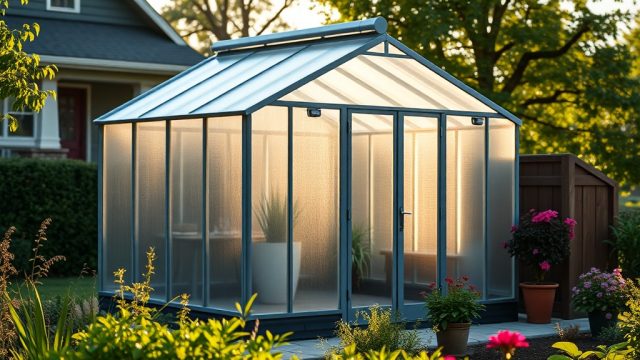
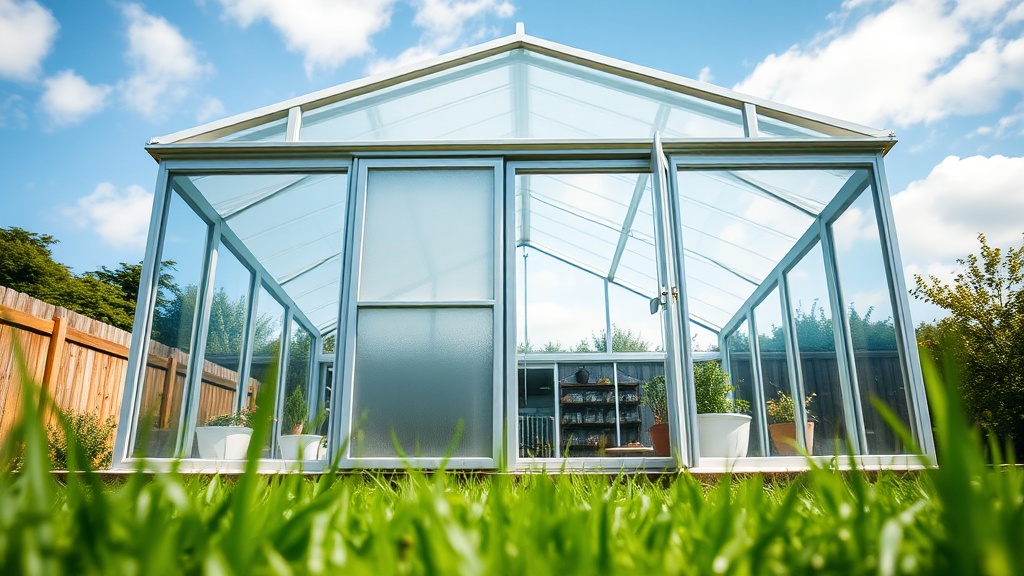
When selecting glazing for the Palram Canopia Harmony 6×8, the debate between polycarbonate and glass often determines how well the greenhouse performs in your specific climate. While glass offers classic aesthetics and clarity, modern polycarbonate panels provide superior insulation and impact resistance tailored to this 6×8 model. Understanding the practical trade-offs in light transmission, thermal efficiency, and long-term maintenance helps you decide which material aligns with your gardening goals and local weather conditions.
How Much Light Does Polycarbonate vs Glass Actually Transmit in the Harmony 6×8?
The Palram Canopia Harmony 6×8 uses twin-wall polycarbonate as standard, typically rated at 82–85% light transmission, while horticultural glass commonly passes 88–92%. This 5–7% difference sounds small but noticeably affects plant growth, especially in low-light winter months. Polycarbonate diffuses the incoming light, scattering it across the greenhouse floor and reducing hot spots, which benefits seedlings and leafy greens. Glass produces direct, intense beams that can scorch delicate foliage on south-facing shelves.
Take a practical example: if you grow tomatoes in March, polycarbonate’s diffusion means lower light intensity but more uniform distribution, while glass delivers a sharper burst but risks leaf burn unless you shade manually. For orchids or succulents requiring bright, direct light, the glass advantage grows. However, the Harmony 6×8’s polycarbonate includes a UV-blocking layer that prevents photo-degradation of plants and panels alike—glass requires additional coatings to achieve similar protection.
In terms of longevity, polycarbonate panels in this model typically stay clear for 10–15 years before yellowing, while glass remains crystal-clear indefinitely if not broken. But glass needs regular cleaning to remove algae and mineral deposits, whereas polycarbonate’s anti-drip coating minimizes condensation buildup and dirt adhesion—a practical win for busy gardeners.
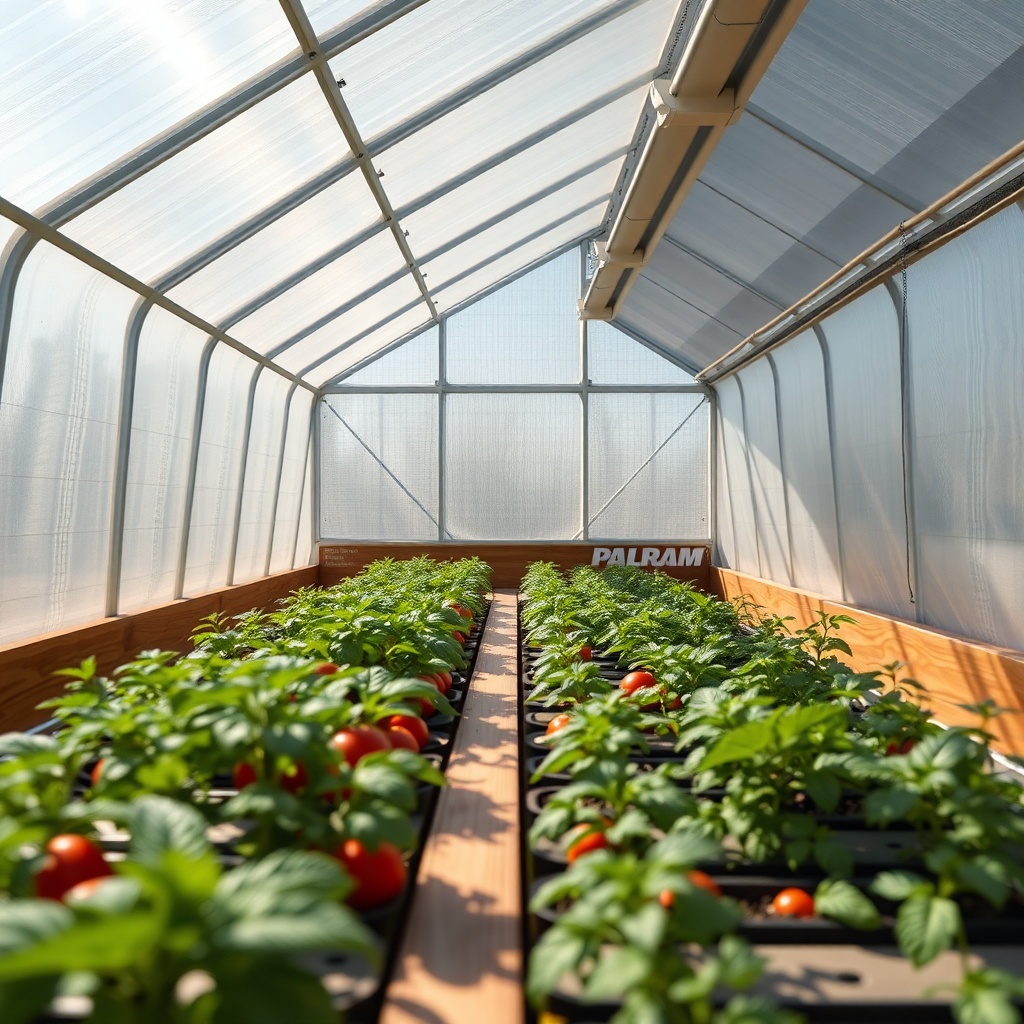
Does Polycarbonate or Glass Offer Better Insulation for the 6×8 Model?
The Harmony 6×8’s twin-wall polycarbonate provides an R-value around 1.8–2.0 (U-value ~3.0 W/m²K), whereas single-pane glass delivers only R-0.9 (U-value ~5.7 W/m²K). This roughly doubles the thermal resistance—critical for a compact 8×6 footprint where heat loss multiplies due to the surface-to-volume ratio. In shoulder seasons, a glass-glazed Harmony 6×8 loses heat rapidly after sunset, potentially dropping 5–7°C below ambient, while polycarbonate maintains stable temperatures with less heater runtime.
Conversely, if you live in a hot climate, polycarbonate’s twin-wall design also traps heat during scorching days. Without additional shading, interior temperatures can exceed 40°C, while glass might spike higher but vent faster due to lower heat retention. The Harmony 6×8’s sliding roof window (detailed in our Palram Canopia Harmony 6×8 Ventilation: Roof Sliding Windows Review) helps mitigate this, but glass’s poor insulation means it cools quicker at night if you rely on passive ventilation.
| Glazing Type | Thermal Performance (R-value) | Heat Retention Impact | Best Climate Suitability |
|---|---|---|---|
| Twin-wall polycarbonate (standard) | 1.8–2.0 | High – reduces heater energy by ~40% vs glass | Cool/cold climates, four-season growing |
| Single-pane glass | 0.9–1.0 | Low – loses heat rapidly overnight | Mild climates, wintering half-hardy plants |
How Does Impact Resistance Compare Between Polycarbonate and Glass in the Harmony 6×8?
The Harmony 6×8’s polycarbonate panels are rated for hail up to ~20mm diameter stones at typical storm speeds, whereas glass panes (even tempered) can shatter under 10mm hail impact. For gardeners in regions prone to sudden hailstorms, falling branches, or mischievous animals, polycarbonate’s flexibility absorbs energy without cracking—it simply flexes and returns to shape. A sad but common story: a gust of wind blew a plastic pot into the side of a glass greenhouse, cracking a pane, requiring immediate repair. The polycarbonate equivalent would likely have shrugged off the encounter.
On the other hand, glass is brittle and vulnerable to a single unlucky event. If you eventually break a polycarbonate panel, replacement costs around £25–£40 per sheet (depending on thickness), while bespoke glass panes for the Harmony 6×8 might fetch £60–£90 each if not standard size. The aluminum frame’s strength, as discussed in our Palram Canopia Harmony 6×8 Frame: How Strong Is the Aluminum Structure?, compensates by resisting frame flex that could stress glazing—so both options benefit from robust framing.
| Glazing Type | Impact Tolerance | Typical Replacement Cost (per pane) | DIY Repairability |
|---|---|---|---|
| Twin-wall polycarbonate | High – withstands hail, branch strikes | £25–£40 | Easy – snap-fit in channel |
| Single-pane glass | Low – cracks under moderate impact | £60–£90 | Moderate – requires glazing clips |
Which Glazing Is Easier to Clean and Maintain on the Harmony 6×8?
Cleaning the Harmony 6×8’s polycarbonate panels is straightforward: a soft cloth, mild soap, and water remove dust and algae without risk of scratching. Avoid ammonia-based cleaners—they cause micro-crazing over time. The anti-drip coating inside sheds condensation droplets, reducing mold and fungi growth that typically plague glass internal surfaces. Most polycarbonate owners report wiping down the panels twice a season and once in late autumn.
Glass demands more frequent manual labor. Every two weeks during cloudy months, you’ll scrub off the thin biofilm of algae that forms on heavily shaded panes. The smooth surface also attracts mineral deposits from rainwater, leaving cloudy spots that reduce light transmission. To restore clarity, a vinegar solution or dedicated glass cleaner works—but it’s a task that repeats endlessly. In contrast, polycarbonate’s textured interior discourages biofilm accumulation, so you might go a full year without deep cleaning.
How Do Initial Costs and Long-Term Value Compare for the Harmony 6×8’s Glazing?
The Palram Canopia Harmony 6×8 ships standard with twin-wall polycarbonate, priced at roughly £1,200–£1,400 (complete kit). Upgrading to a glass-glazed version from the same manufacturer would add £300–£500 premium, plus the need to double-check the frame’s weight capacity (a concern partly addressed by the Harmony’s aluminum frame, detailed in our Palram Canopia Harmony 6×8 Frame: How Strong Is the Aluminum Structure?). For most gardeners, polycarbonate wins the value equation because the initial saving covers the cost of a heater or irrigation system.
Long-term total cost of ownership favors polycarbonate if you account for heating bills and replacement risks. Over 10 years, a glass-glazed Harmony 6×8 might require 2–3 pane replacements (due to breakage), plus higher energy costs, adding £600+ to the total. Polycarbonate panels may need replacement after 12–15 years due to yellowing, and that single reskinning costs ~£200 for the whole greenhouse. In mild climates with zero breakage risk, glass still offers a longer glazing lifespan, but the technical gap narrows when factoring in the polycarbonate’s insulation savings.
What Do Owners Say About Polycarbonate vs Glass in Their Palram Harmony 6×8?
Listening to experienced owners reveals nuanced preferences. One gardener in the Pacific Northwest reports, “I chose polycarbonate because my weather is wet and overcast—the diffusion gives me better growth for lettuce and kale than my neighbor’s glass greenhouse. His heats up faster on sunny days but drops like a rock at night.” Another owner in Florida notes, “Glass would have been cheaper for me since I want maximum airflow, but the polycarbonate’s UV protection keeps my orchids from burning. I just run a small fan to compensate for heat buildup.”
A third observation from a UK grower: “Swapping polycarbonate for glass would be madness in my exposed location. The twin-wall panels survived a winter storm that took down a nearby shed roof. Glass would have been a £300 disaster.” Yet a southern California owner counters: “Glass is fine here—no frost, no hail, and I prefer the crystal-clear view of my succulents. But I do clean the panes monthly.”
Frequently Asked Questions
Can I replace the polycarbonate panels on my Palram Harmony 6×8 with glass?
Technically yes, but the frame’s glazing channels are designed for 4mm twin-wall polycarbonate. Glass panes of the same thickness are heavier and may exceed the aluminum profile’s load rating. Custom 3mm tempered glass is possible but voids warranty. Most owners stick with polycarbonate.
How long do the polycarbonate panels last before yellowing?
Expected lifespan is 10–15 years under normal UV exposure. The UV-blocking layer on the Harmony’s panels delays yellowing compared to cheaper brands. You may notice slight ambering after 12 years, still functional for light transmission but less aesthetic.
Does polycarbonate glazing affect the greenhouse’s ability to vent excess heat?
Twin-wall polycarbonate retains heat more than glass, so ventilation becomes even more important. The Harmony 6×8 includes a roof sliding window as standard (see our Palram Canopia Harmony 6×8 Ventilation: Roof Sliding Windows Review), but additional vents or a fan are recommended for summer days above 30°C.
Is glass more likely to break if the aluminum frame flexes under wind?
Yes. Aluminum frames can flex slightly in high winds (though the Harmony’s extruded aluminum is quite rigid—see our Palram Canopia Harmony 6×8 Frame: How Strong Is the Aluminum Structure?). Glass has low tensile strength and cracks under flexure. Polycarbonate’s elasticity accommodates minor frame movement without damage.
Which glazing option is quieter during rain?
Polycarbonate dampens raindrop impact significantly—the twin-wall structure absorbs sound. Single glass amplifies the pinging sound of rain, which some find soothing, while others find it distracting. Polycarbonate provides a noticeably calmer interior environment.
How does the assembly time differ between polycarbonate and glass versions?
Assembly time for the standard polycarbonate kit is typically 6–10 hours based on our Palram Canopia Harmony 6×8 Assembly: Step-by-Step Guide and Time Estimate. Swapping to glass requires extra care handling fragile panes, adding 2–4 hours, plus potential shimming for alignment. Polycarbonate panels slide easily into channels.