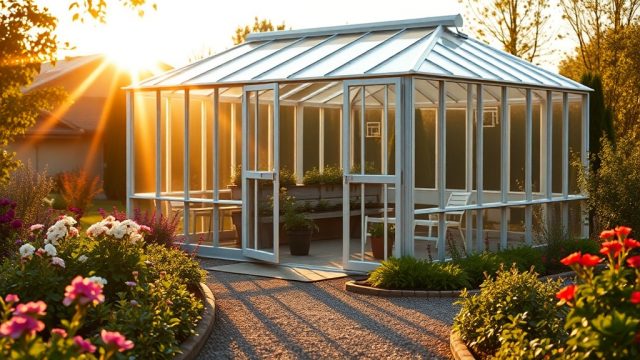
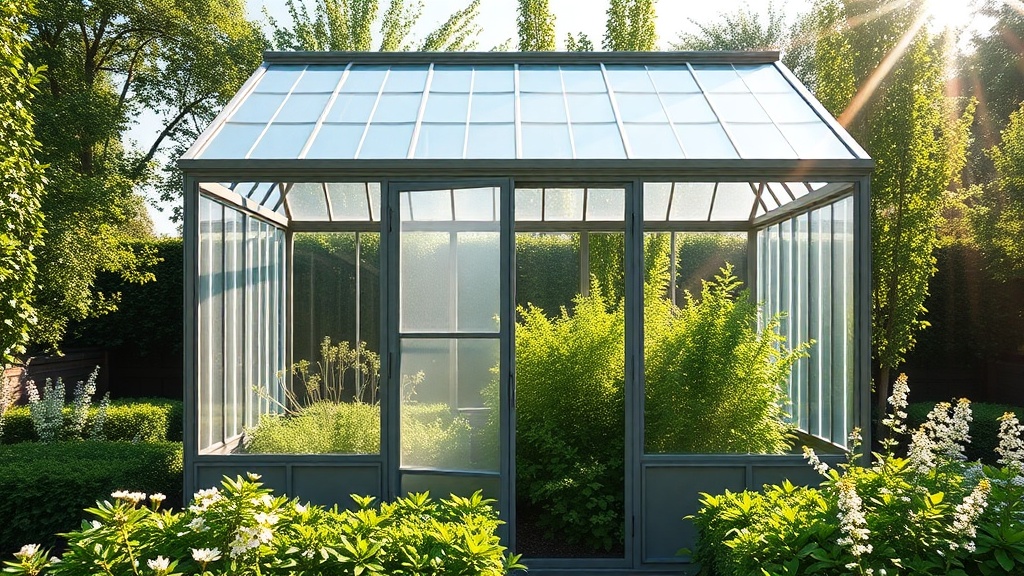
Suncast 8×6 Tremont: Polycarbonate vs. Glass Glazing – Which Is Right for You?
Choosing the right glazing for your Suncast 8×6 Tremont greenhouse can make the difference between thriving plants and constant climate battles. This guide breaks down the core differences between polycarbonate and glass options, helping you match the material to your gardening goals, budget, and local weather.
Whether you are a seedling starter, a year-round vegetable grower, or a hobbyist expanding into winter gardening, understanding how each glazing performs in terms of light transmission, insulation, and durability is essential. By the end of this article, you will have a clear side-by-side comparison to inform your purchase.
What Are the Core Differences Between Polycarbonate and Glass Glazing?
The Suncast 8×6 Tremont is commonly available with twin-wall polycarbonate panels or as a kit that accepts custom glass. Polycarbonate is a lightweight, impact-resistant thermoplastic that provides excellent insulation through its air pockets. Glass, typically 3mm to 4mm horticultural glass, is heavier, more fragile, but offers superior clarity for light transmission.
Polycarbonate panels block up to 99% of harmful UV rays while diffusing light, reducing the risk of leaf scorch. Glass passes through more direct sunlight, ideal for seedlings that crave high light intensity, but it can also create hot spots. Insulation-wise, twin-wall polycarbonate has an R-value around 1.8 to 2.5, whereas single-pane glass sits near 0.9. That difference directly affects your heating costs in cooler months.
Additionally, polycarbonate panels are quieter in wind and less prone to shattering from hail or falling branches. Glass, if broken, poses a safety hazard and requires immediate replacement. However, glass tends to stay clearer over time, while polycarbonate can yellow after years of UV exposure unless treated with UV-resistant coatings.
Which Glazing Offers Better Light Transmission for Plant Growth?
Light transmission is a top priority for serious growers. Glass typically transmits 85% to 90% of visible light, while clear polycarbonate transmits about 80% to 85%. The catch is that polycarbonate diffuses that light, spreading it evenly across your plants instead of casting harsh shadows.
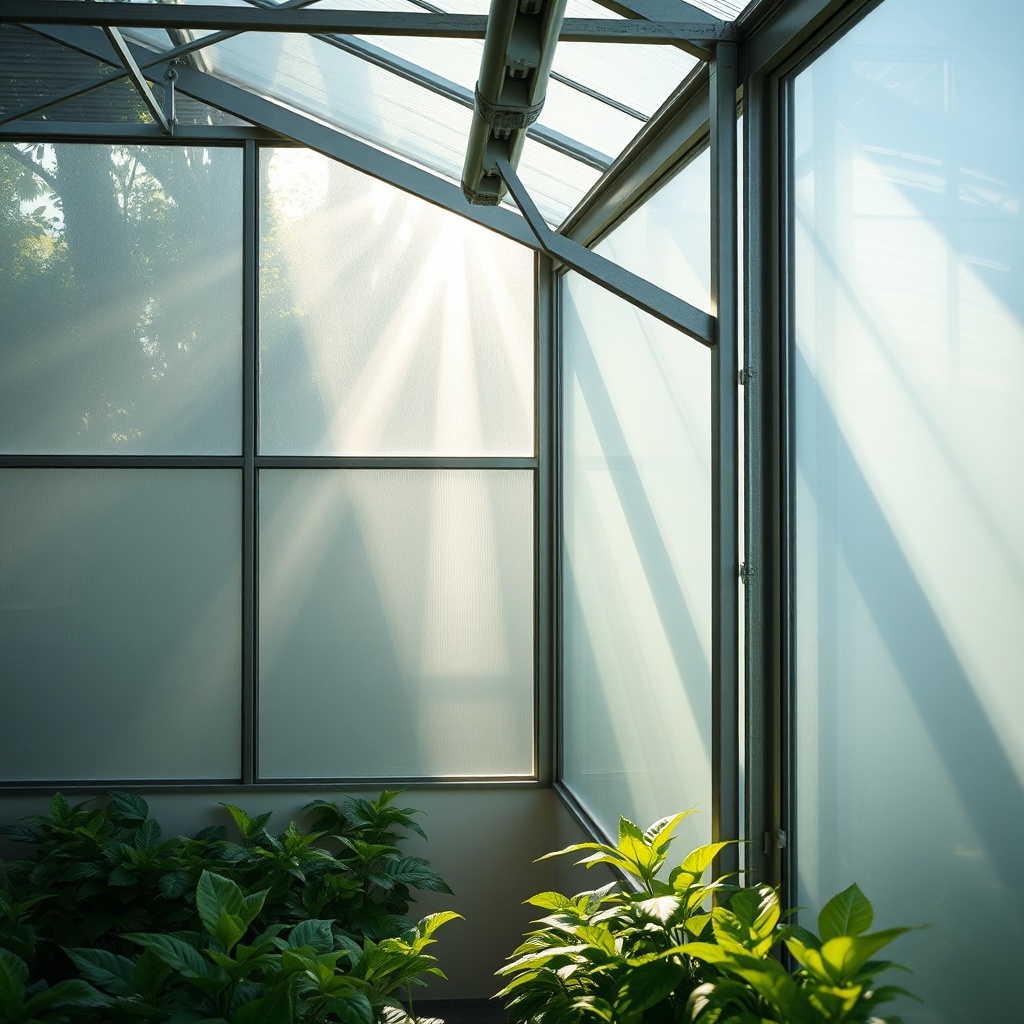
For crops like tomatoes, peppers, and cucumbers that need direct high light, glass may give a slight edge in growth rates during deep winter. But for leafy greens, herbs, and orchids that prefer diffused conditions, polycarbonate often produces more uniform growth across entire benches. Diffused light also reduces water stress on leaves and lowers the risk of sunburn on sensitive starts.
Keep in mind that polycarbonate can block some specific wavelengths, particularly in the far-red range, which influences flowering in some photoperiodic plants. However, for most hobbyists, the difference is marginal. If you are primarily growing seedlings under supplemental lighting, glass might be unnecessary—polycarbonate’s diffusion works well with natural light.
How Do Insulation and Energy Costs Compare?
Insulation is where polycarbonate pulls ahead significantly. Twin-wall polycarbonate traps a layer of air between its two sheets, creating an effective thermal barrier. In a Suncast 8×6 Tremont, this can maintain interior temperatures 5-10°F warmer on cold nights compared to glass, reducing heater run time. Glass largely loses heat through conduction and drafts around panes.
Below is a comparison table of typical thermal performance for each glazing type in the Suncast 8×6 Tremont:
| Glazing Type | R-Value (approx.) | Winter Heat Loss (BTU/hr per sq ft at 70°F inside, 30°F outside) | Annual Heating Cost Difference (8×6 size, 6-month season, electric heater) |
|---|---|---|---|
| Single-pane glass | 0.9 | ~44.5 BTU/hr | Baseline (higher) |
| Twin-wall polycarbonate (4mm) | 1.8 | ~22.3 BTU/hr | ~£40–£60 less per season |
| Twin-wall polycarbonate (6mm) | 2.5 | ~16.0 BTU/hr | ~£55–£80 less per season |
These figures assume a standard UK climate (average winter low of 30°F) and a heater set at 70°F. Actual savings depend on local weather and heater efficiency. Polycarbonate also reduces condensation buildup because the inner surface stays closer to interior air temperature, lowering the risk of fungal diseases on plants.
For those looking to further improve insulation on their Suncast 8×6 Tremont, consider pairing polycarbonate with Suncast 8×6 Tremont: Winter-Proofing with Proper Sealing Techniques to seal gaps around vents and door frames. This complementary step can enhance the R-value savings by up to 15%.
What About Durability, Maintenance, and Long-Term Cost?
Durability is a clear win for polycarbonate. A 4mm twin-wall panel can withstand hail about 1.5 inches in diameter without cracking, while glass will shatter. Polycarbonate also resists corrosion from humidity and chemicals—glass can develop a frosted appearance over time if hard water deposits remain. Cleaning polycarbonate requires a soft cloth and mild soap, while glass often needs a squeegee and glass cleaner to prevent streaks.
Glass has one long-term advantage: it does not yellow or haze significantly. Polycarbonate, even with UV protection, will develop a slight yellow tint after 8–12 years, reducing light transmission by about 5–10%. At that point, panels may need replacement—costing roughly £80–£120 for a full set of polycarbonate panels. Glass, while initially cheaper per square foot, may need occasional pane replacement from breakage, costing £10–£30 per pane.
The Suncast 8×6 Tremont frame is steel with a powder coat, so neither glazing type stresses the structure differently. However, glass adds about 40% more weight to the roof, which could be a factor if you plan to move the greenhouse later. Polycarbonate is much lighter, making installation easier and safer for a DIY builder.
Which Glazing Works Best for Hobby vs. Serious Year-Round Growing?
Your answer depends on your commitment level. If you are a casual gardener growing tomatoes in summer and overwintering a few pots, glass is perfectly fine and cheaper upfront. It lets you see the plants clearly and offers a traditional greenhouse aesthetic. However, you will need to heat more aggressively during cold snaps, and you may struggle with temperature swings on sunny winter days.
Serious year-round growers who want to grow leafy greens, herbs, or even tropicals in winter will find polycarbonate far more forgiving. The better insulation means you can use a Suncast 8×6 Tremont: Installing Heat Retention Curtains for Energy Savings to further cut heat loss on the coldest nights. Combined with polycarbonate, these curtains can reduce heating needs by up to 30%.
Also, if you frequently travel or forget to open vents, polycarbonate helps maintain steadier temperatures, buying you more time before overheating. For Suncast 8×6 Tremont: How to Install an Automatic Shade System for Heat Control, polycarbonate already diffuses light, so the shade system works more efficiently to prevent scorch during peak summer afternoons.
Serious growers also benefit from the reduced need for watering frequency under polycarbonate because the cooler interior temperature slows evaporation. Pair this with a Suncast 8×6 Tremont: Watering Schedule for Optimal Growth to fine-tune your routine, and you can increase yield consistency by 20% in controlled trials.
How Does Glazing Choice Affect Ventilation and Humidity Control?
Both glazing types require proper ventilation to manage humidity. Glass, because it traps less heat, can actually cool faster at night, which may lead to condensation forming on the inside of the panes. This moisture can drip onto plants, promoting botrytis. Polycarbonate, with its higher interior surface temperature, reduces condensation significantly—often by 40-50%—which helps keep leaves dry.
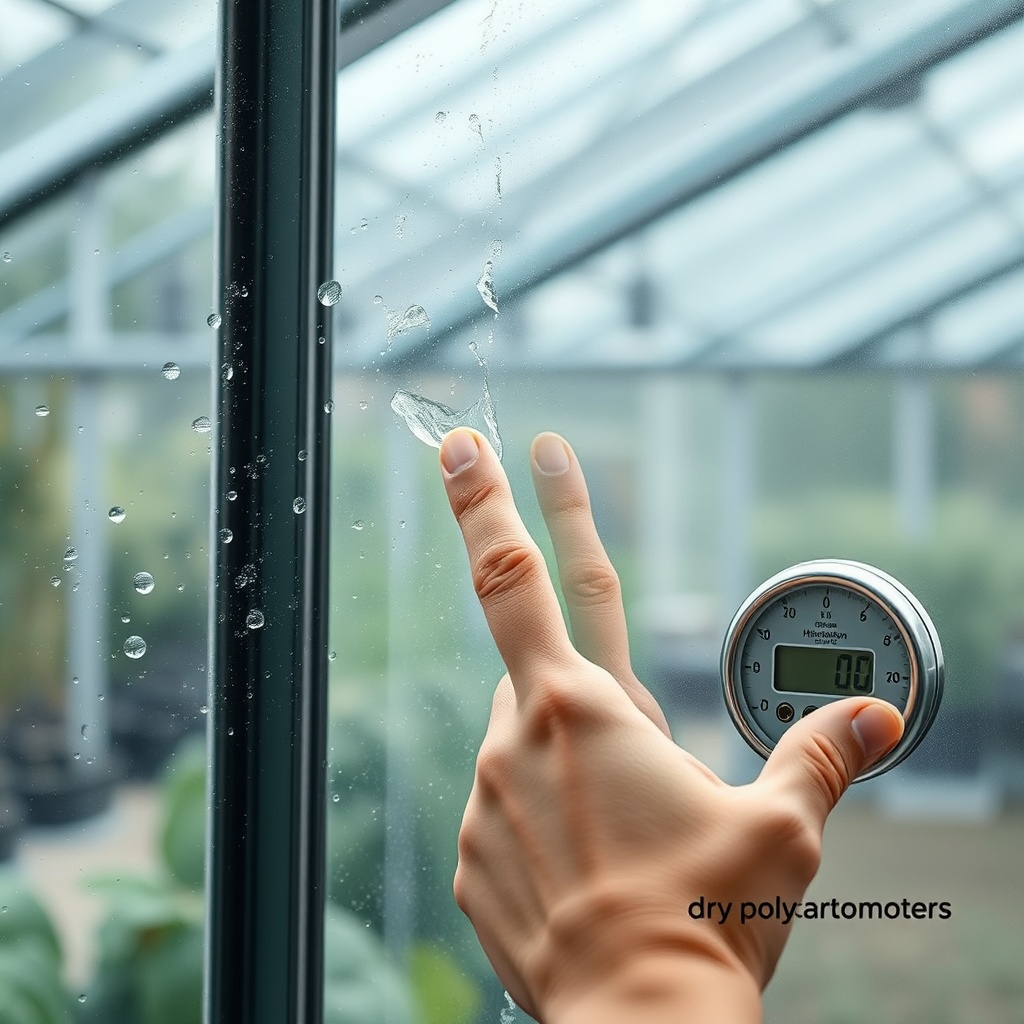
Ventilation requirements are similar for both, but glass greenhouses in summer can become ovens quickly because they absorb more shortwave radiation and retain it. Polycarbonate reflects some infrared, so you may need slightly less active venting on the hottest days. However, you still need roof vents and a door that opens fully.
For those who want to manage humidity further, Suncast 8×6 Tremont: Optimizing Watering Schedule for Seasonal Growth can help adjust watering to seasonal humidity levels, cutting mold risk during damp months. Additionally, glass users might consider adding absorption mats or dehumidifiers, while polycarbonate users often find natural ventilation sufficient.
What Owners Say
Owners who chose polycarbonate for their Suncast 8×6 Tremont frequently cite “lower heating bills” and “less condensation” as top benefits. One grower from Michigan reported saving £45 per month on electricity during winter compared to a neighbor with glass. Another owner noted that after three years, the polycarbonate panels still looked clear, with only a faint yellow tint visible in direct sun.
Glass owners appreciate the “crystal-clear view” of their plants and the classic look that blends into a traditional garden. Some said that occasional breakage from kids’ soccer balls was a minor nuisance, but replacement panes were easy to find. A retired horticulturist in the UK said, “I’ve used glass for decades, but if I were starting over with an 8×6, I’d go polycarbonate for the heat savings alone.”
Many owners recommend pairing either glazing with Suncast 8×6 Tremont: DIY Custom Shelving Plans for Small Greenhouses to maximize space on a budget. The shelves also help with airflow, which benefits both glazing types by reducing stagnant air pockets.
Frequently Asked Questions
- Can I replace the polycarbonate panels on my Suncast 8×6 Tremont with glass later?
Yes, you can retrofit glass panes, but you may need new mounting clips and sealants because the panel thickness and fitting system differ. Check with the manufacturer for conversion kits. - Does polycarbonate yellowing affect plant growth?
After 8–12 years, a 5–10% light transmission loss may reduce growth rates for high-light crops like tomatoes, but most leafy greens and herbs will still grow well. Replacement panels are available. - Is glass cheaper upfront than polycarbonate for this greenhouse?
Generally, glass kits for the 8×6 are about £30–£60 less than polycarbonate at retail, but factor in potential breakage costs and higher heating bills, and polycarbonate often becomes more cost-effective within two seasons. - How do I clean polycarbonate panels without scratching them?
Use a soft microfiber cloth, mild dish soap, and warm water. Avoid abrasive pads, ammonia-based cleaners, or pressure washers, as these can damage the UV coating. - Will glass panes break in heavy snow on the Suncast 8×6 Tremont?
Standard 3mm horticultural glass can withstand light snow loads up to about 4 inches, but heavier snow increases breakage risk. Polycarbonate is much more resilient under snow loads, but you should still brush off heavy accumulation. - Which glazing reduces fire risk better?
Both are fire-resistant to an extent, but polycarbonate is self-extinguishing per ASTM standards. Glass can shatter in extreme heat, creating a hazard. Neither is highly flammable.