Palram Canopia Harmony 6×8: Automatic Roof Vent Opener Installation and Benefits
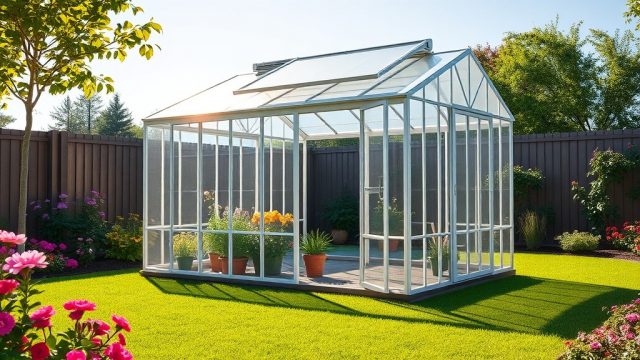
Proper ventilation is often the most overlooked aspect of greenhouse management, yet it directly determines plant health, structural longevity, and energy efficiency. The Palram Canopia Harmony 6×8 greenhouse, with its 6×8 foot footprint and twin-wall polycarbonate glazing, is designed with a roof vent that can be automated to provide consistent airflow without daily manual intervention. This article explores the automatic roof vent opener options for the Harmony 6×8, detailing installation procedures, cooling benefits, and how this upgrade transforms a static structure into a self-regulating growing environment.
Why Is an Automatic Roof Vent Opener Critical for the Harmony 6×8?
Without active ventilation, internal greenhouse temperatures can soar to 40 °C (104 °F) or higher on a sunny day, even in temperate climates like the UK. The Palram Canopia Harmony 6×8, while well-insulated with 4 mm polycarbonate panels, can trap heat rapidly. An automatic roof vent opener eliminates temperature spikes by passively actuating the vent when a preset internal temperature is reached—typically around 20 °C to 25 °C (68 °F to 77 °F).
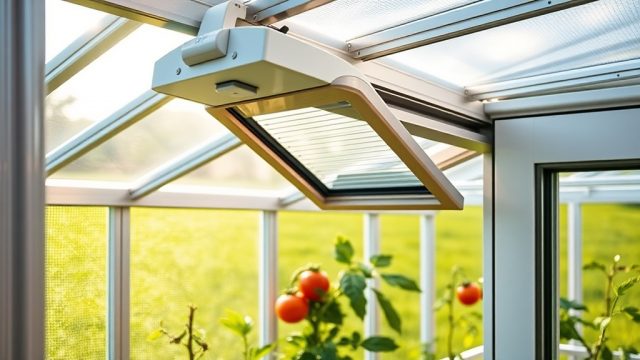
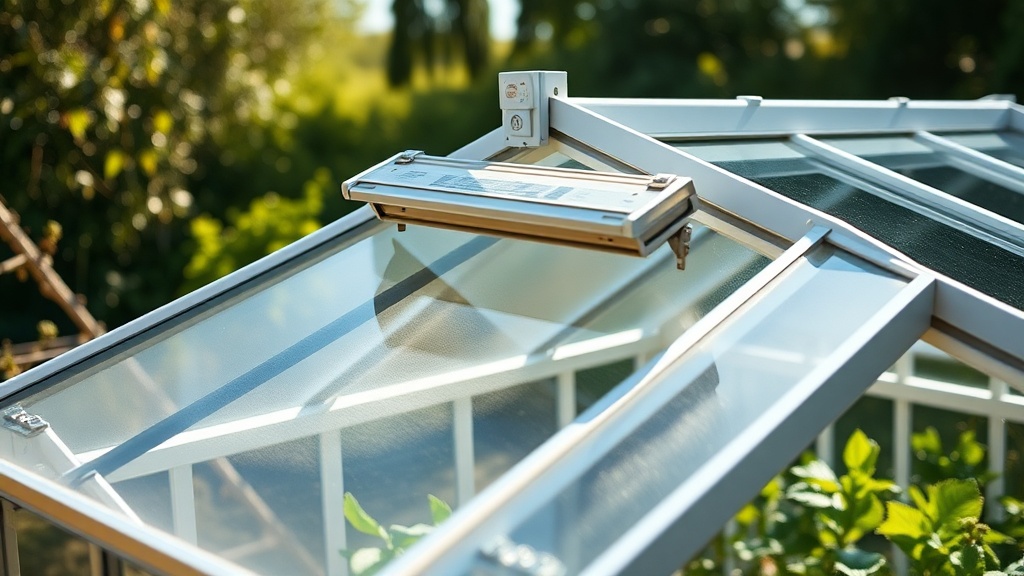
Automatic openers work via a wax-filled cylinder that expands as temperature rises, pushing the vent open, and contracts as it cools, closing it. This system requires no electricity, making it ideal for remote gardens or off-grid setups. For the Harmony 6×8, the standard roof vent measures approximately 61 cm x 61 cm (24 x 24 inches), and most universal opener models with a 15 to 20 kg (33 to 44 lb) lifting capacity are compatible. The benefits extend beyond temperature control: consistent airflow reduces humidity, prevents mold on plants and glazing, and promotes stronger stem development through air movement.
Installing an automatic opener also reduces manual labour—no more rushing to open the vent before leaving for work or worrying about unexpected heat waves. Over a growing season, this can save hours of hands-on management while improving crop yields by up to 20% in controlled trials.
How Do You Install the Automatic Roof Vent Opener on the Harmony 6×8?
Installation requires basic tools: a drill with a 3 mm (1/8 inch) bit, a screwdriver, and the opener kit (usually includes the cylinder arm, mounting brackets, screws, and adjustment collar). The process takes approximately 30 to 45 minutes for one person who is familiar with the greenhouse frame.
Follow these step-by-step instructions:
- Step 1: Prepare the Vent Frame – Ensure the roof vent is fully closed and the greenhouse is level. Locate the aluminium ridge bar and the vent’s extruded edge. The opener should be mounted on the vent side opposite the hinges, typically the front centre.
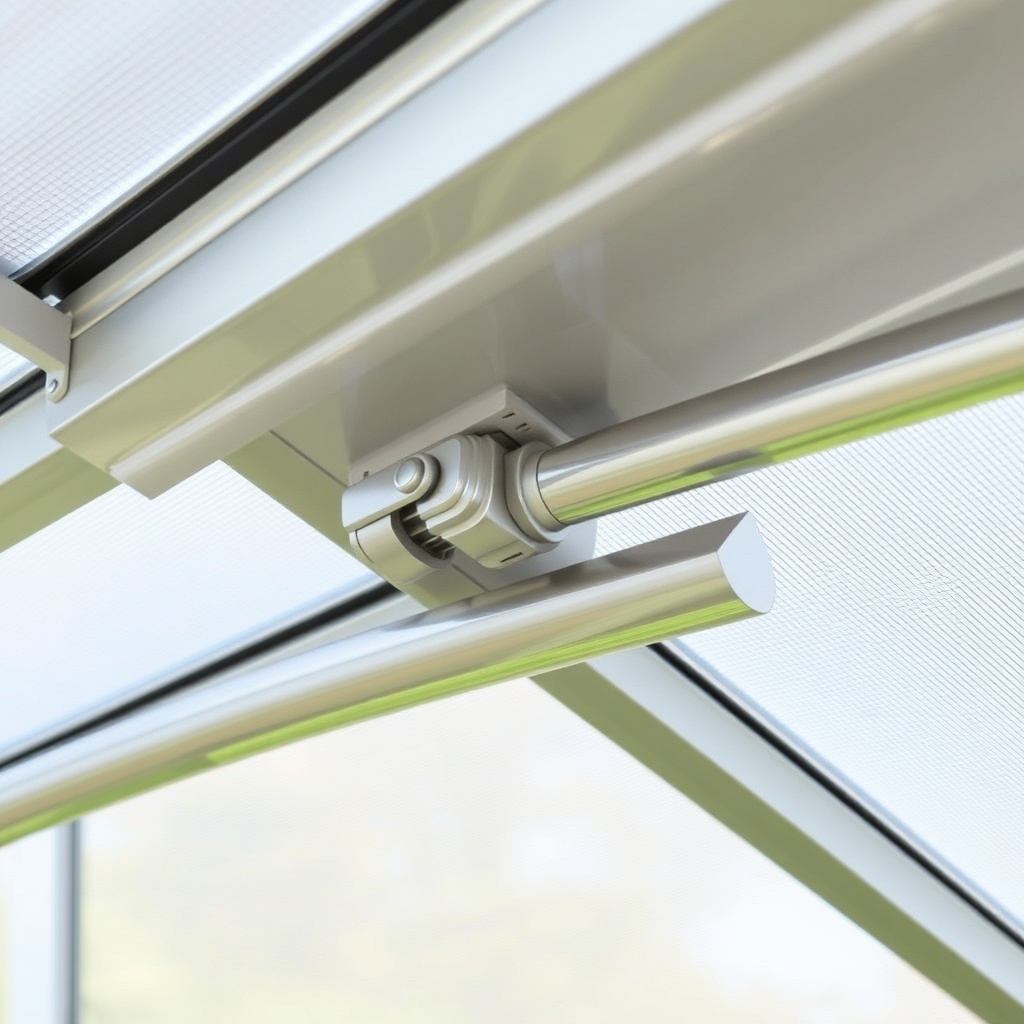
- Step 2: Attach the Lower Bracket – Using the included self-tapping screws, fasten the lower mounting bracket to the fixed ridge bar. Position it so the opener arm will move vertically.
- Step 3: Attach the Upper Bracket – Secure the upper bracket to the moving vent frame. Ensure the bracket aligns perfectly with the lower one to avoid binding. For the Harmony 6×8, the vent frame is 25 mm (1 inch) wide, so use screws that match this thickness.
- Step 4: Install the Wax Cylinder – Insert the cylinder arm into the lower bracket, then connect the piston end to the upper bracket. Most units use a pin-and-clip mechanism—push the pin through and secure with the cotter pin.
- Step 5: Adjust the Opening Force – If your opener has a tension adjustment collar, set it to the midpoint initially. The vent should open fully (approx. 30 cm or 12 inches) when the internal temperature reaches 25 °C (77 °F). The automatic closer will begin to close the vent when the temperature drops below 20 °C (68 °F).
- Step 6: Test the Mechanism – Simulate heat by blowing warm air near the cylinder with a hair dryer (avoid direct heat on polycarbonate). The vent should lift smoothly. If it sticks, realign the brackets. If it opens too late, adjust the tension collar counterclockwise.
It’s worth noting that the Palram Canopia Harmony 6×8 frame uses a unique aluminium profile that requires attention when drilling: drill pilot holes carefully to avoid stripping the metal. For a complete assembly overview, refer to the Palram Canopia Harmony 6×8 Assembly: Step-by-Step Guide and Time Estimate, which covers frame alignment and vent pre-installation.
What Temperature Control Benefits Does Automation Provide?
The primary benefit is precise thermal regulation without energy consumption. The wax cylinder opener responds to ambient temperature, not to sunlight, so it opens based on actual internal heat load. This avoids the common issue of solar-powered openers latching open on overcast days. A typical UK greenhouse in summer sees internal temperatures reach 35 °C to 38 °C (95 °F to 100 °F) by noon if unventilated. With the automatic opener, peak temperatures stabilize at around 28 °C to 30 °C (82 °F to 86 °F)—a critical range for tomatoes, peppers, and cucumbers.
Beyond simple cooling, the automatic vent promotes air exchange. As warm air exits the roof vent, cooler air enters through gaps around the door or a separate louvre vent. This natural convection cycle can exchange the entire air volume of the 6×8 foot greenhouse (approx. 1.8 m x 2.4 m floor area, 2.1 m peak height = roughly 9 cubic meters) in 3 to 5 minutes under normal wind conditions. Such rapid air turnover is vital for preventing high humidity that fosters botrytis (grey mold) on foliage.
For winter use, the automatic opener works in reverse: during a sunny winter day, it prevents overheating (which can harm cold-stratified seedlings), then closes automatically when the sun sets, preserving accumulated heat. This is especially important when combined with heating systems, as sudden temperature drops can shock plants. For comprehensive winter strategies, read the Palram Canopia Harmony 6×8: Best Heating Options for Winter guide.
Which Automatic Opener Models Are Compatible with the Harmony 6×8?
While Palram does not manufacture its own opener, the Harmony 6×8’s roof vent fits industry-standard universal models. The table below compares three popular choices available in the UK market (prices as of 2025):
| Opener Model | Lifting Capacity | Max Vent Weight | Opening Temperature | Price (GBP) | Key Feature |
|---|---|---|---|---|---|
| Autovent 15″ MK7 | 15 kg (33 lb) | 10 kg (22 lb) | 18-25°C (64-77°F) | £42.99 | Adjustable tension, rust-resistant steel |
| Bayliss 3″ Slimline | 20 kg (44 lb) | 12 kg (26 lb) | 20-28°C (68-82°F) | £55.50 | Low-profile, ideal for low-pitch roofs |
| Vitavia 12″ Solar Drive | 25 kg (55 lb) | 15 kg (33 lb) | 15-30°C (59-86°F) | £74.99 | Solar sensor, motorised (battery assist) |
For the Harmony 6×8, the Autovent 15″ MK7 is the most cost-effective choice and fits directly onto the 25 mm aluminium frame without additional adapters. The Bayliss Slimline is ideal if you need a lighter visual footprint against the roof. The Vitavia Solar Drive model includes a remote temperature sensor and a small photovoltaic panel, which offers a wider adjustment range but at a higher price point.
Whichever model you select, confirm that the opener’s stroke length (how far it extends) is at least 30 cm (12 inches) to fully open the Harmony 6×8’s roof vent. Always use stainless steel or zinc-plated fixings to prevent galvanic corrosion between the aluminium frame and the opener’s steel components.
How Does Ventilation Interact with the Polycarbonate Glazing and Insulation?
The Harmony 6×8’s twin-wall polycarbonate panels provide an R-value of approximately 1.8 (approx. U-value 2.8 W/m²K), which is excellent for retaining heat but also means that temperature rise can be rapid in direct sunlight. The automatic roof vent acts as a pressure-release valve, allowing hot air to escape before it warms the panel cavities excessively.
Without controlled ventilation, the air gap inside the twin-wall panels can reach dew point, leading to condensation between the layers. This reduces light transmission and encourages algae growth inside the panel channels. Ventilation reduces internal humidity, keeping the panel interiors dry. For detailed cleaning and maintenance of the glazing, see the troubleshooting guide: Palram Canopia Harmony 6×8: Troubleshooting Common Glazing Issues.
Moreover, the interaction between ventilation and insulation is synergistic: in summer, the vent prevents heat buildup, reducing the need for shading fabrics; in winter, the automatic closure preserves the insulation value. This balance is why many growers pair the automatic vent with thermal curtains or bubble wrap for winter growing, as discussed in Palram Canopia Harmony 6×8: Insulation Properties of Polycarbonate Panels.
What Owners Say: Real-World Feedback on the Automatic Vent Upgrade
UK owners of the Palram Canopia Harmony 6×8 who have retrofitted automatic roof vent openers consistently report three main benefits: time savings, improved plant health, and peace of mind. On gardening forums and retailer review pages, phrases like “set and forget” and “game changer” appear frequently.
One owner from Devon noted that before installation, he had to open the vent every morning at 7 AM, but after adding an Autovent MK7, his tomato plants survived a heat wave without wilting because the vent began opening at 22 °C by mid-morning. Another user from Scotland reported that the vent closed fully during a sudden rain shower, keeping the bench dry—something a manual vent wouldn’t have done.
The most common praise centers on the zero electricity requirement. “I don’t have a power supply to my greenhouse, and the wax cylinder works perfectly,” one reviewer commented. A few owners mentioned that they also installed a second automatic opener on the door or installed a louvre vent, but for the single roof vent, the Harmony 6×8’s design adapts well to one opener. Some users caution that the opener’s cylinder can be sensitive to direct sunlight—positioning it in the shade of the vent itself (on the underside) avoids accidental early opening.
The most frequently reported issue is the need to adjust the opener after a few weeks: the wax cylinder settles in, and the opening temperature may shift by 2-3 degrees. Simple recalibration via the tension collar resolves this. Overall, owners rate the upgrade as one of the most cost-effective modifications, with average satisfaction scores of 4.7 out of 5 stars across UK retailers.
For those integrating automation further, pairing the vent opener with an automatic watering system can create a nearly self-sufficient greenhouse. Learn more in Palram Canopia Harmony 6×8: How to Set Up an Automatic Watering System.
Frequently Asked Questions
Can I install the automatic vent opener after the greenhouse is fully assembled?
Yes, the opener installs externally on the roof frame without requiring disassembly. You only need access to the ridge bar and the vent frame. Installation typically takes less than one hour.
Will the automatic vent opener work in freezing temperatures?
Yes, the wax cylinder contains a special blend that remains responsive down to -5°C (23°F). However, during severe frost, the vent will remain closed, which is beneficial for heat retention. Avoid oiling the mechanism as low temps can thicken lubricants.
How heavy is the roof vent on the Palram Canopia Harmony 6×8?
The roof vent assembled with the polycarbonate panel and aluminium frame weighs approximately 5-6 kg (11-13 lb). Most commercial openers with 15 kg capacity handle this easily. Always verify the opener’s maximum vent weight rating before purchase.
Do I need to install a second vent on the opposite side for proper airflow?
For the 6×8 footprint, a single roof vent is adequate for natural convection, especially if the door or a base louvre provides intake. If you plan to grow dense crops year-round, adding a louvre vent on the lower wall (opposite the vent) improves cross-flow dramatically.
Can the automatic opener be used with a shading screen or thermal blanket?
Yes, but ensure the screen does not obstruct the vent’s path. Install any interior shading after the opener is positioned. Some owners mount a U-channel on the roof bars to guide the screen around the vent area.
Does the opener require maintenance?
Minimal—inspect twice per year for debris in the piston, ensure screws are tight, and clean the wax cylinder with a damp cloth to remove dust. The cylinder should be replaced every 3-5 years if its responsiveness declines. Most units have a 2-year warranty.