Why Is There Condensation Between My Polycarbonate Panels?
Condensation trapped between the twin-wall polycarbonate panels of a Palram Canopia Harmony 6×8 is one of the most frequent concerns owners raise. This occurs when warm, humid air inside the greenhouse meets the cooler surface of the glazing, causing water vapor to condense within the internal channels of the panels. While some moisture is normal during temperature swings, persistent internal condensation indicates a seal failure or improper installation.
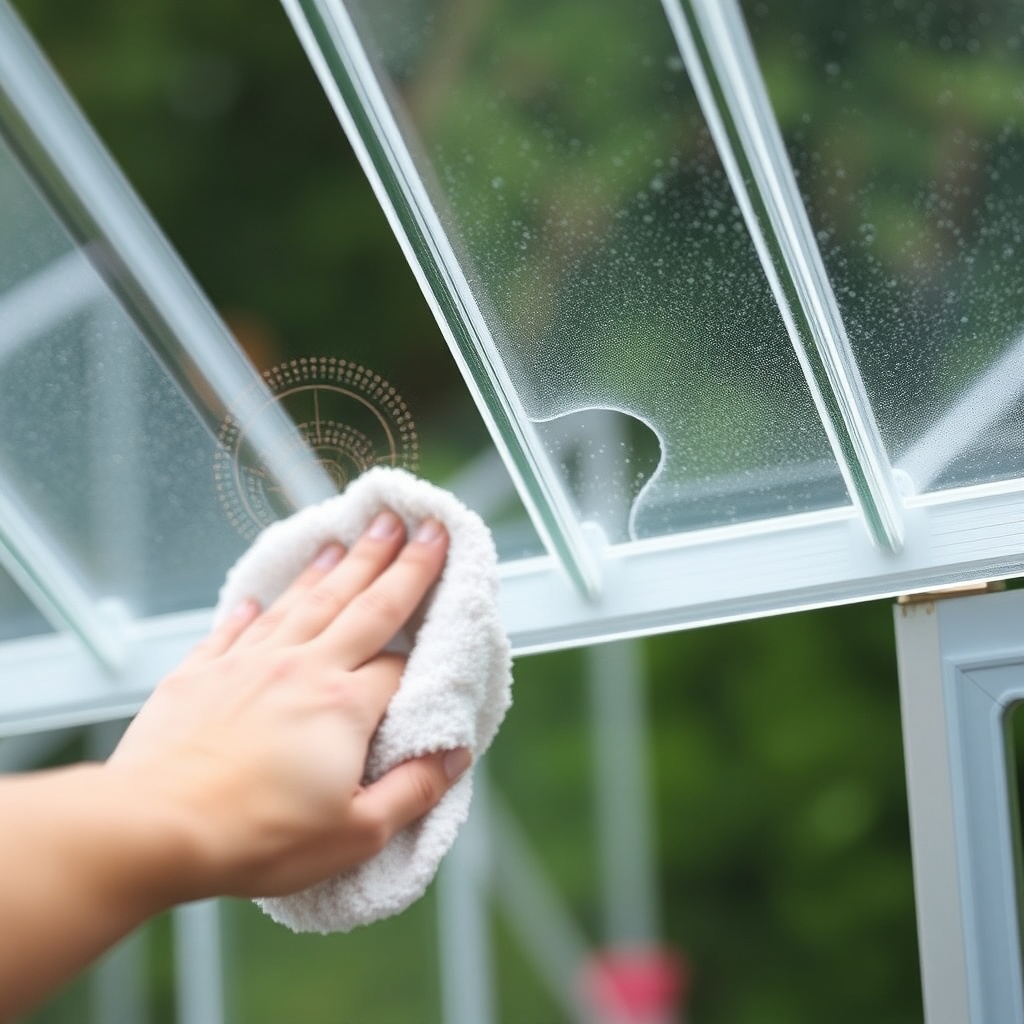
The twin-wall polycarbonate used in the Harmony 6×8 is designed with sealed edges to prevent moisture ingress. If condensation appears inside the panel itself, check the aluminum frame’s compression seals and ensure all panel end caps are intact. Re-sealing with a silicone-based greenhouse caulk around the panel edges can often resolve this. For severe cases, replacement panels may be necessary—costing roughly £35–£50 per panel from UK suppliers. Proper ventilation, as discussed in this guide on roof sliding windows, helps regulate internal humidity and reduces condensation buildup.
How to Check Panel Seals
- Examine the rubber gasket along the aluminum frame channels for cracks or gaps.
- Ensure the polycarbonate panels are fully seated in the frame channels—not pinched or misaligned.
- Verify that the small ventilation vents at the roof ridge are open to allow moist air to escape.
If you notice condensation only on the inside surface of the panels rather than between them, this is a humidity issue. Increasing airflow with the roof sliding windows or adding a small fan can clear this quickly.
What Should I Do If Polycarbonate Panels Are Cracking or Splitting?
Cracking or splitting of the polycarbonate sheets on a Palram Canopia Harmony 6×8 often stems from overtightening screws during assembly or thermal expansion stress. Polycarbonate expands and contracts with temperature changes—up to 3 mm per meter in extreme conditions. If panels are secured too rigidly, they cannot move, leading to stress fractures around fastener holes.
To address existing cracks, first identify the affected panel. Remove it carefully by loosening the retaining screws—never pry it out. Apply a polycarbonate-compatible adhesive or repair tape to seal small cracks. Replace severely split panels. When reinstalling, leave a 1–2 mm gap around all edges and drill fastener holes 2 mm larger than the screw diameter to allow for movement. Use only the provided rubber washers and do not overtighten; hand-tighten screws until the washer just compresses slightly.
For a detailed breakdown of proper panel handling during assembly, consult the step-by-step assembly guide and time estimate. Avoid standing on panels or placing heavy objects on the roof during construction, as this can introduce micro-fractures that worsen over time.
Preventing Cracks in the Future
- Pre-drill all holes with a drill bit slightly larger than the screw shaft.
- Never use power tools for the final tightening of polycarbonate fasteners.
- Apply a thin bead of clear silicone sealant around each washer before insertion for added flexibility.
Why Is My Greenhoue Leaking Around the Door or Window Frames?
Water leaks around the door or window frames of a Palram Canopia Harmony 6×8 are commonly due to misalignment or worn weatherstripping. The sliding door and roof window rely on precise tracking and compression seals to keep water out. Over time, UV exposure can degrade the rubber seals, while shifting ground or settling can cause frame distortion.
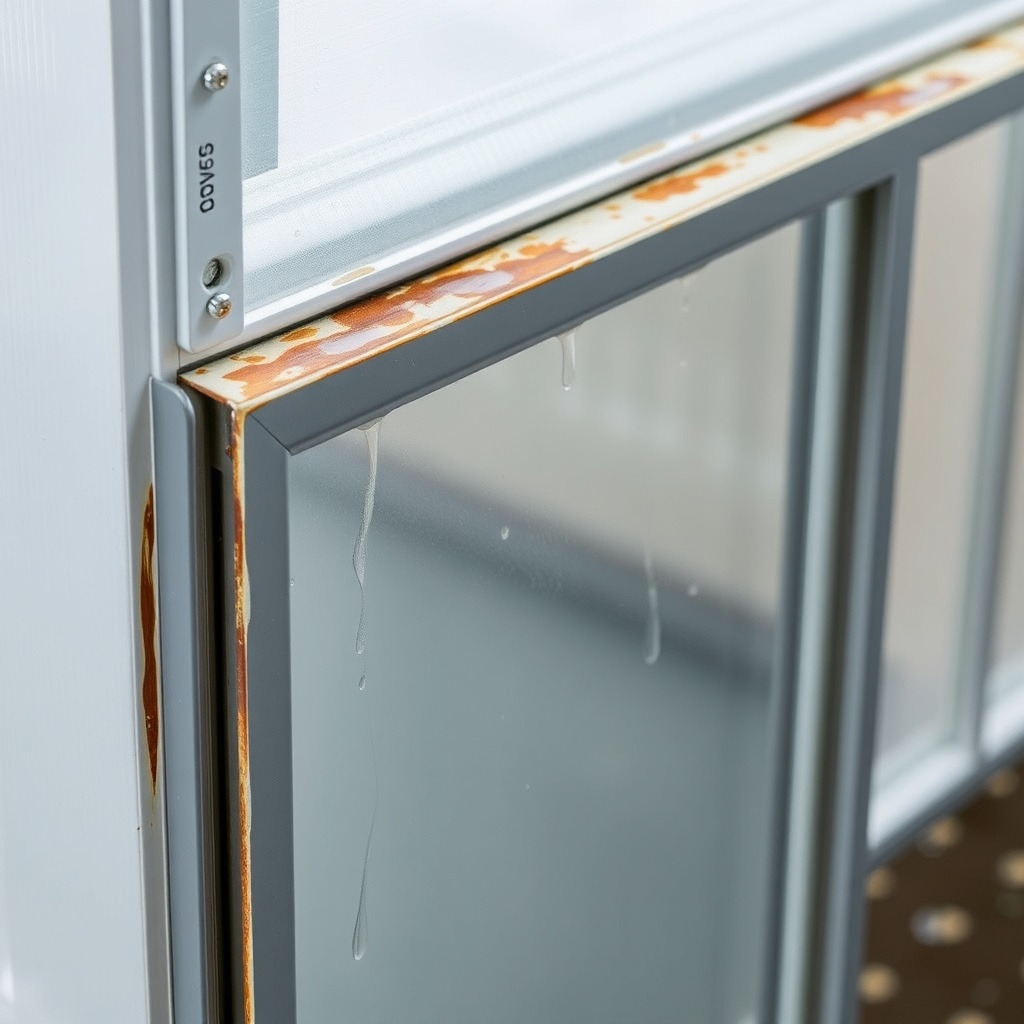
Start by inspecting the door’s bottom track for debris or warping. Clean it thoroughly and check that the door glides smoothly. If water enters through the door’s top, the overhead aluminum header may be misaligned—loosen the bolts, adjust the header until level, and retighten. For roof windows, ensure the hinge pins are fully seated and that the rubber seal around the window perimeter is intact. Replace any brittle or cracked weatherstripping with standard greenhouse gasket material available for about £8–£12 per metre.
Leaks can also stem from improper panel overlap at the roof’s peak. The Harmony 6×8 uses ridge caps that must overlap the panels by at least 10 mm on each side. If this overlap is insufficient, rainwater can be driven under the cap by wind. Re-seat the ridge cap and seal the overlap with a clear outdoor sealant.
Common Leak Locations and Fixes
| Location | Typical Cause | Fix | Severity | Average Cost (GBP) |
|---|---|---|---|---|
| Sliding door bottom | Debris or warped track | Clean track; adjust roller height | Low | £0 |
| Sliding door top | Header misalignment | Re-level header frame | Medium | £0–£15 |
| Roof window | Worn seal or hinge pin | Replace weatherstrip; seat pins | Medium | £8–£12 |
| Ridge cap | Insufficient panel overlap | Re-position cap; seal with caulk | Medium | £5–£10 |
| Panel frame joint | Loose screw or missing gasket | Tighten screw; reinstall gasket | Low | £0–£5 |
How Can I Reduce Glare and UV Damage on My Plants?
Polycarbonate panels in the Palram Canopia Harmony 6×8 transmit roughly 80–85% of light, which is excellent for plant growth but can create intense spots of direct sunlight on hot days. This glare can burn tender seedlings and cause overheating. Additionally, UV radiation, while partially blocked by the polycarbonate’s coating, can still degrade plastic components over time.
To diffuse light more evenly, apply a shade cloth to the interior roof—choose one with 40–50% shading density for most vegetables. Alternatively, use a greenhouse shading paint that washes off easily in autumn. For permanent reduction, consider upgrading to polycarbonate panels with a matte or prismatic surface that scatters light naturally. These are available as special orders for the Harmony 6×8 at roughly £45–£60 per panel.
Position sensitive plants—like lettuce or ferns—on the north-facing side of the greenhouse (in the Northern Hemisphere) or under taller crops for natural shading. For a deeper understanding of how polycarbonate performance compares to glass for light transmission and UV filtering, read the greenhouse buying guide comparing polycarbonate and glass.
UV Coating Care
The panels have a UV-resistant coating on one side. Ensure this side faces outward during installation. Abrasive cleaning will strip this coating, so use only soft cloths and mild soapy water. Never use solvents or pressure washers.
Why Do My Panels Look Yellow or Cloudy After a Few Months?
Yellowing or clouding of polycarbonate panels on a Palram Canopia Harmony 6×8 is almost always a sign of UV degradation or chemical damage. High-quality twin-wall polycarbonate includes a UV-resistant co-extrusion on the outer surface. If this layer is compromised, the plastic turns yellow and brittle within 6–12 months. Smoke or haze inside the panels often indicates moisture trapped between layers from failed end caps.
Inspect the outer surface for scratches or chalkiness—this suggests the UV layer has worn off. Chemical damage can occur from exposure to solvents, cleaning agents, or even certain sealants. Never use acetone, ammonia, or alcohol-based cleaners on the panels. Stick to pH-neutral detergents or specialised polycarbonate cleaners.
To restore clarity, clean both sides of the panel thoroughly with warm water and a soft sponge. If the cloudiness is internal, remove the panel, dry the internal channels with a compressed air canister, and reseal the ends. Replacement panels are available from this resource on polycarbonate insulation properties, where you’ll find compatible panel specifications.
Prevention Tips
- Clean panels only once per season with a mild dish soap solution.
- Apply a UV-protectant spray designed for plastics annually.
- Store spare panels in a dark, cool location away from direct sunlight.
What Owners Say
Common feedback from Palram Canopia Harmony 6×8 owners centres on the glazing’s durability once properly installed, but several frustrations appear repeatedly. Many report that the polycarbonate panels are tricky to align without a helper, leading to minor leaks or gaps. Others praise the material’s insulation value—keeping temperatures 3–5°C warmer than glass in spring and autumn.
One owner from Cornwall noted: “After resealing the roof window, my Harmony 6×8 has been bone dry through two winters.” A gardener in Scotland mentioned that adding a small electric heater resolved condensation issues entirely. Conversely, a buyer from Kent complained about a single cracked panel delivered with the kit, though they replaced it under warranty within two weeks.
Most owners agree that the greenhouse performs well when installation instructions are followed precisely. If you’re planning to add automation, such as setting up an automatic watering system, ensure the glazing is fully sealed first to avoid water damage to electrical components.
Frequently Asked Questions
Can I walk on the polycarbonate panels of the Harmony 6×8?
No. Twin-wall polycarbonate is not designed to support weight. Walking on the panels will cause cracking or collapse. Use a roof ladder or work from a stepladder placed on the ground for maintenance.
What is the warranty on the polycarbonate glazing?
Palram Canopia offers a 10-year limited warranty against manufacturing defects and UV degradation for the polycarbonate panels. This does not cover damage from improper installation, severe weather, or chemical exposure.
How do I clean the panels without scratching them?
Use a soft microfiber cloth or sponge with lukewarm water and a few drops of mild dish soap. Rinse thoroughly with a garden hose. Never use abrasive pads, brushes, or pressure washers, as these can scratch the UV coating.
Will adding internal insulation reduce light levels?
Yes, but the reduction is minimal—typically 5–10%. For colder climates, the trade-off in heat retention often outweighs the light loss. Consider using bubble wrap insulation on the interior frame for an extra thermal barrier, but remove it in spring to maximise light.
Can I replace a single polycarbonate panel, or must I buy a set?
Single replacement panels are available from greenhouse parts suppliers and sometimes directly from Palram. Measure your panel’s dimensions and fitment style before ordering. Expect to pay around £35–£55 per replacement panel including postage within the UK.
Does the greenhouse glazing require special sealant for extreme temperatures?
For winter heating, use silicone-based sealants rated to -30°C. Avoid standard acrylic caulk, which can crack in freezing conditions. If you plan to heat the greenhouse during winter, review the heating options guide for the Harmony 6×8 to prevent heat loss through gaps.